Paediatric Flexible Flatfeet: Treatment perspectives in clinical practice
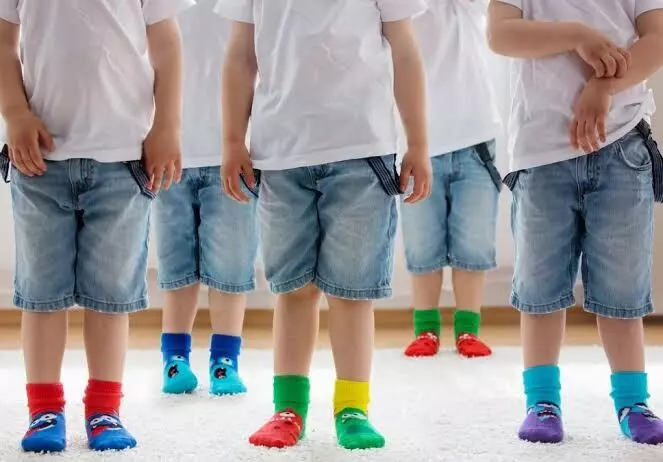


Paediatric flexible flatfoot (PFF), though common, lacks universally accepted diagnostic and management protocols. There is ongoing debate regarding whether it represents a pathological condition or a physiological variant. Whilst many children remain asymptomatic, evidence suggests that even those without overt symptoms may experience reduced functional capacity.
The narrative review by Saraswati Viswanathan et al summarises the current understanding of paediatric flexible flatfoot, focusing on factors influencing arch development and the various clinical approaches used in managing symptomatic children. The article has been published in ‘Indian Journal of Orthopaedics’.
Many treatment strategies have been described in literature for symptomatic children, including nonoperative measures such as orthotic support and functional re-education, as well as surgical procedures such as lateral column lengthening and subtalar arthroereisis (SA). Obesity has been identified as a significant contributing factor to paediatric flexible flatfoot. With the expected rise in childhood obesity, the prevalence of flatfoot is likely to increase, highlighting the need for clear and standardised management guidelines.
The authors concluded – “Paediatric flexible flatfoot continues to be a topic of debate in paediatric orthopaedics, with no established consensus regarding its definition, clinical significance, or optimal management. With the global increase in childhood and infantile obesity, the prevalence of flexible flatfoot is expected to rise correspondingly. Several studies have consistently demonstrated a positive association between a higher body mass index (BMI) and early adoption of closed footwear with an increased incidence of flexible flatfoot. Awareness regarding these modifiable factors should be emphasised amongst paediatricians, parents, and primary caregivers.
In symptomatic cases, management should focus on identifying the underlying source of symptoms, promoting overall physical activity and targeted functional re-education before considering other interventions. Although orthotic devices are not often prescribed for their lack of evidence, their use is sometimes driven more by the desire to “do something” rather than evidence-based necessity. Surgical intervention, particularly subtalar arthroereisis (SA), has shown promising short-term outcomes in recent literature; however, it should be undertaken with caution, ensuring appropriate patient selection and long-term follow-up to validate its safety and efficacy.”
For further details on the article refer to:
Paediatric Flexible Flatfeet: A Narrative Review of Conflicting Perspectives in Clinical Practice
Saraswati Viswanathan et al
Indian Journal of Orthopaedics (2026) 60:846–853
https://doi.org/10.1007/s43465-026-01769-3