Stemless anatomic total Shoulder Arthroplasty Matches Stemmed Implant Outcomes: study
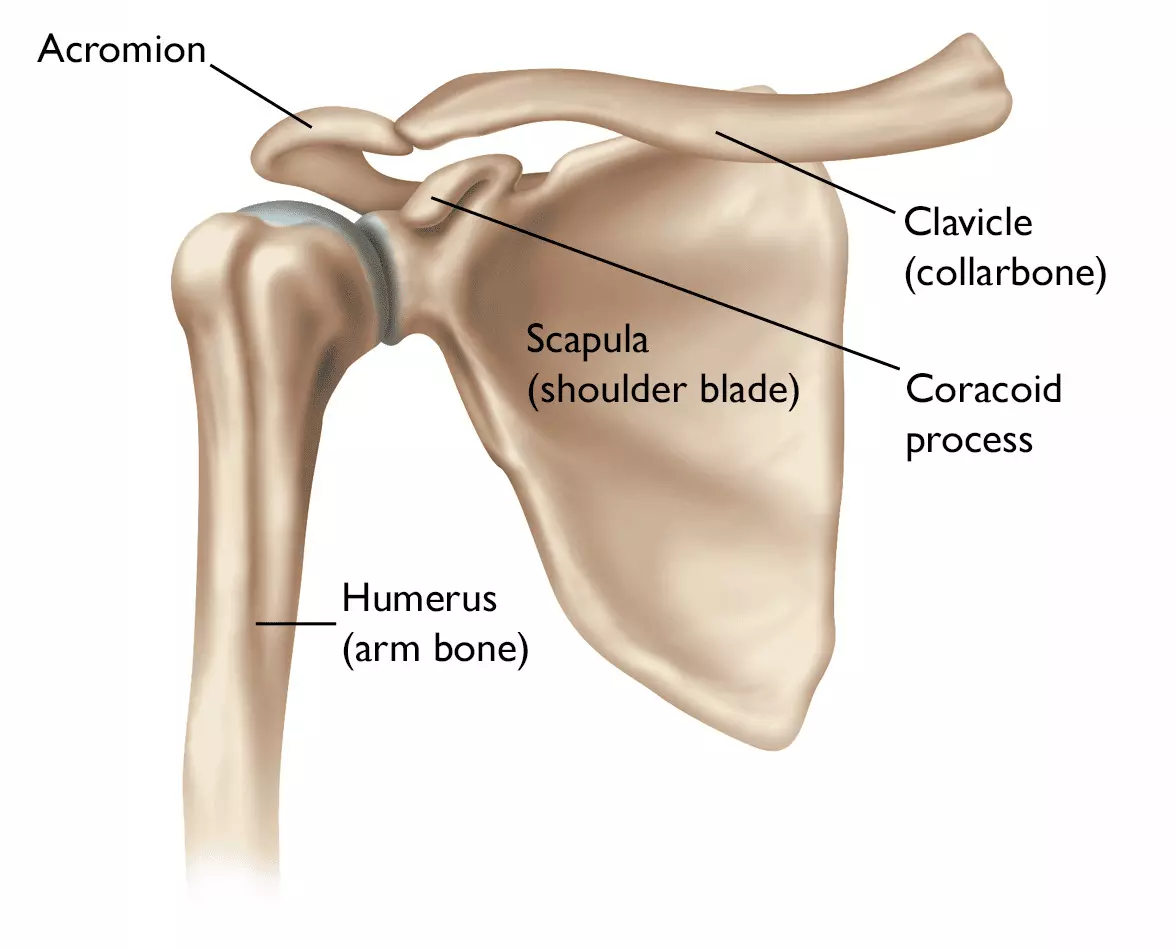


Anatomic total shoulder arthroplasty (TSA) has evolved from Neer's original stemmed monobloc design toward stemless resurfacing systems aimed at preserving humeral bone stock, particularly in younger patients. While stemless TSA offers theoretical advantages including reduced surgical trauma and shorter operative times, concerns persist regarding component malalignment and stem-associated complications. This retrospective study compared clinical and radiographic outcomes of a modern stemless implant (Global ICON™) versus an established stemmed implant (Global Unite™) at a single specialized orthopedic hospital, with a minimum 2-year follow-up. The article has been published in “European Journal of Orthopaedic Surgery & Traumatology.”
Forty-eight patients were included: 22 treated with the stemless system and 26 with the stemmed system. Implant allocation was determined by an institutional transition from stemmed to stemless components. Mean follow-up was 44.5±11.8 months (stemless) and 67.2±8.2 months (stemmed; p<0.001). The primary outcome, Constant-Murley Shoulder Score, showed no significant difference between groups (77.0±17.1 stemless vs. 80.1±8.2 stemmed), with a mean difference of −3.16 points; however, the lower bound of the 95% confidence interval (−11.29 to 4.96) slightly exceeded the predefined 10-point non-inferiority margin, so formal non-inferiority could not be strictly established. Secondary outcome measures (SST, ASES, OSS, SF-36) and patient satisfaction were comparable between groups. Postoperative complications occurred in 13.6% of the stemless group versus 0% of the stemmed group (not statistically significant), including subscapularis tendon rupture, postoperative stiffness, and os acromiale-related pain, all managed surgically without revision. Radiolucent lines around the humeral component were absent in the stemless group but present in 69.2% of stemmed implants, though this difference may partly reflect the longer stemmed follow-up. Operative time was significantly shorter for the stemless implant (74.2±14.6 vs. 81.7±15.5 minutes; p=0.046).
The authors concluded – “The findings support stemless anatomic TSA as providing clinical outcomes comparable to stemmed implants, with potential advantages in bone preservation and revision surgery, though baseline group differences and limited sample size warrant cautious interpretation.”
For further details on the article refer to:
Stemless versus stemmed anatomic total shoulder arthroplasty: minimum 2- year follow-up of the global ICON and global unite systems
Roman Frederik Karkosch et al
European Journal of Orthopaedic Surgery & Traumatology (2026) 36:255
https://doi.org/10.1007/s00590-026-04796-w