
Supervised Physical Therapy Provides Greater Pain Relief After ACL Surgery: JAMA
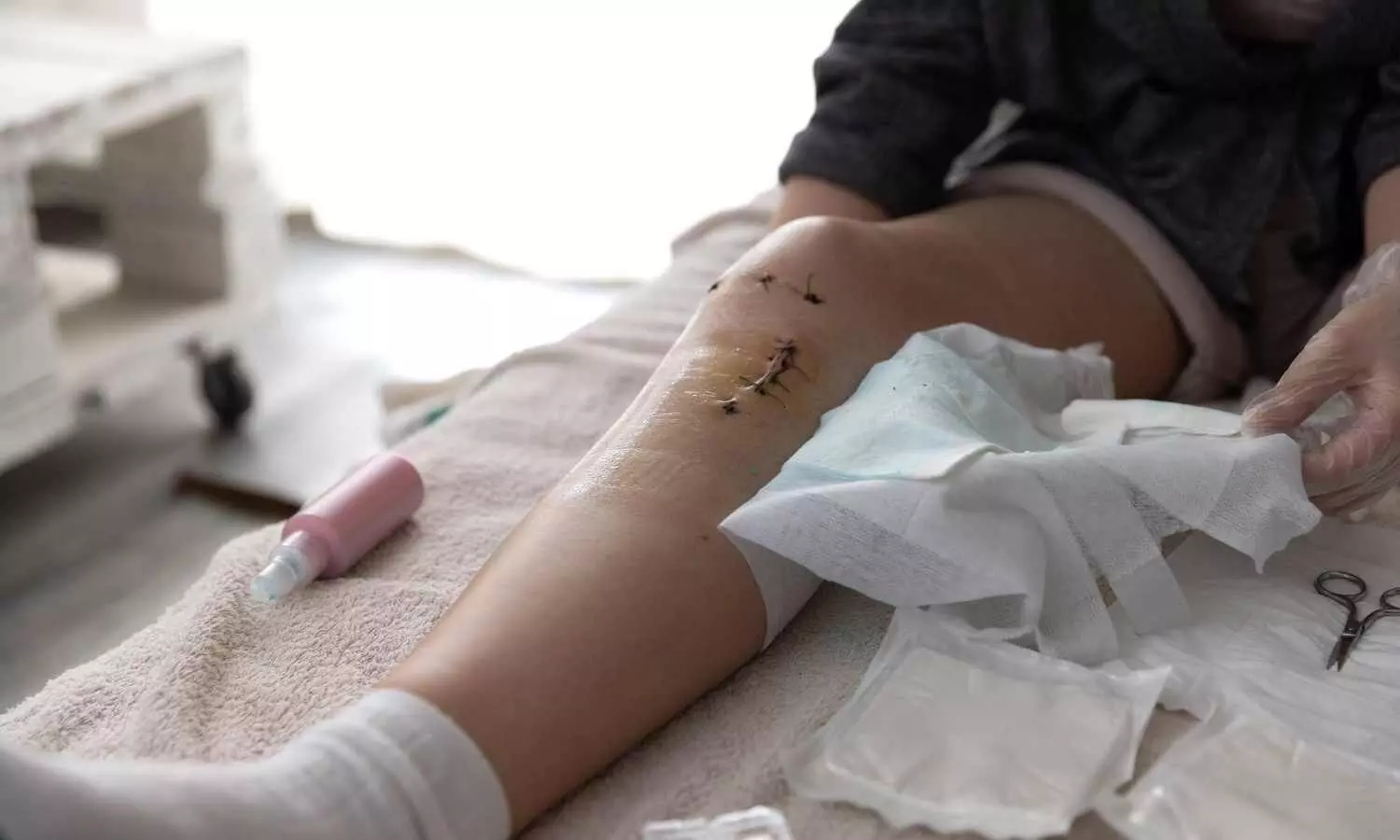


Australia: A randomized trial has found that supervised physical therapy was more effective than self-directed rehabilitation for young adults with persistent knee pain at least 9 months after ACL surgery.
Among 184 patients, KOOS scores improved by 14.1 points with supervised therapy versus 9.4 points with self-managed rehabilitation after 4 months, a between-group difference of 4.8 points. Although the difference narrowed by 12 months, a greater proportion of patients receiving supervised therapy achieved clinically meaningful pain relief.
The study, published in Annals of Internal Medicine, was led by Adam G. Culvenor, PhD, La Trobe Sport and Exercise Medicine Research Centre, La Trobe University, Bundoora, Victoria, Australia, and colleagues. The researchers investigated whether structured physiotherapist-supervised exercise combined with education could provide greater benefits than education and self-directed exercise in young adults experiencing ongoing knee problems following anterior cruciate ligament reconstruction (ACLR).
Persistent symptoms and early osteoarthritis are common after ACLR, creating a need for effective rehabilitation strategies. The community-based parallel-group trial enrolled 184 adults aged 18 to 40 years who continued to experience knee problems 9 to 36 months after surgery. Participants were randomly assigned to either a 4-month supervised exercise and education program (SUPER; n=92) or a single physiotherapist-led education session with self-directed exercise resources (n=92).
The primary outcome was change in the composite Knee injury and Osteoarthritis Outcome Score (KOOS4), which ranges from 0 to 100, with higher scores indicating better outcomes. Muscle strength, perceived overall improvement, and MRI measures of cartilage were also assessed at 4 and 12 months.
The findings showed:
- At 4 months, KOOS4 improved by 14.1 points with supervised therapy compared with 9.4 points with self-directed rehabilitation, producing an adjusted between-group difference of 4.8 points.
- Supervised therapy produced greater gains in thigh muscle strength than the control intervention.
- More participants reported meaningful improvement in pain with supervised therapy, with 73% reporting success compared with 40% in the control group.
- By 12 months, the difference between groups had decreased as participants receiving self-directed rehabilitation continued to improve, while gains from supervised therapy were maintained.
- MRI assessments showed no significant differences between groups in cartilage thickness or composition at either follow-up point.
The researchers noted that the trial was unblinded, meaning participants were aware of their assigned intervention, which could have influenced patient-reported outcomes.
The authors concluded that physiotherapist-supervised exercise combined with education can improve patient-reported knee outcomes and muscle strength in young adults with persistent symptoms after ACLR. However, the diminishing difference between groups at 12 months suggests that longer-term benefits of supervised rehabilitation require further evaluation.
Reference:
Adam G. Culvenor, Andrea M. Bruder, Thomas J. West, et al. Exercise Therapy and Education for Young Adults With Persistent Knee Problems After Anterior Cruciate Ligament Reconstruction: A Randomized Clinical Trial. Ann Intern Med. [Epub 29 September 2026]. doi:10.7326/ANNALS-26-02460

Next Story