
Dextrose Gel Exhibits No Neurocognitive Benefit for Prevention of Neonatal Hypoglycemia: JAMA
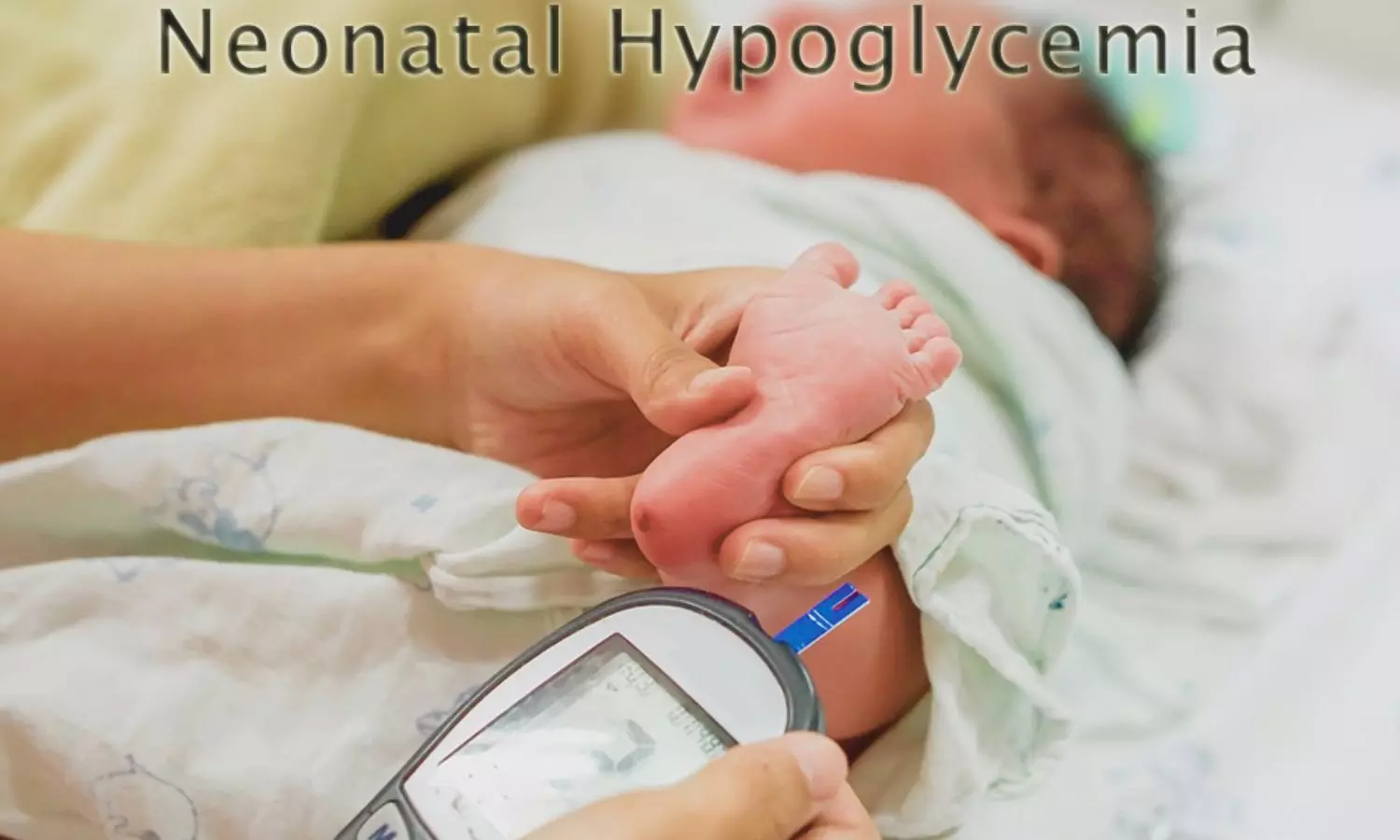


New Zealand: It has been found in a follow-up study that administering a single dose of dextrose gel to prevent neonatal transitional hypoglycemia had little to no effect on the risk of neurocognitive impairment at early school age when compared with placebo. The study also suggested a potential association with adverse effects on psychological well-being. Based on these findings, the current evidence does not support the routine use of prophylactic dextrose gel for the prevention of neonatal transitional hypoglycemia.
The findings were published in JAMA Pediatrics and were conducted by Jane E. Harding from the Liggins Institute, University of Auckland, Auckland, New Zealand, and colleagues.
Neonatal hypoglycemia is common among at-risk newborns, and oral dextrose gel has been proposed as a simple, noninvasive preventive treatment. However, its long-term effects on child neurodevelopment remain uncertain. This study evaluated whether prophylactic dextrose gel given shortly after birth improves neurocognitive outcomes at early school age.
The follow-up included children from the multicenter hPOD randomized, double-blind, placebo-controlled trial conducted across nine hospitals in New Zealand. Eligible infants were born at 35 weeks' gestation or later, weighed at least 2.2 kg, and had one or more risk factors for transitional neonatal hypoglycemia. They received either a single buccal dose of dextrose gel (0.2 g/kg) or placebo at 1 hour after birth, with follow-up assessments performed at 6 to 7 years of age.
Key findings
- A total of 532 children from the dextrose gel group and 535 children from the placebo group completed follow-up assessments at 6 to 7 years of age.
- The proportion of children with neurocognitive impairment was similar between the two groups (59% with dextrose gel vs 57% with placebo), indicating no significant long-term neurocognitive benefit.
- Children who received prophylactic dextrose gel were more likely to experience emotional and behavioral difficulties than those given placebo (24% vs 18%).
- Low psychosocial functioning was also more common among children in the dextrose gel group (17% vs 12%).
- No meaningful differences were observed between groups for other outcomes, including numeracy, visual perception, physical functioning, or overweight and obesity.
The researchers acknowledged several limitations, including incomplete follow-up of eligible children, which may have introduced bias, and the secondary nature of the analysis, meaning the findings on psychological well-being should be interpreted cautiously.
The researchers concluded that a single prophylactic dose of dextrose gel did not reduce the risk of neurocognitive impairment at 6 to 7 years of age and may be associated with poorer psychological well-being. The findings do not support the routine use of prophylactic dextrose gel to prevent neonatal transitional hypoglycemia, and further studies are needed to confirm its long-term effects.
Reference:
Harding JE, Alsweiler JM, Brown GTL, et al. Prophylactic Dextrose Gel for Neonatal Hypoglycemia and Neurocognitive Function at 6 to 7 Years of Age: A Secondary Analysis of a Randomized Clinical Trial. JAMA Pediatr. Published online June 29, 2026. doi:10.1001/jamapediatrics.2026.2486

Next Story