
GLP-1s linked to nutritional deficiencies in children
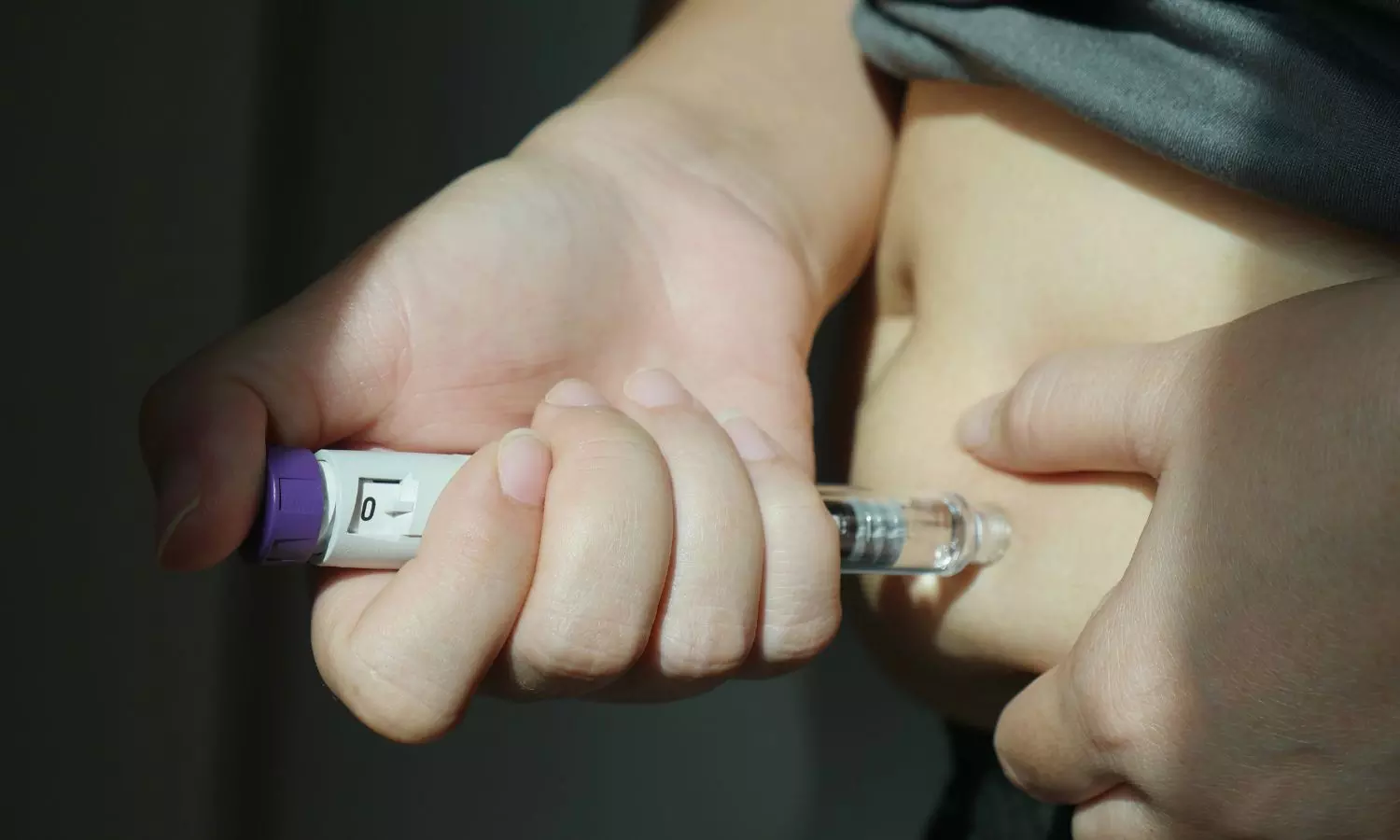


Children prescribed GLP-1 medications for weight loss, prediabetes, or type 2 diabetes are at risk for nutritional deficiencies - diagnosed in nearly one in six patients (16.8%) within the first year - according to a new study published in the journal Childhood Obesity. Vitamin D deficiency was the most common, identified in 12.4% of children within one year of GLP-1 treatment.
“As appropriate pediatric use of GLP-1s becomes more widespread, we need to understand the risks during periods of rapid growth and pubertal development,” said senior author Justin Ryder, PhD, Vice Chair of Research for the Department of Surgery at Ann & Robert H. Lurie Children's Hospital of Chicago, and Associate Professor of Surgery and Pediatrics at Northwestern University Feinberg School of Medicine. “Nutrients such as vitamin D, iron and calcium are of particular concern during adolescence, when deficiencies may have lasting implications for skeletal health and overall development.”
“Nutritional support needs to play a critical role once treatment with a GLP-1 medication is initiated,” he added. “In our study, however, we found that only 5% of patients received nutritional counseling within 30 days of GLP-1 treatment and less than 25% received nutritional counseling within 6 months.”
Dr. Ryder and colleagues used national administrative claims data from 2017 to 2022 covering over 100 million patients to identify 2,031 GLP-1 users aged 10–17 years who met continuous enrollment criteria and had no prior diagnosis of nutritional deficiency. In this sample, the most prescribed GLP-1s were liraglutide (78.6%), dulaglutide (10.4%), and semaglutide (9.1%).
“We hope that our study findings bring much needed recognition to the importance of proactive nutritional management when GLP-1s are prescribed to children, as opposed to waiting until a nutritional deficiency is diagnosed,” said Dr. Ryder. “Knowing the risks, we are in a much better position to prevent harm to children treated with GLP-1s during a pivotal period in their lives.”
Ann & Robert H. Lurie Children’s Hospital of Chicago is a nonprofit organization committed to providing access to exceptional care for every child. It is the only independent, research-driven children’s hospital in Illinois and one of less than 35 nationally. This is where the top doctors go to train, practice pediatric medicine, teach, advocate, research and stay up to date on the latest treatments. Exclusively focused on children, all Lurie Children’s resources are devoted to serving their needs. Research at Lurie Children’s is conducted through Stanley Manne Children’s Research Institute, which is focused on improving child health, transforming pediatric medicine and ensuring healthier futures through the relentless pursuit of knowledge. Lurie Children’s is the pediatric training ground for Northwestern University Feinberg School of Medicine. It is ranked as one of the nation’s top children’s hospitals by U.S. News & World Report.
Reference: Kerr KW, Chang AT, Sulo S, Stutts JT, Panchalingam T, Ryder JR. Nutritional Deficiencies, Complications, and Nutrition Therapy/Counseling in Pediatric Patients Using GLP-1 Receptor Agonists. Childhood Obesity. 2026;0(0). doi:10.1177/21532176261486979
