
High-Dose Erythropoietin Does Not Improve Outcomes in Infants With HIE: JAMA
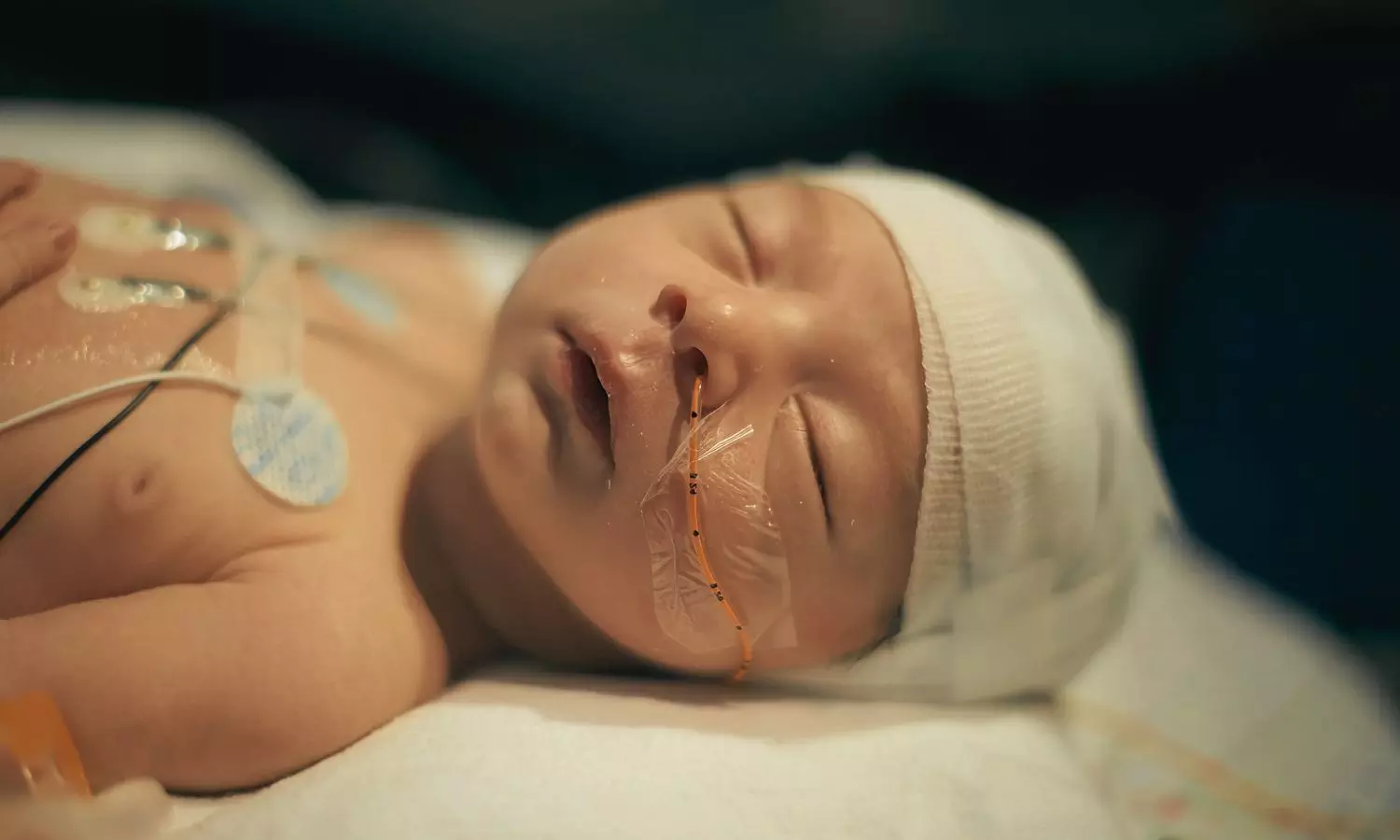


Australia: In infants with moderate or severe hypoxic-ischemic encephalopathy (HIE) receiving therapeutic hypothermia, high-dose erythropoietin (EPO) administered during the first week after birth did not reduce the risk of death or disability. The trial found no additional benefit of EPO over hypothermia alone, while no definite safety signal or evidence of harm was identified.
The findings come from the PAEAN randomized clinical trial, published in JAMA Pediatrics by Helen G. Liley, Mater Research Institute, University of Queensland, South Brisbane, Australia, and colleagues. The phase 3 study evaluated whether adding EPO to therapeutic hypothermia could improve survival and neurodevelopmental outcomes in newborns with moderate or severe HIE.
Therapeutic hypothermia is currently the standard treatment for eligible infants with HIE, but significant mortality and long-term neurological disability continue to occur. EPO has been investigated as a potential neuroprotective treatment because of its biological activity in the developing brain and its response to hypoxic conditions.
The double-blind, placebo-controlled trial was conducted across 24 neonatal intensive care units in Australia, New Zealand and Singapore. It enrolled infants born at 35 weeks’ gestation or later who were less than 23 hours old, had evidence of perinatal depression and moderate or severe HIE, and had started therapeutic hypothermia within six hours of birth. Participants were randomly assigned to intravenous EPO at 1,000 IU/kg for five doses during the first week or placebo.
The primary outcome was death or moderate to severe motor or cognitive disability assessed at two years of age using standardized neurological and developmental assessments.
Key findings:
- The trial included 313 infants, with 156 assigned to EPO and 157 to placebo.
- Death or moderate to severe disability occurred in 34.1% of infants receiving EPO versus 28.7% receiving placebo.
- EPO did not significantly reduce the primary outcome, with a relative risk of 1.19.
- Death occurred in 15.1% of the EPO group versus 12.1% of the placebo group.
- Cerebral palsy occurred in 18.3% and 17.3% of infants, respectively.
- Motor and cognitive outcomes were also not significantly different between the groups.
- No significant differences were observed in the assessed safety outcomes.
The researchers noted that the primary outcome rate in the placebo group was lower than expected, recruitment varied across sites, and the COVID-19 pandemic led to some missed follow-up assessments. However, sensitivity analyses suggested these factors were unlikely to change the results.
Overall, high-dose EPO provided no additional benefit over therapeutic hypothermia in reducing death or disability in infants with moderate or severe HIE. No definite safety concerns were identified, although small treatment effects cannot be excluded.
Reference:
Liley HG, Hunt RW, O’Connell RL, et al. Erythropoietin for Neonatal Hypoxic-Ischemic Encephalopathy: A Randomized Clinical Trial. JAMA Pediatr. Published online July 27, 2026. doi:10.1001/jamapediatrics.2026.3082

Next Story