
Medical Dialogues
  • Dermatology
Login Register
This site is intended for healthcare professionals only
Login Register
  • MD Brand Connect
  • Webinars
  • Vaccine Hub
  • MDTV
    • Breaking News
    • Medical News Today
    • Health News Today
    • Latest
    • Journal Club
    • Medico Legal Update
    • Latest Webinars
    • MD Shorts
    • Health Dialogues
  • Fact Check
  • Health Dialogues
Medical Dialogues
  • Medical News & Guidelines
      • Anesthesiology
      • Cardiology and CTVS
      • Critical Care
      • Dentistry
      • Dermatology
      • Diabetes and Endocrinology
      • ENT
      • Gastroenterology
      • Medicine
      • Nephrology
      • Neurology
      • Obstretics-Gynaecology
      • Oncology
      • Ophthalmology
      • Orthopaedics
      • Pediatrics-Neonatology
      • Psychiatry
      • Pulmonology
      • Radiology
      • Surgery
      • Urology
      • Laboratory Medicine
      • Diet
      • Nursing
      • Paramedical
      • Physiotherapy
  • Health news
      • Doctor News
      • Government Policies
      • Hospital & Diagnostics
      • International Health News
      • Medical Organization News
      • Medico Legal News
      • NBE News
      • NMC News
  • Fact Check
      • Bone Health Fact Check
      • Brain Health Fact Check
      • Cancer Related Fact Check
      • Child Care Fact Check
      • Dental and oral health fact check
      • Diabetes and metabolic health fact check
      • Diet and Nutrition Fact Check
      • Eye and ENT Care Fact Check
      • Fitness fact check
      • Gut health fact check
      • Heart health fact check
      • Kidney health fact check
      • Medical education fact check
      • Men's health fact check
      • Respiratory fact check
      • Skin and hair care fact check
      • Vaccine and Immunization fact check
      • Women's health fact check
  • AYUSH
    • Ayurveda
    • Homeopathy
    • Siddha
    • Unani
    • Yoga
  • State News
      • Andaman and Nicobar Islands
      • Andhra Pradesh
      • Arunachal Pradesh
      • Assam
      • Bihar
      • Chandigarh
      • Chattisgarh
      • Dadra and Nagar Haveli
      • Daman and Diu
      • Delhi
      • Goa
      • Gujarat
      • Haryana
      • Himachal Pradesh
      • Jammu & Kashmir
      • Jharkhand
      • Karnataka
      • Kerala
      • Ladakh
      • Lakshadweep
      • Madhya Pradesh
      • Maharashtra
      • Manipur
      • Meghalaya
      • Mizoram
      • Nagaland
      • Odisha
      • Puducherry
      • Punjab
      • Rajasthan
      • Sikkim
      • Tamil Nadu
      • Telangana
      • Tripura
      • Uttar Pradesh
      • Uttrakhand
      • West Bengal
  • Medical Education
      • Ayush Education News
      • Dentistry Education News
      • Medical Admission News
      • Medical Colleges News
      • Medical Courses News
      • Medical Universities News
      • Nursing education News
      • Paramedical Education News
      • Study Abroad
  • Industry
      • Health Investment News
      • Health Startup News
      • Medical Devices News
      • Pharma News
      • Pharmacy Education News
      • AI and healthcare
      • Industry Perspective
  • MDTV
      • Health Dialogues MDTV
      • Health News today MDTV
      • Latest Videos MDTV
      • Latest Webinars MDTV
      • MD shorts MDTV
      • Medical News Today MDTV
      • Medico Legal Update MDTV
      • Top Videos MDTV
      • Health Perspectives MDTV
      • Journal Club MDTV
      • Medical Dialogues Show
This site is intended for healthcare professionals only
LoginRegister
Medical Dialogues
LoginRegister
  • Home
  • Medical news & Guidelines
    • Anesthesiology
    • Cardiology and CTVS
    • Critical Care
    • Dentistry
    • Dermatology
    • Diabetes and Endocrinology
    • ENT
    • Gastroenterology
    • Medicine
    • Nephrology
    • Neurology
    • Obstretics-Gynaecology
    • Oncology
    • Ophthalmology
    • Orthopaedics
    • Pediatrics-Neonatology
    • Psychiatry
    • Pulmonology
    • Radiology
    • Surgery
    • Urology
    • Laboratory Medicine
    • Diet
    • Nursing
    • Paramedical
    • Physiotherapy
  • Health news
    • Doctor News
    • Government Policies
    • Hospital & Diagnostics
    • International Health News
    • Medical Organization News
    • Medico Legal News
    • NBE News
    • NMC News
  • Fact Check
    • Bone Health Fact Check
    • Brain Health Fact Check
    • Cancer Related Fact Check
    • Child Care Fact Check
    • Dental and oral health fact check
    • Diabetes and metabolic health fact check
    • Diet and Nutrition Fact Check
    • Eye and ENT Care Fact Check
    • Fitness fact check
    • Gut health fact check
    • Heart health fact check
    • Kidney health fact check
    • Medical education fact check
    • Men's health fact check
    • Respiratory fact check
    • Skin and hair care fact check
    • Vaccine and Immunization fact check
    • Women's health fact check
  • AYUSH
    • Ayurveda
      • Ayurveda Giuidelines
      • Ayurveda News
      • Top Ayurveda News
    • Homeopathy
      • Homeopathy Guidelines
      • Homeopathy News
    • Siddha
      • Siddha Guidelines
      • Siddha News
    • Unani
      • Unani Guidelines
      • Unani News
    • Yoga
      • Yoga Guidelines
      • Yoga News
  • State News
    • Andaman and Nicobar Islands
    • Andhra Pradesh
    • Arunachal Pradesh
    • Assam
    • Bihar
    • Chandigarh
    • Chattisgarh
    • Dadra and Nagar Haveli
    • Daman and Diu
    • Delhi
    • Goa
    • Gujarat
    • Haryana
    • Himachal Pradesh
    • Jammu & Kashmir
    • Jharkhand
    • Karnataka
    • Kerala
    • Ladakh
    • Lakshadweep
    • Madhya Pradesh
    • Maharashtra
    • Manipur
    • Meghalaya
    • Mizoram
    • Nagaland
    • Odisha
    • Puducherry
    • Punjab
    • Rajasthan
    • Sikkim
    • Tamil Nadu
    • Telangana
    • Tripura
    • Uttar Pradesh
    • Uttrakhand
    • West Bengal
  • Medical Education
    • Ayush Education News
    • Dentistry Education News
    • Medical Admission News
    • Medical Colleges News
    • Medical Courses News
    • Medical Universities News
    • Nursing education News
    • Paramedical Education News
    • Study Abroad
  • Industry
    • Health Investment News
    • Health Startup News
    • Medical Devices News
    • Pharma News
      • CDSCO (Central Drugs Standard Control Organisation) News
    • Pharmacy Education News
    • AI and healthcare
    • Industry Perspective
  • Home
  • Pediatrics and Neonatology
  • Pediatrics and Neonatology News
  • Less sugar as a baby,...

Less sugar as a baby, fewer heart attacks as an adult, reveals research
Written By : Dr. Kamal Kant Kohli Published On 2026-03-27T06:45:13+05:30  |  Updated On 27 March 2026 11:02 AM IST
Less sugar as a baby, fewer heart attacks as an adult, reveals research
  • facebook
  • twitter
  • linkedin
  • whatsapp
  • Telegram
  • Email

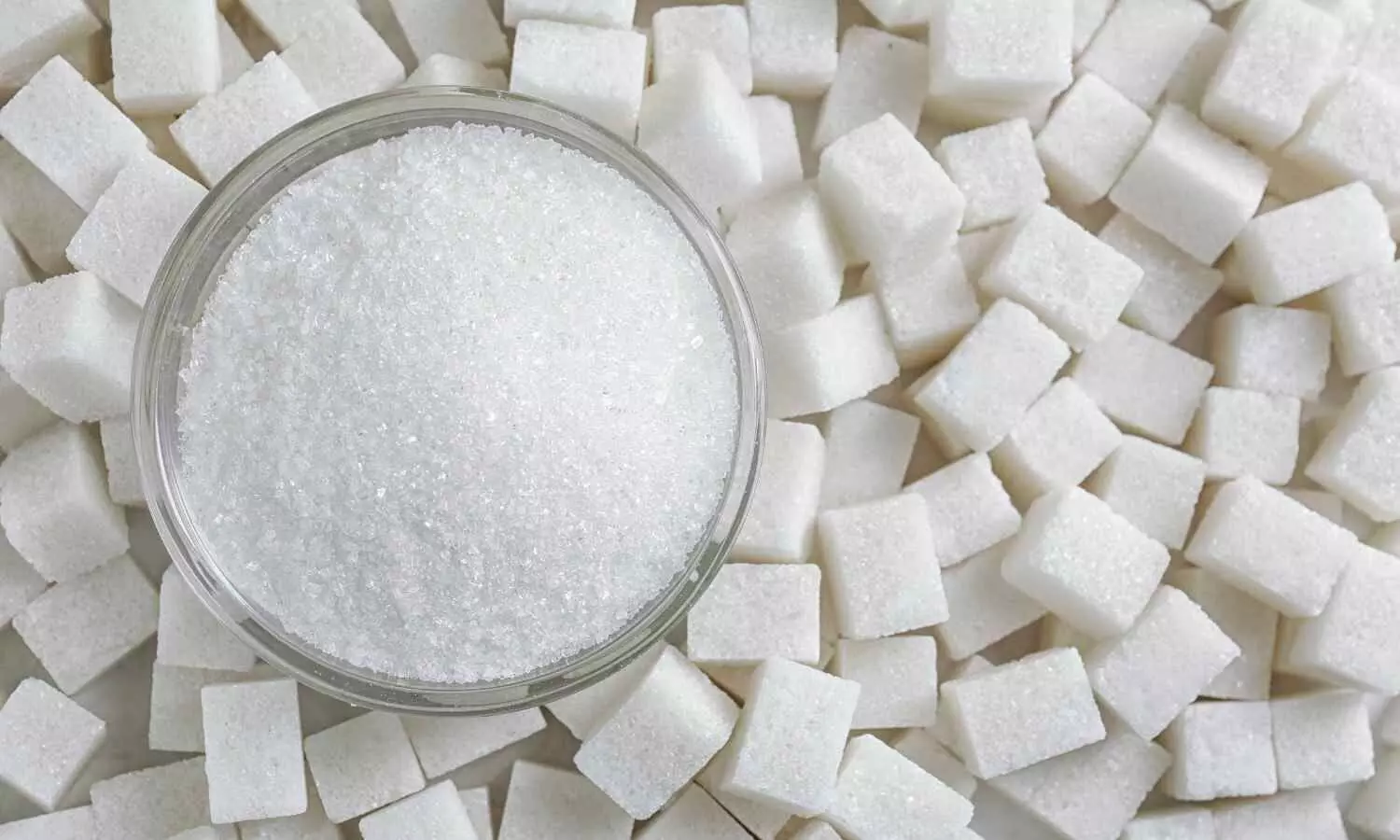
Limiting sugar consumption during early childhood may reduce the risk of serious heart problems later in life. A study published in The BMJ, based on data from the end of sugar rationing in the United Kingdom in 1953, found that people who consumed less sugar early on were less likely to develop conditions such as heart attack, heart failure, and stroke as adults.

The strongest protective effect, along with the greatest delay in the onset of heart disease -- was observed among individuals whose sugar intake was restricted from conception ("in utero") through about age 2.

Health experts have long suggested that the first 1000 days of life (from conception to around 2 years of age) represent a critical window when nutrition can influence long term health. Current guidelines recommend avoiding sugary drinks and ultra-processed foods (which often contain high amounts of sugar) as infants and toddlers begin eating solid foods.

A Natural Experiment Using UK Sugar Rationing

To explore whether limiting sugar during this early window affects future heart health, researchers took advantage of a unique historical event. Sugar rationing in the UK ended in September 1953, creating a natural comparison between children born before and after that policy change.

The analysis included 63,433 participants from the UK Biobank, with an average age of 55, who were born between October 1951 and March 1956 and had no prior history of heart disease. Of these, 40,063 were exposed to sugar rationing early in life, while 23,370 were not.

Researchers linked participants' health records to monitor rates of cardiovascular disease (CVD), heart attack, heart failure, irregular heart rhythm (atrial fibrillation), stroke, and death from cardiovascular causes. The analysis accounted for genetic, environmental, and lifestyle factors that could influence heart health. An additional comparison group of adults born outside the UK, who did not experience sugar rationing or similar policy shifts around 1953, was also included to strengthen the findings.

Lower Cardiovascular Risk and Delayed Onset

The study found that longer exposure to sugar rationing corresponded with steadily lower risks of cardiovascular disease in adulthood. Part of this benefit appeared to stem from lower rates of diabetes and high blood pressure among those exposed to rationing early in life.

Compared with people who were never exposed to rationing, individuals exposed in utero plus 1-2 years had a 20% lower risk of CVD overall. They also had reduced risks of heart attack (25%), heart failure (26%), atrial fibrillation (24%), stroke (31%), and cardiovascular death (27%).

In addition to lower risk, heart problems tended to develop later. Those exposed to sugar rationing before birth and in early childhood experienced delays in the onset of cardiovascular conditions of up to two and a half years compared with those who were not exposed.

Researchers also observed modest but meaningful improvements in measures of healthy heart function among individuals who experienced rationing.

Sugar Limits and Modern Dietary Guidance

During the rationing period, sugar allowances for the entire population, including pregnant women and children, were capped at less than 40 g per day -- and infants under age 2 were not allowed any added sugars. These limits align closely with today's dietary recommendations for young children.

Because this was an observational study, it cannot prove that lower sugar intake directly caused better heart outcomes. The researchers note several limitations, including the lack of detailed individual dietary records and the possibility of recall bias.

Even so, they emphasize that the large scale and careful design of the study allowed them to compare different periods of exposure and examine potential pathways connecting early sugar intake with later cardiovascular health.

References: Jiazhen Zheng, Zhen Zhou, Jinghan Huang, Qiang Tu, Haisheng Wu, Quan Yang, Peng Qiu, Wenbo Huang, Junchun Shen, Chuang Yang, Gregory Y H Lip. Exposure to sugar rationing in first 1000 days after conception and long term cardiovascular outcomes: natural experiment study. BMJ, 2025; 391: e083890 DOI: 10.1136/bmj-2024-083890

The BMJheart attackheart failurestrokesugar
Source : The BMJ
Dr. Kamal Kant Kohli

Dr Kamal Kant Kohli-MBBS, DTCD- a chest specialist with more than 30 years of practice and a flair for writing clinical articles, Dr Kamal Kant Kohli joined Medical Dialogues as a Chief Editor of Medical News. Besides writing articles, as an editor, he proofreads and verifies all the medical content published on Medical Dialogues including those coming from journals, studies,medical conferences,guidelines etc. Email: drkohli@medicaldialogues.in. Contact no. 011-43720751

Show Full Article
Next Story

Editorial

Human Albumin in Cirrhosis & Liver Failure: Practice Review

Human Albumin in Cirrhosis & Liver Failure: Practice Review

Managing Seasonal & Perennial Allergic Rhinitis in India: Why Nasal Congestion Calls for Combination Therapy

Managing Seasonal & Perennial Allergic Rhinitis in India: Why Nasal Congestion Calls for Combination...

New Infection Prevention and Control Guidelines Emphasize Surveillance, Antimicrobial Stewardship, and ICU-Focused Infection Control

New Infection Prevention and Control Guidelines Emphasize Surveillance, Antimicrobial Stewardship,...

Intravenous (IV) Human Albumin in Critical Care: When, Why & Which?

Intravenous (IV) Human Albumin in Critical Care: When, Why & Which?

Tirzepatide for Obesity: Highlights from the SURMOUNT-1 Trial

Tirzepatide for Obesity: Highlights from the SURMOUNT-1 Trial

View All

Journal Club Today

Study Reveals Screen Time Beyond Six Hours Tied to Increased Cardiovascular Risk

Study Reveals Screen Time Beyond Six Hours Tied to Increased Cardiovascular Risk

View All

Health News Today

Health Bulletin 26/March/2026

Health Bulletin 26/March/2026

View All
© 2022 All Rights Reserved.
Powered By: Hocalwire
X
We use cookies for analytics, advertising and to improve our site. You agree to our use of cookies by continuing to use our site. To know more, see our Cookie Policy and Cookie Settings.Ok