
Perinatal Chikungunya Infection Linked to Severe Neonatal Neurologic Complications: Study
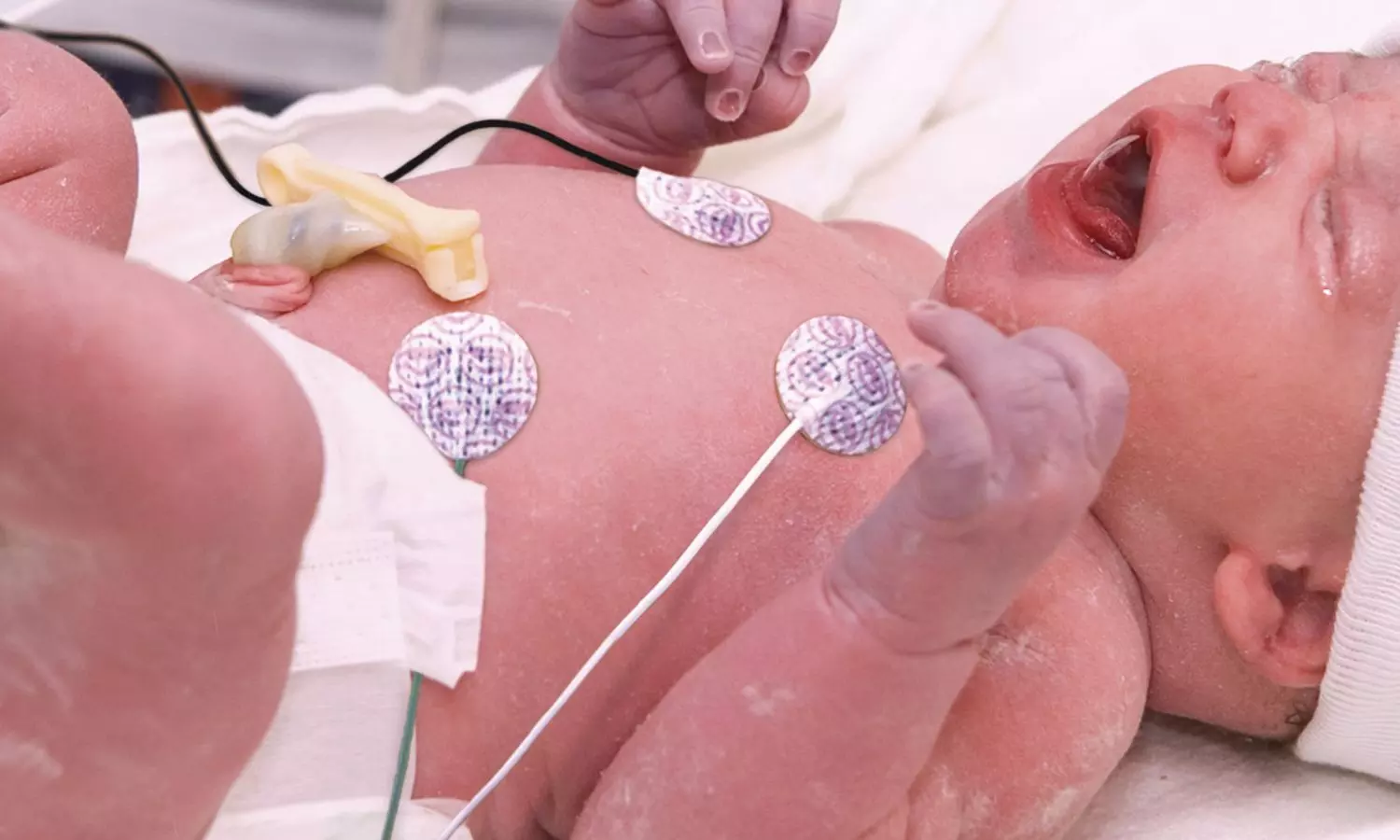


A recent study published in the journal of The Lancet eClinicalMedicine found that babies infected with the chikungunya virus (CHIKV) during labor and delivery face a high risk of developing serious neurologic complications in the neonatal period, which highlighted the need for increased monitoring and preventive strategies around the time of birth.
Chikungunya, is a mosquito-borne virus transmitted by Aedes species, which has re-emerged in recent years across tropical and subtropical regions. While its effects (fever and joint pain) in adults are relatively well documented, its impact on pregnancy and child development has remained less clear. This systematic review and meta-analysis compiled data from multiple countries suggests that vertical transmission (from mother to baby) may have serious neurological consequences.
This research reviewed 1,080 records across major scientific databases, and included 26 observational studies in the analysis. Of these, 9 contributed quantitative data suitable for meta-analysis. The findings reveal that nearly 48% of newborns with confirmed vertical CHIKV infection developed acute neurological symptoms within the first 28 days of life. However, the results showed significant variability across studies, which reflected the differences in diagnostic criteria and reporting methods.
This study found that children born to mothers infected with chikungunya during pregnancy faced a significantly higher risk of longer-term neurodevelopmental issues. The relative risk was estimated at 1.87, where the children were nearly twice as likely to experience developmental challenges when compared to those born to uninfected mothers. Most of the data pointed to infections occurring late in pregnancy or around the time of delivery as particularly concerning.
Also, many affected newborns appear healthy at birth but begin to show symptoms between 3 and 7 days later. In more severe cases, infants developed conditions such as encephalopathy, encephalitis, or seizures. Brain imaging frequently showed white-matter damage, a marker associated with long-term neurological impairment.
Despite these findings, this research cautions that most studies included were observational in nature, with varying definitions of outcomes and inconsistent follow-up periods. As a result, the overall certainty of the evidence was rated as low using established evaluation frameworks.
Overall, this study illuminate the need for elevated caution when managing pregnancies in regions where chikungunya is endemic or during outbreaks. Early identification of maternal infection could enable closer monitoring of newborns during the critical first week of life. The findings emphasize the importance of preventive measures, which included mosquito control and personal protection strategies for pregnant women.
Reference:
Zhou, L., Qin, C., Deng, J., Xing, Y., Chen, H., Lucey, D. R., & Liu, J. (2026). Neurological and neurodevelopmental outcomes in neonates and children after maternal chikungunya infection in pregnancy: a systematic review and meta-analysis. EClinicalMedicine, 94(103888),. https://doi.org/10.1016/j.eclinm.2026.103888

