
Medical Dialogues
  • Dermatology
Login Register
This site is intended for healthcare professionals only
Login Register
  • MD Brand Connect
  • Webinars
  • Vaccine Hub
  • MDTV
    • Breaking News
    • Medical News Today
    • Health News Today
    • Latest
    • Journal Club
    • Medico Legal Update
    • Latest Webinars
    • MD Shorts
    • Health Dialogues
  • Fact Check
  • Health Dialogues
Medical Dialogues
  • Medical News & Guidelines
      • Anesthesiology
      • Cardiology and CTVS
      • Critical Care
      • Dentistry
      • Dermatology
      • Diabetes and Endocrinology
      • ENT
      • Gastroenterology
      • Medicine
      • Nephrology
      • Neurology
      • Obstretics-Gynaecology
      • Oncology
      • Ophthalmology
      • Orthopaedics
      • Pediatrics-Neonatology
      • Psychiatry
      • Pulmonology
      • Radiology
      • Surgery
      • Urology
      • Laboratory Medicine
      • Diet
      • Nursing
      • Paramedical
      • Physiotherapy
  • Health news
      • Doctor News
      • Government Policies
      • Hospital & Diagnostics
      • International Health News
      • Medical Organization News
      • Medico Legal News
      • NBE News
      • NMC News
  • Fact Check
      • Bone Health Fact Check
      • Brain Health Fact Check
      • Cancer Related Fact Check
      • Child Care Fact Check
      • Dental and oral health fact check
      • Diabetes and metabolic health fact check
      • Diet and Nutrition Fact Check
      • Eye and ENT Care Fact Check
      • Fitness fact check
      • Gut health fact check
      • Heart health fact check
      • Kidney health fact check
      • Medical education fact check
      • Men's health fact check
      • Respiratory fact check
      • Skin and hair care fact check
      • Vaccine and Immunization fact check
      • Women's health fact check
  • AYUSH
    • Ayurveda
    • Homeopathy
    • Siddha
    • Unani
    • Yoga
  • State News
      • Andaman and Nicobar Islands
      • Andhra Pradesh
      • Arunachal Pradesh
      • Assam
      • Bihar
      • Chandigarh
      • Chattisgarh
      • Dadra and Nagar Haveli
      • Daman and Diu
      • Delhi
      • Goa
      • Gujarat
      • Haryana
      • Himachal Pradesh
      • Jammu & Kashmir
      • Jharkhand
      • Karnataka
      • Kerala
      • Ladakh
      • Lakshadweep
      • Madhya Pradesh
      • Maharashtra
      • Manipur
      • Meghalaya
      • Mizoram
      • Nagaland
      • Odisha
      • Puducherry
      • Punjab
      • Rajasthan
      • Sikkim
      • Tamil Nadu
      • Telangana
      • Tripura
      • Uttar Pradesh
      • Uttrakhand
      • West Bengal
  • Medical Education
      • Ayush Education News
      • Dentistry Education News
      • Medical Admission News
      • Medical Colleges News
      • Medical Courses News
      • Medical Universities News
      • Nursing education News
      • Paramedical Education News
      • Study Abroad
  • Industry
      • Health Investment News
      • Health Startup News
      • Medical Devices News
      • Pharma News
      • Pharmacy Education News
      • AI and healthcare
      • Industry Perspective
  • MDTV
      • Health Dialogues MDTV
      • Health News today MDTV
      • Latest Videos MDTV
      • Latest Webinars MDTV
      • MD shorts MDTV
      • Medical News Today MDTV
      • Medico Legal Update MDTV
      • Top Videos MDTV
      • Health Perspectives MDTV
      • Journal Club MDTV
      • Medical Dialogues Show
This site is intended for healthcare professionals only
LoginRegister
Medical Dialogues
LoginRegister
  • Home
  • Medical news & Guidelines
    • Anesthesiology
    • Cardiology and CTVS
    • Critical Care
    • Dentistry
    • Dermatology
    • Diabetes and Endocrinology
    • ENT
    • Gastroenterology
    • Medicine
    • Nephrology
    • Neurology
    • Obstretics-Gynaecology
    • Oncology
    • Ophthalmology
    • Orthopaedics
    • Pediatrics-Neonatology
    • Psychiatry
    • Pulmonology
    • Radiology
    • Surgery
    • Urology
    • Laboratory Medicine
    • Diet
    • Nursing
    • Paramedical
    • Physiotherapy
  • Health news
    • Doctor News
    • Government Policies
    • Hospital & Diagnostics
    • International Health News
    • Medical Organization News
    • Medico Legal News
    • NBE News
    • NMC News
  • Fact Check
    • Bone Health Fact Check
    • Brain Health Fact Check
    • Cancer Related Fact Check
    • Child Care Fact Check
    • Dental and oral health fact check
    • Diabetes and metabolic health fact check
    • Diet and Nutrition Fact Check
    • Eye and ENT Care Fact Check
    • Fitness fact check
    • Gut health fact check
    • Heart health fact check
    • Kidney health fact check
    • Medical education fact check
    • Men's health fact check
    • Respiratory fact check
    • Skin and hair care fact check
    • Vaccine and Immunization fact check
    • Women's health fact check
  • AYUSH
    • Ayurveda
      • Ayurveda Giuidelines
      • Ayurveda News
    • Homeopathy
      • Homeopathy Guidelines
      • Homeopathy News
    • Siddha
      • Siddha Guidelines
      • Siddha News
    • Unani
      • Unani Guidelines
      • Unani News
    • Yoga
      • Yoga Guidelines
      • Yoga News
  • State News
    • Andaman and Nicobar Islands
    • Andhra Pradesh
    • Arunachal Pradesh
    • Assam
    • Bihar
    • Chandigarh
    • Chattisgarh
    • Dadra and Nagar Haveli
    • Daman and Diu
    • Delhi
    • Goa
    • Gujarat
    • Haryana
    • Himachal Pradesh
    • Jammu & Kashmir
    • Jharkhand
    • Karnataka
    • Kerala
    • Ladakh
    • Lakshadweep
    • Madhya Pradesh
    • Maharashtra
    • Manipur
    • Meghalaya
    • Mizoram
    • Nagaland
    • Odisha
    • Puducherry
    • Punjab
    • Rajasthan
    • Sikkim
    • Tamil Nadu
    • Telangana
    • Tripura
    • Uttar Pradesh
    • Uttrakhand
    • West Bengal
  • Medical Education
    • Ayush Education News
    • Dentistry Education News
    • Medical Admission News
    • Medical Colleges News
    • Medical Courses News
    • Medical Universities News
    • Nursing education News
    • Paramedical Education News
    • Study Abroad
  • Industry
    • Health Investment News
    • Health Startup News
    • Medical Devices News
    • Pharma News
      • CDSCO (Central Drugs Standard Control Organisation) News
    • Pharmacy Education News
    • AI and healthcare
    • Industry Perspective
  • Home
  • Psychiatry
  • Psychiatry News
  • ADHD drugs don’t work...

ADHD drugs don’t work the way we thought, reveals research
Written By : Dr. Kamal Kant Kohli Published On 2026-01-27T21:30:12+05:30  |  Updated On 27 Jan 2026 9:30 PM IST
ADHD drugs don’t work the way we thought,  reveals research
  • facebook
  • twitter
  • linkedin
  • whatsapp
  • Telegram
  • Email

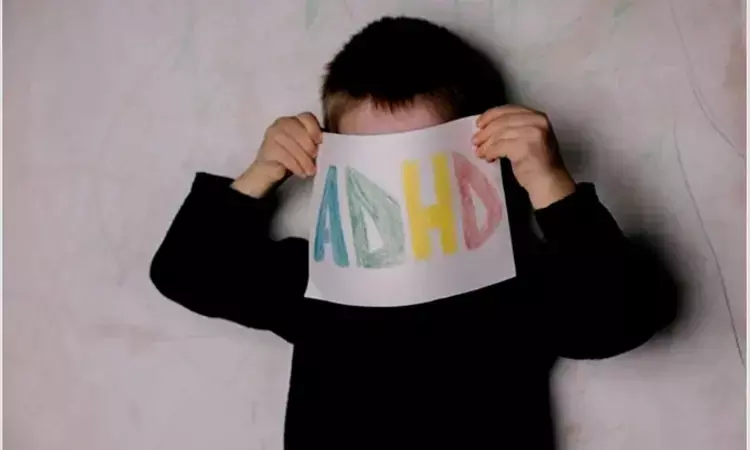
Prescription stimulant drugs such as Ritalin and Adderall are commonly used to treat attention deficit hyperactivity disorder (ADHD), including among children. In the United States, an estimated 3.5 million children ages 3 to 17 take medication for ADHD. That number has risen as diagnoses of the neurodevelopmental disorder have become more common.

For decades, stimulant medications have been thought to work by directly influencing brain regions responsible for attention. New research from Washington University School of Medicine in St. Louis calls that explanation into question. The study was led by Benjamin Kay, MD, PhD, an assistant professor of neurology, and Nico U. Dosenbach, MD, PhD, the David M. & Tracy S. Holtzman Professor of Neurology. Their findings suggest that these medications primarily affect brain systems involved in reward and wakefulness rather than the networks traditionally linked to attention.

Published Dec. 24 in Cell, the study indicates that stimulants may improve performance by making people with ADHD feel more alert and more interested in what they are doing. Instead of directly sharpening focus, the drugs appear to increase engagement with tasks. The researchers also observed brain activity patterns that resembled the effects of a good night's sleep, counteracting the typical brain changes associated with sleep deprivation.

"I prescribe a lot of stimulants as a child neurologist, and I've always been taught that they facilitate attention systems to give people more voluntary control over what they pay attention to," said Kay, who treats patients at St. Louis Children's Hospital. "But we've shown that's not the case. Rather, the improvement we observe in attention is a secondary effect of a child being more alert and finding a task more rewarding, which naturally helps them pay more attention to it."

Kay said the results emphasize the need to consider sleep quality alongside medication when children are being evaluated for ADHD.

Brain imaging reveals unexpected patterns

To examine how stimulants affect the brain, the researchers analyzed resting state functional MRI, or fMRI, data from 5,795 children ages 8 to 11 who took part in the Adolescent Brain Cognitive Development (ABCD) Study. Resting state fMRI measures brain activity when a person is not performing a specific task. The ABCD study is a long term, multisite project following the brain development of more than 11,000 children across the U.S., including a site at WashU Medicine.

The team compared brain connectivity in children who took prescription stimulants on the day of their scan with those who did not. Children who had taken stimulants showed stronger activity in brain regions associated with arousal and wakefulness, as well as areas involved in predicting how rewarding an activity might be. In contrast, the scans did not show notable increases in regions classically tied to attention.

Adult experiment confirms the findings

The researchers tested their results in a smaller study involving five healthy adults without ADHD who did not normally take stimulant medications. Each participant underwent resting state fMRI scans before and after taking a stimulant dose. This allowed the team to precisely track changes in brain connectivity. Once again, the medications activated reward and arousal networks rather than attention networks.

"Essentially, we found that stimulants pre-reward our brains and allow us to keep working at things that wouldn't normally hold our interest -- like our least favorite class in school, for example," Dosenbach said. He explained that instead of directly activating attention centers, stimulants make tasks that are usually difficult to focus on feel more rewarding. That increased sense of reward can help children stick with both challenging and repetitive activities.

"These results also provide a potential explanation for how stimulants treat hyperactivity, which previously seemed paradoxical," Dosenbach added. "Whatever kids can't focus on -- those tasks that make them fidgety -- are tasks that they find unrewarding. On a stimulant, they can sit still better because they're not getting up to find something better to do."

ADHD treatment, sleep, and performance

Within the ABCD study, children with ADHD who were taking stimulant medications had higher school grades, according to parent reports, and performed better on cognitive tests than children with ADHD who were not taking stimulants. The largest improvements were seen in children with more severe ADHD symptoms.

However, the benefits were not observed in every child. Among participants who slept less than the recommended nine or more hours per night, those who took stimulants earned better grades than sleep deprived children who did not take the medication. In contrast, stimulants were not linked to improved performance in neurotypical children who were getting enough sleep. (It is not clear why these kids were taking stimulant medications.) Overall, the link between stimulants and improved cognitive performance appeared only in children with ADHD or in those who were not getting sufficient sleep.

"We saw that if a participant didn't sleep enough, but they took a stimulant, the brain signature of insufficient sleep was erased, as were the associated behavioral and cognitive decrements," Dosenbach said.

Potential risks of masking sleep deprivation

The researchers cautioned that better performance despite poor sleep may come with long term consequences.

"Not getting enough sleep is always bad for you, and it's especially bad for kids," Kay said. He noted that children who are overtired can show symptoms that resemble ADHD, including difficulty paying attention in class or declining grades. In some cases, this could lead to a misdiagnosis when sleep deprivation is the underlying issue. Stimulant medications may appear to help by imitating some effects of adequate sleep, while still leaving children exposed to the long term harms of chronic sleep loss. Kay urged clinicians to consider sleep deprivation during ADHD evaluations and to explore ways to improve sleep.

Questions that remain

Dosenbach and Kay said their findings highlight the need for further research into the long term effects of stimulant use on the brain. They noted that stimulants might have a restorative role by activating the brain's waste clearing system during wakefulness. At the same time, the medications could potentially cause lasting harm if they are used to compensate for ongoing sleep deficits.

Reference:

Benjamin P. Kay, Muriah D. Wheelock, Joshua S. Siegel, Ryan V. Raut, Roselyne J. Chauvin, Athanasia Metoki, Aishwarya Rajesh, Andrew Eck, Jim Pollaro, Anxu Wang, Vahdeta Suljic, Babatunde Adeyemo, Noah J. Baden, Kristen M. Scheidter, Julia S. Monk, Forrest I. Whiting, Nadeshka Ramirez-Perez, Samuel R. Krimmel, Russell T. Shinohara, Brenden Tervo-Clemmens, Robert J.M. Hermosillo, Steven M. Nelson, Timothy J. Hendrickson, Thomas Madison, Lucille A. Moore, Óscar Miranda-Domínguez, Anita Randolph, Eric Feczko, Jarod L. Roland, Ginger E. Nicol, Timothy O. Laumann, Scott Marek, Evan M. Gordon, Marcus E. Raichle, Deanna M. Barch, Damien A. Fair, Nico U.F. Dosenbach. Stimulant medications affect arousal and reward, not attention networks. Cell, 2025; 188 (26): 7529 DOI: 10.1016/j.cell.2025.11.039

CellADHDattention deficit hyperactivity disorderneurodevelopmental disorder
Source : Cell
Dr. Kamal Kant Kohli

Dr Kamal Kant Kohli-MBBS, DTCD- a chest specialist with more than 30 years of practice and a flair for writing clinical articles, Dr Kamal Kant Kohli joined Medical Dialogues as a Chief Editor of Medical News. Besides writing articles, as an editor, he proofreads and verifies all the medical content published on Medical Dialogues including those coming from journals, studies,medical conferences,guidelines etc. Email: drkohli@medicaldialogues.in. Contact no. 011-43720751

Show Full Article
Next Story

Editorial

Acne On Chest, Back and Shoulders: Expert Insights with Dermatologist Dr Rajat Kandhari

Acne On Chest, Back and Shoulders: Expert Insights with Dermatologist Dr Rajat Kandhari

Evaluation of Biologic Efficacy and Cost per NNT in Moderate-to-Severe Psoriasis: Indian Analysis

Evaluation of Biologic Efficacy and Cost per NNT in Moderate-to-Severe Psoriasis: Indian Analysis

U.S. FDA Grants Approval for Ranitidine Comeback

U.S. FDA Grants Approval for Ranitidine Comeback

Dapagliflozin and Sitagliptin FDC in T2D with Heart Failure: 2025 Indian Practice Review

Dapagliflozin and Sitagliptin FDC in T2D with Heart Failure: 2025 Indian Practice Review

Importance of Early Aggressive Glucose Control - Approach in 2026

Importance of Early Aggressive Glucose Control - Approach in 2026

View All

Journal Club Today

Study Explains Why Some People Catch Bad Colds, Others Dont

Study Explains Why Some People Catch Bad Colds, Others Don't

View All

Health News Today

Health Bulletin 27/January/2026

Health Bulletin 27/January/2026

View All
© 2022 All Rights Reserved.
Powered By: Hocalwire
X
We use cookies for analytics, advertising and to improve our site. You agree to our use of cookies by continuing to use our site. To know more, see our Cookie Policy and Cookie Settings.Ok