
Burn Injury Patients more prone to Psychiatric Comorbidities and increased Psychological Burden, Suggests Study
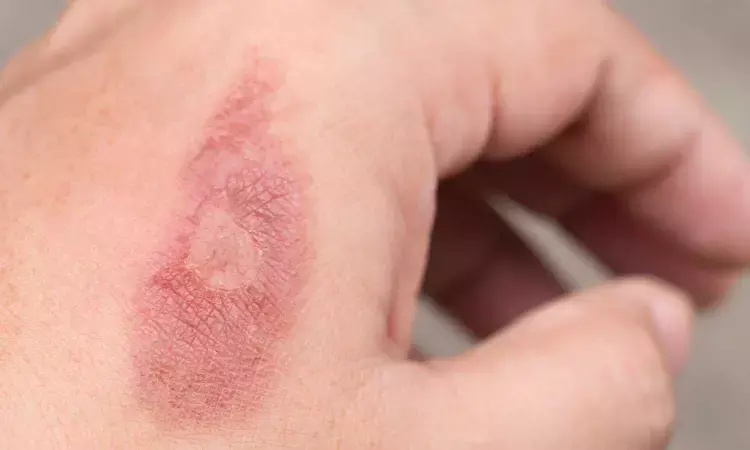


A recent clinical investigation highlights that nearly one-fifth of burn injury patients present with diagnosable psychiatric comorbidities, revealing that physical disfigurement is often accompanied by significant psychological distress, perceived stigma, and intentional self-harm behaviors, as published in the Indian Journal of Social Psychiatry in March 2026 has shown.
While the physical management of thermal trauma is highly advanced, the underlying psychological "unseen scars" often remain neglected in clinical settings; therefore, Dr. Swapnajeet Sahoo and colleagues from the Post Graduate Institute of Medical Education and Research (PGIMER), Chandigarh, conducted the research to bridge the gap between somatic treatment and the underexplored psychiatric antecedents of burn injuries in the Indian population.
Therefore, the cross-sectional study at PGIMER evaluated 104 clinically stable adult burn inpatients recruited via purposive sampling within two weeks of admission. Psychiatric diagnoses were established using DSM-5 criteria, with clinical stability and delirium exclusion confirmed through the Richmond Agitation Sedation Scale (RASS) and CAM-ICU. The WHO Global Burn Registry was used to document Total Body Surface Area (TBSA) and burn etiology, while the PHQ-9 and GAD-7 scales assessed depression and anxiety severity.
Key clinical Findings of the Study Include:
High Prevalence of Comorbidity: The investigation found that 18.3% of patients had a lifetime psychiatric diagnosis (excluding nicotine dependence), with substance use disorders (SUD) affecting 25% and major depressive disorder (MDD) present in 7.7% of the cohort.
Profile of Intentional Burns: Intentional self-inflicted injuries accounted for 9.6% of cases, and notably, 80% of these individuals had a pre-existing psychiatric morbidity, indicating a strong correlation between mental illness and deliberate self-harm.
Pervasive Stigma and Discrimination: An overwhelming 84.2% of patients with psychiatric diagnoses reported high levels of perceived discrimination on the Everyday Discrimination Scale (EDS), facing a "double stigma" from both their mental health status and visible bodily disfigurement.
Impulsivity and Personality Factors: Approximately 26.3% of the psychiatric subgroup screened positive for personality disorders on the Iowa Personality Disorder Screen (IPDS), frequently exhibiting higher scores in the non-planning domain of impulsivity.
Protective Social Structures: Data showed that patients with psychiatric diagnoses were significantly more likely to come from nuclear families (P < 0.001), suggesting that traditional joint family systems may offer protective psychosocial benefits against mental health crises.
The results suggest that nearly one-fifth of burn survivors possess a comorbid lifetime psychiatric disorder, and these individuals are significantly more likely to have experienced intentional burns or utilized alcohol as a contributing factor to their injury.
Treating physicians, plastic surgeons, and intensivists should remain vigilant regarding these psychiatric risk factors and psychosocial issues to ensure a holistic management approach during both acute ward stays and long-term outpatient follow-up.
Although the study is limited by its single-center cross-sectional design and a relatively small sample size, it highlights an urgent need for longitudinal research to further delineate the long-term psychological trajectory of burn survivors.
Reference
Sahoo S, Patel G, Grover S, Nehra R, Tripathy S. Unseen scars: Psychiatric comorbidity, intentional burns, and psychosocial factors among patients with burn injuries – A cross-sectional study from a tertiary care center in North India. Indian J Soc Psychiatry 2026;42:23-32.
