
Doubling of new prescriptions for ADHD medications among adults since start of COVID-19 pandemic
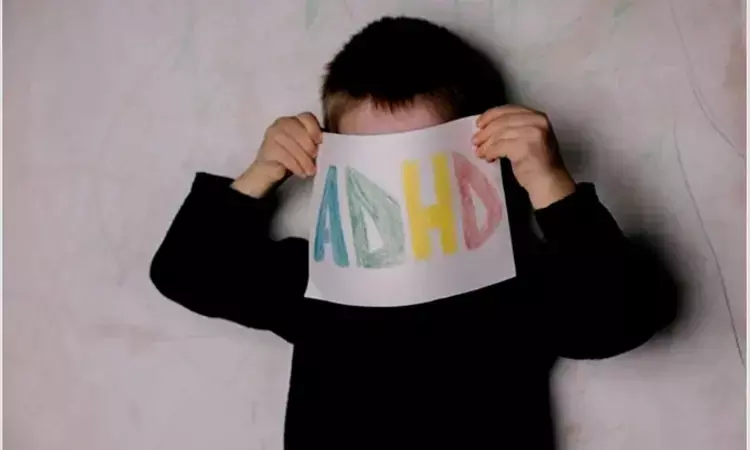


New prescriptions for stimulants among adults, largely to treat ADHD, more than doubled since the start of the COVID-19 pandemic, especially in younger adults, found new research published in CMAJ (Canadian Medical Association Journal).
In the past, stimulants have been prescribed mainly for pediatric cases of ADHD and some other conditions. However, over the last 20 years, ADHD diagnoses and stimulant prescriptions have increased globally in adults, and data indicate this trend accelerated after the start of the pandemic. Canadian researchers sought to understand whether this trend is evident in Canada and to understand the demographic characteristics of people using these medications.
“Our findings may reflect improved recognition and treatment of ADHD in adulthood; however, the speed and scale of this growth also raises important questions about how diagnoses are being made, and if this prescribing is always appropriate,” says Dr. Tara Gomes, program director of the Ontario Drug Policy Research Network at St. Michael’s Hospital, Unity Health Toronto and an ICES scientist, Toronto, Ontario.
During the study period from January 2016 to June 2024, 327 053 adults in Ontario were dispensed at least 1 new prescription for stimulants. More than half (55%) were female, the median age was 31 years, and the majority (91%) lived in urban areas. The start of the pandemic saw a short-term decline in new recipients of stimulant prescriptions, followed by a subsequent rapid increase. Interestingly, the largest increase and highest rates of new stimulant recipients occurred among younger age groups, most notably among 18- to 24-year-olds. As well, prior to the pandemic, stimulant prescribing rates were similar between males and females, but during the pandemic, rates of stimulant prescriptions were consistently higher among females in all age groups.
“Many of these findings are consistent with trends in stimulant prescribing observed globally in the post-pandemic era and are likely influenced by greater awareness of adult ADHD and improved access to care following a historical pattern of underdiagnosis of ADHD in adulthood — particularly among women,” says coauthor Dr. Mina Tadrous, associate professor, Leslie Dan Faculty of Pharmacy, University of Toronto. “However, the rising impact of social media influencers on ADHD awareness in young adults, as well as the rapid evolution of virtual health services that support online assessments and treatment, may also be contributing to misdiagnoses and potential harm."
Studies in the United States, Australia, the United Kingdom, and Finland have reported similar trends in increasing stimulant use. Increased awareness and diagnosis of adult ADHD, expanded access to prescriptions through virtual care, more time spent on screens, and mental distress are some touted driving factors. The use of prescription stimulants to manage people who have anxiety and depression may also be contributing to the trend, as 25% of new recipients of stimulants were diagnosed with one or both conditions.
The researchers also noted shifts in prescribing patterns, with a decline in prescriptions from psychiatrists after the start of the pandemic (from 26% to 18%) and an increase in prescriptions from nurses and nurse practitioners (from 2% to 10%).
“While greater awareness of adult ADHD has likely supported many people accessing timely care, the speed of rising stimulant prescribing in this population alongside more non-specialist initiation, increasing virtual care, and shorter assessment timelines also raises concerns about the quality of diagnostic practices,” cautions Dr. Gomes. “Because diagnosing adult ADHD requires careful and comprehensive clinical evaluation, these patterns point to the importance of ensuring that rigorous assessment protocols are used to support treatment decisions that are better aligned with clinical standards.”
The authors call for ongoing monitoring and evaluation to understand the root causes of rising rates of stimulant use and balance between treatment when indicated and protecting patients against potential harms.
Reference:
Tara Gomes, Tianru Wang, Nevena Rebić, Sydney Miller, Laura Paolozza, Simone N. Vigod and Mina Tadrous, Patterns of prescription stimulant initiation before and during the COVID-19 pandemic: a population-based time-series analysis, Canadian Medical Association Journal, DOI: https://doi.org/10.1503/cmaj.251065
