
Ozempic, GPL-1s may help curb substance use disorders, UTEP study finds
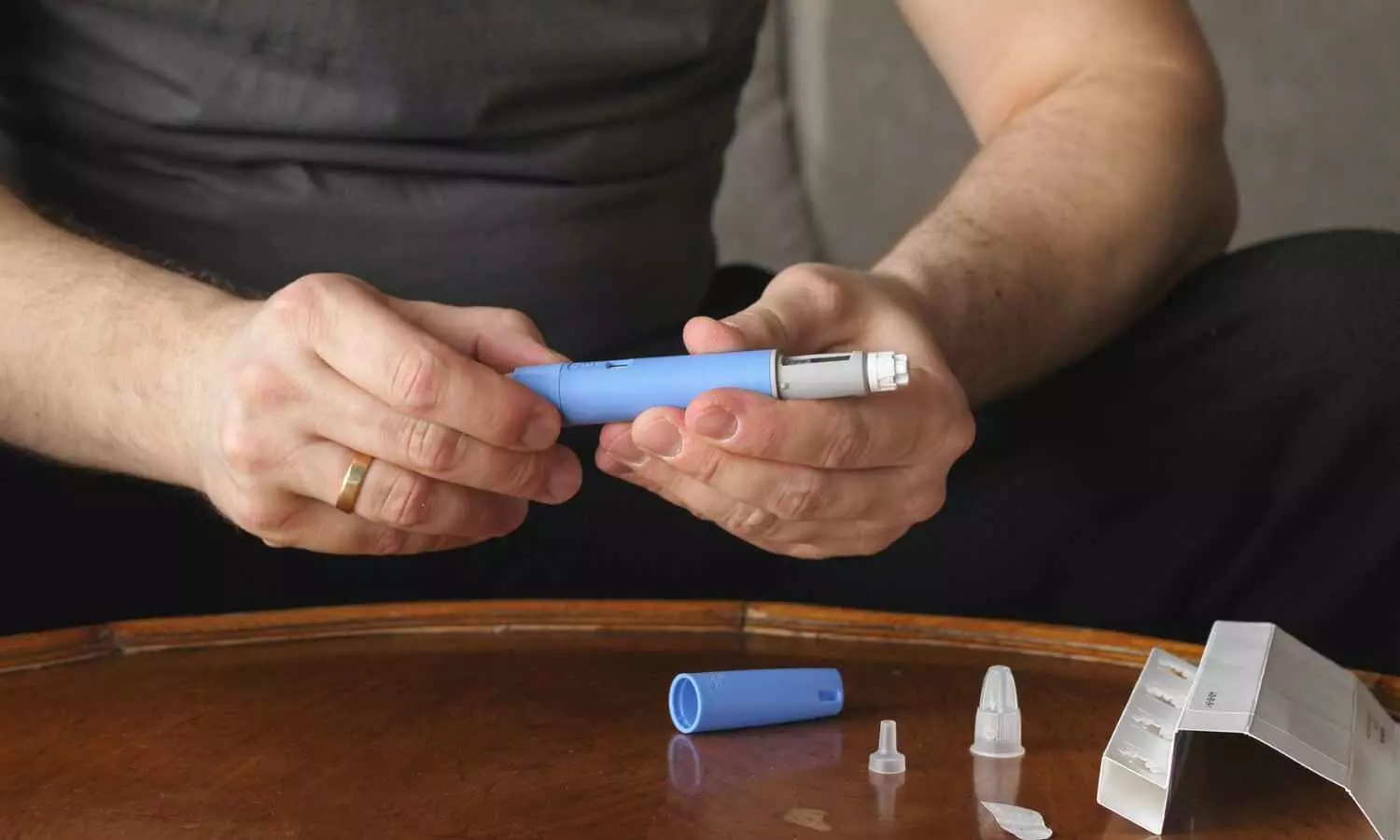


A new study led by researchers at The University of Texas at El Paso found that use of weight loss drugs like Ozempic and other GLP-1s is associated with a lower risk of developing alcohol, opioid, nicotine and cocaine use disorders.
The study, led by UTEP School of Pharmacy researchers Tadesse Abegaz, Ph.D., and Gabriel Frietze, Ph.D., was published in Frontiers in Psychiatry. It looked at more than 142,000 cases of patients with type 2 diabetes or obesity, of which around 20,000 were prescribed GLP-1 medications. They then examined whether GLP-1 users were more or less likely to develop substance use disorders than similar counterparts who were not on the medications.
GLP-1s are a class of medications that were originally developed for treating obesity and diabetes. But emerging evidence suggests these medications may influence dopamine signaling and other neural pathways that contribute to cravings – not only of food but other substances.
"Our findings add to growing evidence that GLP-1 medications may influence more than appetite and blood sugar regulation," said lead author Abegaz. "These medications appear to affect brain pathways involved in reward and craving, which could help explain the lower rates of substance use disorders observed in our study."
The study found that people taking GLP-1 medications had:
• 74% lower odds of alcohol use disorder
• 69% lower odds of opioid use disorder
• 68% lower odds of nicotine use disorder
• 75% lower odds of cocaine use disorder
The team emphasizes that their findings do not establish cause and effect — GLP-1s do not specifically prevent patients from abusing substances.
“We do not support prescribing these medications for addiction treatment at this time, Frietze said. “Because this was an observational study in a specific clinical population, randomized clinical trials are needed before GLP-1 medications can be recommended for treating addiction.”
However, the team believes their results are promising and plan to continue studying GLP-1s’ effect on substance abuse.
“Our next goal is to conduct prospective research that follows individuals initiating GLP-1 therapy over time,” Abegaz said. “We aim to evaluate whether changes in the substance use behaviors occur after treatment begins and whether these changes related to improvements in mental health and quality of life.
He added, “Ultimately, this work will help inform whether GLP-1 medications could become part of future treatment strategies for substance use disorders.”
Patient data for this study was provided by the National Institutes of Health All of Us Research program, one of the nation’s largest and most diverse health databases.
Reference: Abegaz TM, Ahmed M, Bhagavathula AS and Frietze G (2026) Association between GLP-1 receptor agonist use and substance use disorders among individuals with type 2 diabetes or obesity: a nested case-control study in the All of Us research program. Front. Psychiatry 17:1766770. doi: 10.3389/fpsyt.2026.1766770
