
Psilocybin Shows Promise for Treating Cocaine Use Disorder: JAMA
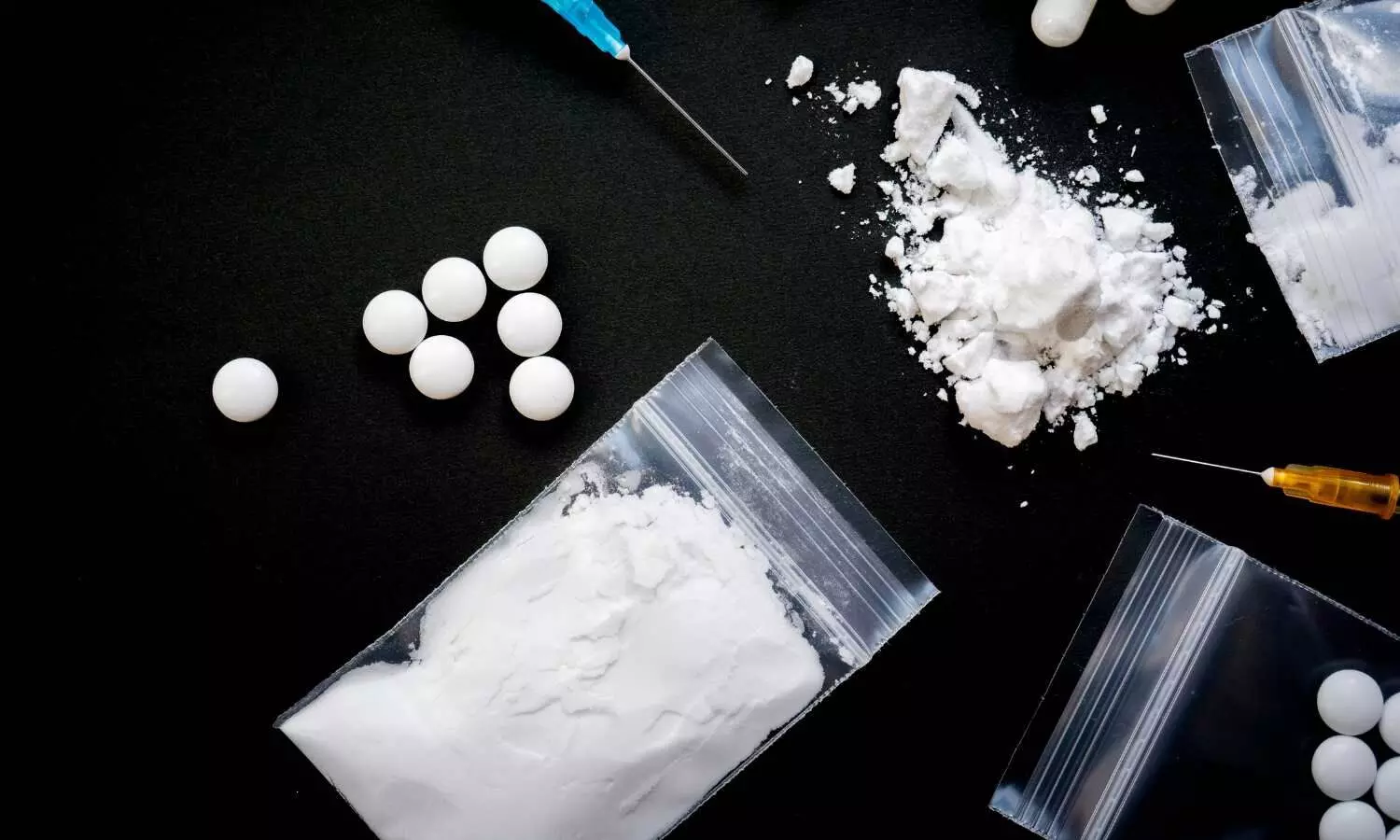


A new randomized clinical trial published in the Journal of the American Medical Association showed that psilocybin appeared to be safe and effective for treating cocaine use disorder in individuals from underrepresented and vulnerable populations. The findings support further research to confirm and expand upon these preliminary results.
Cocaine use disorder contributes to overdose deaths, psychiatric illness, cardiovascular complications, and social instability. Despite decades of research, no medications have yet been proven effective specifically for treating cocaine dependence, leaving behavioral therapies as the primary treatment option.
The study enrolled 40 adults diagnosed with cocaine use disorder who were motivated to quit and did not have severe psychiatric or medical comorbidities. The participants were recruited between 2015 and 2023, with over 82% of participants were Black, and nearly two-thirds reported annual incomes of $20,000 or less. Participants were randomly assigned to receive either a single oral dose of psilocybin or an active placebo consisting of diphenhydramine, an antihistamine which is commonly used in allergy medications.
All participants underwent structured psychotherapy that included cognitive behavioral treatment before and after the dosing session. When compared with the placebo group, participants who received psilocybin experienced significantly higher percentages of cocaine-abstinent days during the six months following treatment. They were also substantially more likely to achieve complete abstinence from cocaine and demonstrated a lower risk of relapse over time.
Psilocybin recipients had nearly 29% more cocaine-free days than those receiving placebo. The odds of achieving complete abstinence were also markedly higher in the psilocybin group. Also, individuals who received psilocybin took significantly longer to experience their first cocaine lapse after treatment.
No serious adverse events were reported during the trial, which suggests that the treatment was generally safe under medically supervised conditions. Careful screening, psychological preparation, and monitored administration likely contributed to the favorable safety profile.
Overall, the findings add to the growing data of psychedelic-assisted therapies for addiction and mental health disorders, including depression, post-traumatic stress disorder, alcohol dependence, and nicotine addiction. Larger trials are still needed to confirm the findings in long-term and to determine how psilocybin therapy could be integrated into addiction treatment programs.
Source:
Hendricks, P. S., Lappan, S. N., Shelton, R. C., Lahti, A. C., Cropsey, K. L., Johnson, M. W., Bradley, M., Simonsson, O., Davis, L. L., Grossman, D. H., & Ortiz, C. E. (2026). Psilocybin in the treatment of cocaine use disorder: A randomized clinical trial: A randomized clinical trial. JAMA Network Open, 9(5), e2611029. https://doi.org/10.1001/jamanetworkopen.2026.11029

