
Severe Neurocognitive Failure Drive Gambling Behavior, Suggests Systematic Review
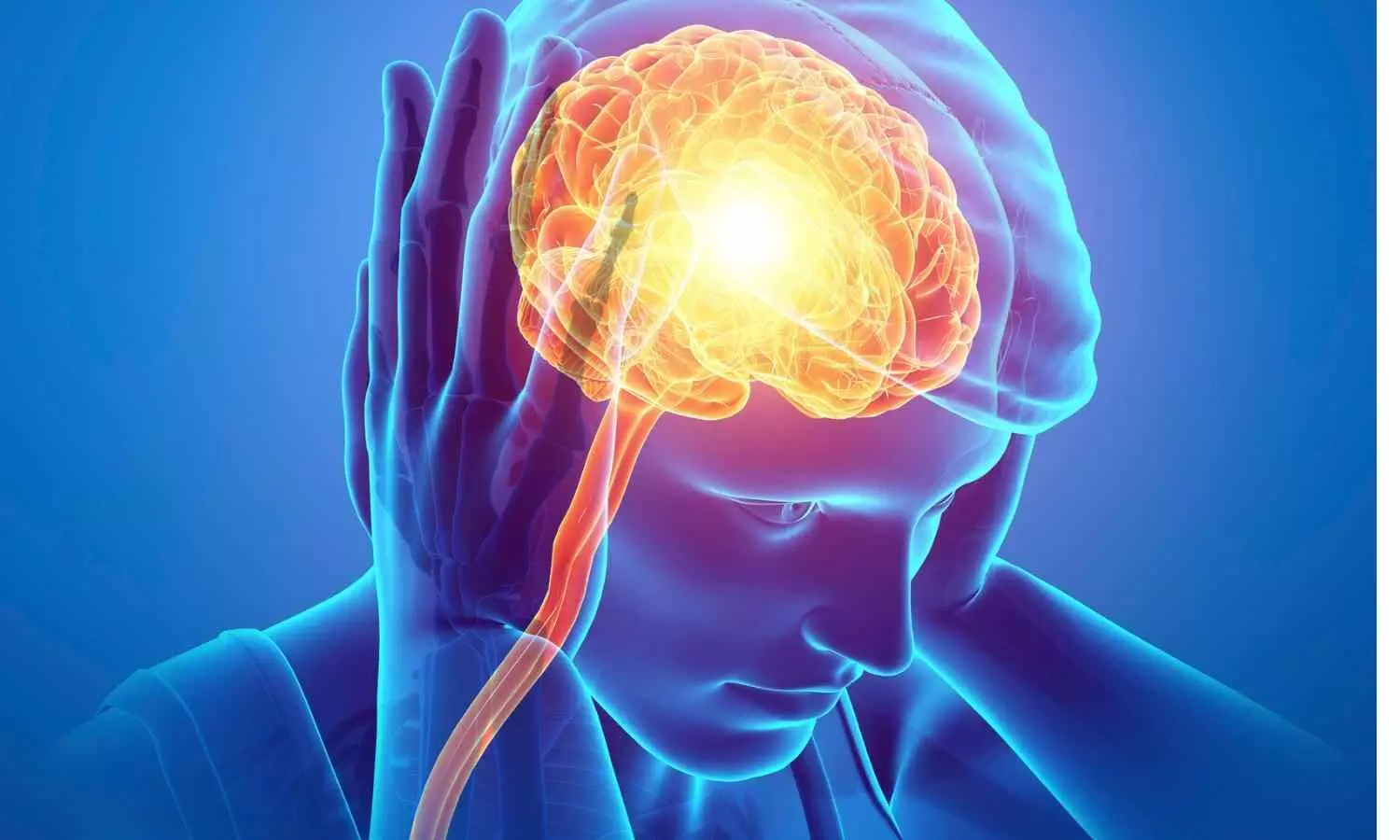


A recent meta-analysis published in the Indian Journal of Psychological Medicine in April 2026 defines gambling disorder as a "disease of volition" driven by severe neurocognitive failure. The study reveals that profound deficits in inhibitory control and delay discounting allow automatic impulsive systems to overwhelm controlled reflection. These clinical impairments in cognitive flexibility and working memory provide robust empirical support for the dual-process model of addiction in gambling behavior.
Addiction has long been classified as a disorder of volition stemming from cognitive impairments, yet while the dual-process model—the dominance of impulsive systems over reflective ones—is well-established in substance use disorders, empirical support in the context of behavioral addictions has remained sparse and clinically fragmented; seeking to bridge this evidence gap, Yashita Ahluwalia and colleagues from the National Drug Dependence Treatment Center (NDDTC) at the All India Institute of Medical Sciences (AIIMS) conducted the research to systematically map the specific executive dysfunctions and decision-making patterns associated with gambling behavior.
Therefore, the meta-analysis searched major databases through September 2024, identifying 76 observational studies involving 5,362 individuals with DSM/ICD-defined gambling disorders. Researchers utilized random-effects models and Hedges’ g to quantify objective performance across six neurocognitive domains. For methodological consistency, the analysis prioritized standardized mean differences by excluding non-English and qualitative data.
Key Clinical Findings of the Review Include:
Severe Inhibitory Dysfunction: Analysis revealed massive deficits in impulse suppression, with patients showing significant delays on Stroop tasks in both gambling-specific (g = 1.91) and neutral (g = 1.83) contexts.
Steep Reward Devaluation: Review quantified a profound tendency toward immediate gratification, with patients discounting future rewards at a significantly higher rate (AUC g = -1.07) than healthy controls.
Compromised Cognitive Flexibility: Meta-analysis identified moderate failures in adjusting to changing rules, specifically regarding set-shifting (g = 0.72) and learning from probabilistic reversals (g = -0.51).
Deficient Working Memory: Research highlighted a moderate decline in the ability to manage complex mental tasks, as evidenced by significant performance gaps on the Trail Making Test–Part B (g = 0.59).
Task-Specific Decision Deficits: Analysis established that while risk-taking is elevated in certain paradigms, decision-making impairments are not uniform and vary significantly depending on the specific task parameters used.
The results suggest that individuals exhibiting gambling behavior possess quantifiable neurocognitive deficits in domains regulating both automatic impulses and controlled reflection, with the data providing partial but significant support for applying the dual-process model of addiction to behavioral disorders.
These findings suggest clinicians may find it beneficial to explore the adaptation of cognitive remediation and bias modification strategies, originally successful in substance dependence, to better address the executive dysfunction observed in gambling populations.
While the current analysis is limited by the predominantly cross-sectional design of existing literature and notable heterogeneity across different neuropsychological tasks, there is an exciting opportunity for future longitudinal research to clarify whether these cognitive impairments serve as markers of vulnerability or are a direct result of chronic gambling.
Reference
Ahluwalia Y, Negi PS, Singh S, Sarkar S and Balhara YPS. Neurocognitive Deficits Associated with Gambling Behavior: A Systematic Review and Meta-analysis of Executive Function, Decision-making, Delay Discounting & Reward Sensitivity. Indian J Psychol Med. 2026;XX:1–8
