Spouses of People With Dementia May Face Increased Dementia Risk: JAMA
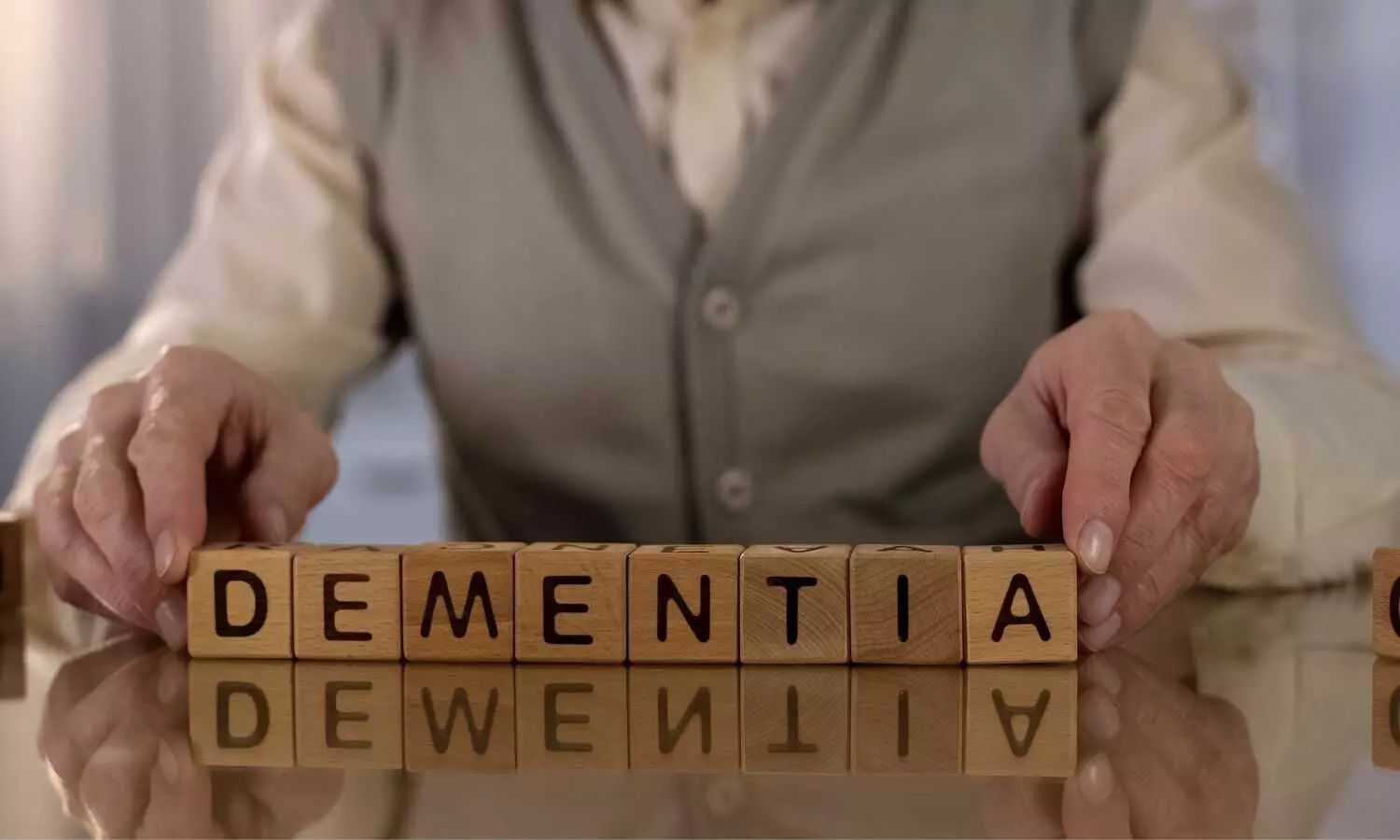


A cohort study from Taiwan has found that married individuals whose spouses had dementia had a higher risk of developing dementia themselves compared with those whose spouses were not affected. The association varied according to family and socioeconomic factors, highlighting the importance of considering household and social context when assessing dementia risk. The study was published in JAMA Network Open by Shi-Heng and colleagues.
The impact of being exposed to incident dementia among spouses on increasing risk of cognitive problems was studied by conducting a population-based cohort study employing the Taiwan’s National Health Insurance Research Database from 1998 to 2022. Data analysis was conducted between July 15, 2025, and May 15, 2026. Incident dementia cases among their spouse were found, who were then matched to unexposed controls in 1-to-4 ratio based on their year of birth, gender, personal income, and urban residence. The outcome measures include incident all-cause dementia, Alzheimer disease, and vascular dementia, assessed with the help of Cox regression and g-computation methods.
Key findings:
- The matched cohort evaluated a total of 955,105 individuals, comprising 118,904 exposed women and 72,117 exposed men alongside 475,616 unexposed women and 288,468 unexposed men.
- The largest age proportion at cohort entry was 65 to 74 years, accounting for 47,084 women (39.6%) and 28,477 men (39.5%).
- For women exposed to spousal dementia, the hazard ratio for all-cause dementia was 1.74 (95% CI, 1.70–1.78), with a 5-year adjusted risk difference of 2.75 percentage points (95% CI, 2.63–2.87 pp).
- For exposed men, the hazard ratio was 1.69 (95% CI, 1.64–1.73), accompanied by a 5-year adjusted risk difference of 3.49 percentage points (95% CI, 3.30–3.69 pp).
- Relative risk estimates were more pronounced among younger age groups, whereas absolute risk differences expanded with advancing age.
In summary, spouses of persons with dementia were at greater risk of developing dementia compared to those who were not exposed. This is based on strong statistical evidence, making it very important to integrate household risks assessments in geriatric and memory clinics.
Reference:
Wang S, Lin M, Fan CC, Huang W, Hsu C, Wu C. Spousal Dementia Exposure and Risk of Dementia. JAMA Netw Open. 2026;9(7):e2624175. doi:10.1001/jamanetworkopen.2026.24175