
Pulmonary Tuberculosis Sequelae Mask Late-Onset Kartagener’s Syndrome: Case Report
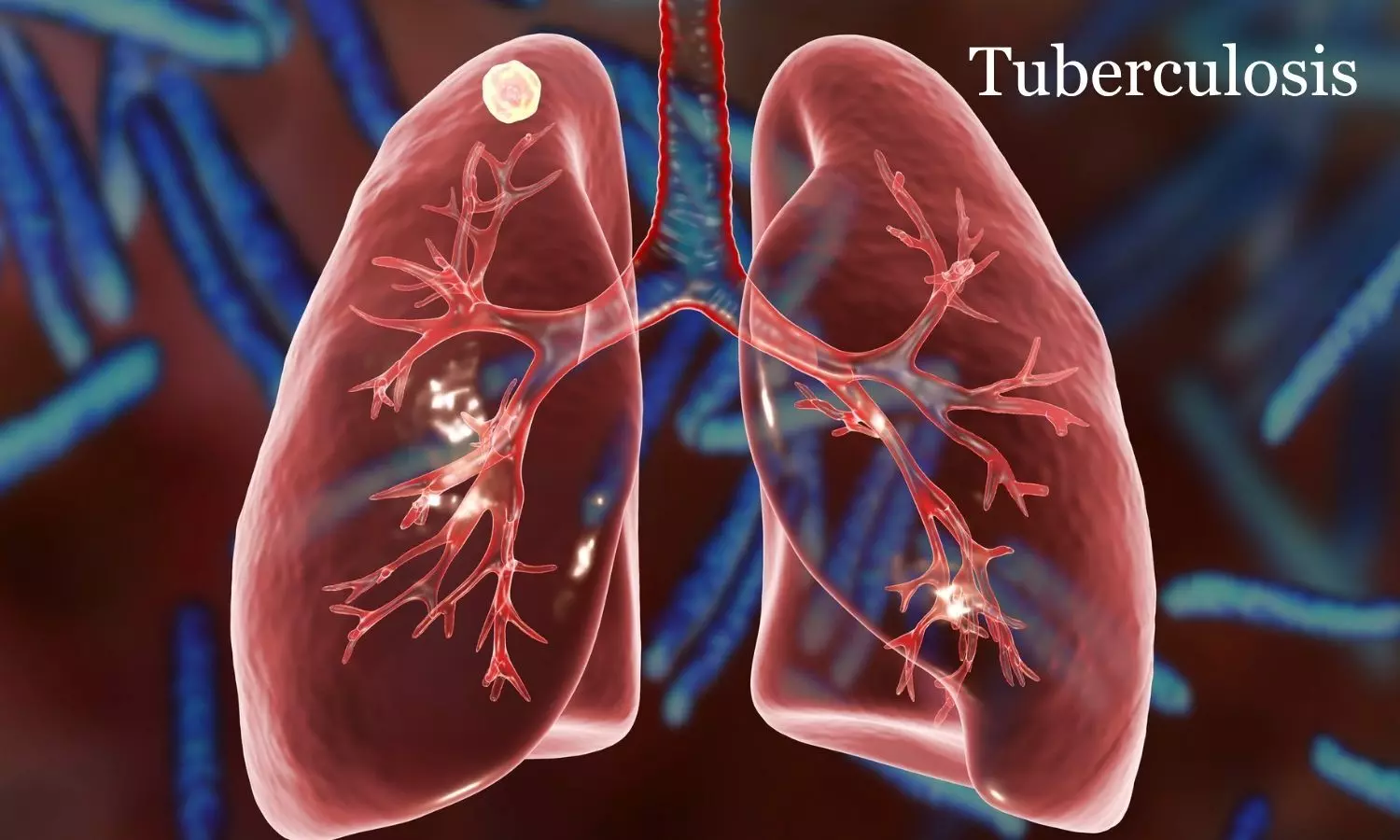


A recently published case report has detailed an undiagnosed congenital case of Kartagener’s syndrome (KS) mimicking post-tuberculous sequelae in a fifty-four-year-old male.
The findings were published in July 2026 in The Indian Journal of Chest Diseases and Allied Sciences by Supriya Adiody and colleagues.
Clinical Case Report Overview
A 54-year-old male with hypertension, diabetes, and coronary artery disease presented with acute-on-chronic respiratory symptoms (cough, dyspnea, hemoptysis) initially misattributed to post-tuberculosis scarring. Physical examination revealed bilateral coarse crepitations and right-sided heart sounds. Contrast-enhanced computed tomography and flexible bronchoscopy confirmed situs inversus totalis with dextrocardia, transposition of the great arteries, mirrored bronchial anatomy, and bilateral bronchiectasis. Combined with type 1 respiratory failure and a 25-year history of primary infertility, this classic clinical triad established a diagnosis of Kartagener's syndrome.
Pathophysiological and Ciliary Insights
Kartagener’s syndrome is a rare autosomal recessive ciliopathy and a subset of primary ciliary dyskinesia, characterized by defective respiratory ciliary motility. This impairment compromises mucociliary clearance, resulting in chronic sinopulmonary infections and progressive bronchiectasis. It also leads to male infertility due to sperm flagellar immotility. While situs inversus occurs in half of these patients due to disrupted embryologic left-right axis orientation, this patient's additional visceral anomalies—such as transposition of the great arteries and pancreatic agenesis—represent less common developmental sequelae of defective ciliary function during early embryogenesis.
Implications for Clinicians
In tuberculosis-endemic regions, clinicians frequently attribute chronic bronchiectasis and fibrosis to post-infectious tuberculosis scarring. This case demonstrates that such assumptions can mask underlying congenital disorders. Clinicians should investigate patients with recurrent respiratory symptoms for ciliary dyskinesia, particularly when dextrocardia or situs inversus is observed on imaging. Early identification is essential to establish targeted chest physiotherapy, initiate airway clearance, and manage associated reproductive complications.
Reference
Adiody, S., Narayanan, V., & Shanavas, G. (2026). From Pulmonary Tuberculosis Sequela to Kartagener’s Syndrome: An Accidental Diagnosis; Case Report. The Indian Journal of Chest Diseases and Allied Sciences, 68(2), 94-98.
