COVID-19 Infection associated with Long-Term Risk of Type 2 Diabetes in unvaccinated individuals: A Study
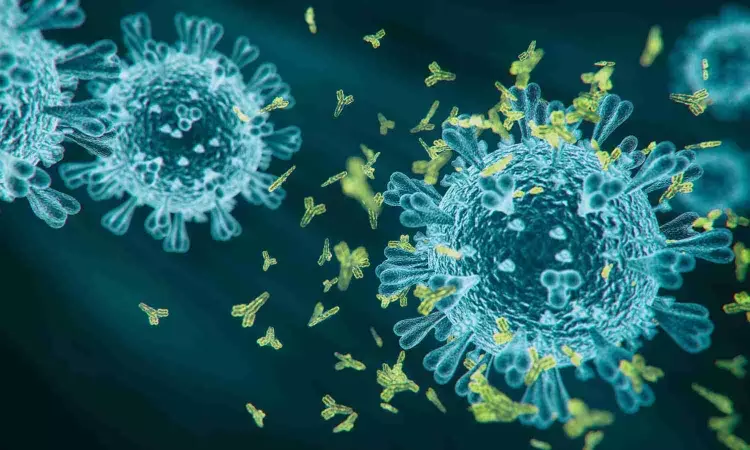


A large population-based study from the British Columbia Centre for Disease Control, published in Diabetes/Metabolism Research and Reviews, has found that COVID-19 infection increases the risk of developing type 2 diabetes, particularly in unvaccinated individuals and those with severe illness. The elevated risk persists for up to three years after infection. The study was conducted by Hector A. and colleagues.
Since the emergence of the COVID-19 pandemic, increasing evidence has suggested that SARS-CoV-2 infection may have persistent effects on metabolism. These mechanisms have been proposed to include pancreatic beta-cell dysfunction, systemic inflammation, immune dysregulation, and stress-induced hyperglycemia. However, there has been ongoing uncertainty about the degree and duration of diabetes risk after infection, especially in large general-population groups with prolonged follow-up.
The study analyzed data from over 2 million adults who underwent COVID testing between January 2020 and January 2024, including 296,390 COVID-positive and 1.7 million COVID-negative individuals. People with pre-existing diabetes and long-term care residents were excluded to ensure accurate assessment of new-onset diabetes risk.
Key findings
• Incident T2DM was identified more than 30 days after testing using a validated administrative data algorithm.
• During follow-up, 47,704 new cases of T2DM were documented, representing 2.33% of the cohort.
• After adjustment using inverse probability-weighted cause-specific hazard models that accounted for death as a competing risk.
• Individuals who tested positive for SARS-CoV-2 had an 18% higher risk of developing T2DM compared with those who tested negative, with a hazard ratio of 1.18 and a 95% confidence interval of 1.15 to 1.22 (p < 0.0001).
These results indicate that SARS-CoV-2 infection could play a role in the development of metabolic dysfunction, possibly due to the following mechanisms: systemic inflammation, pancreatic beta-cell damage, immune system dysfunction, or stress-induced hyperglycemia.
The fact that high risk persisted over time emphasizes the need for long-term metabolic follow-up in patients recovering from COVID-19, especially those who were unvaccinated or had severe disease. From a public health point of view, these findings support the general benefits of vaccination not only in the prevention of severe acute COVID-19 but also in the prevention of potential long-term metabolic complications.
Reference:
Velásquez García, H. A., Wong, S., Jeong, D., Naveed, Z., Mahmood, B., McKee, G., & Janjua, N. Z. (2026). Long-term risk of incident type 2 diabetes following SARS-CoV-2 infection: A population-based study in British Columbia, Canada. Diabetes/Metabolism Research and Reviews, 42(2), e70136. https://doi.org/10.1002/dmrr.70136