
Earlier menopause linked to higher risk of bronchiectasis, suggests study
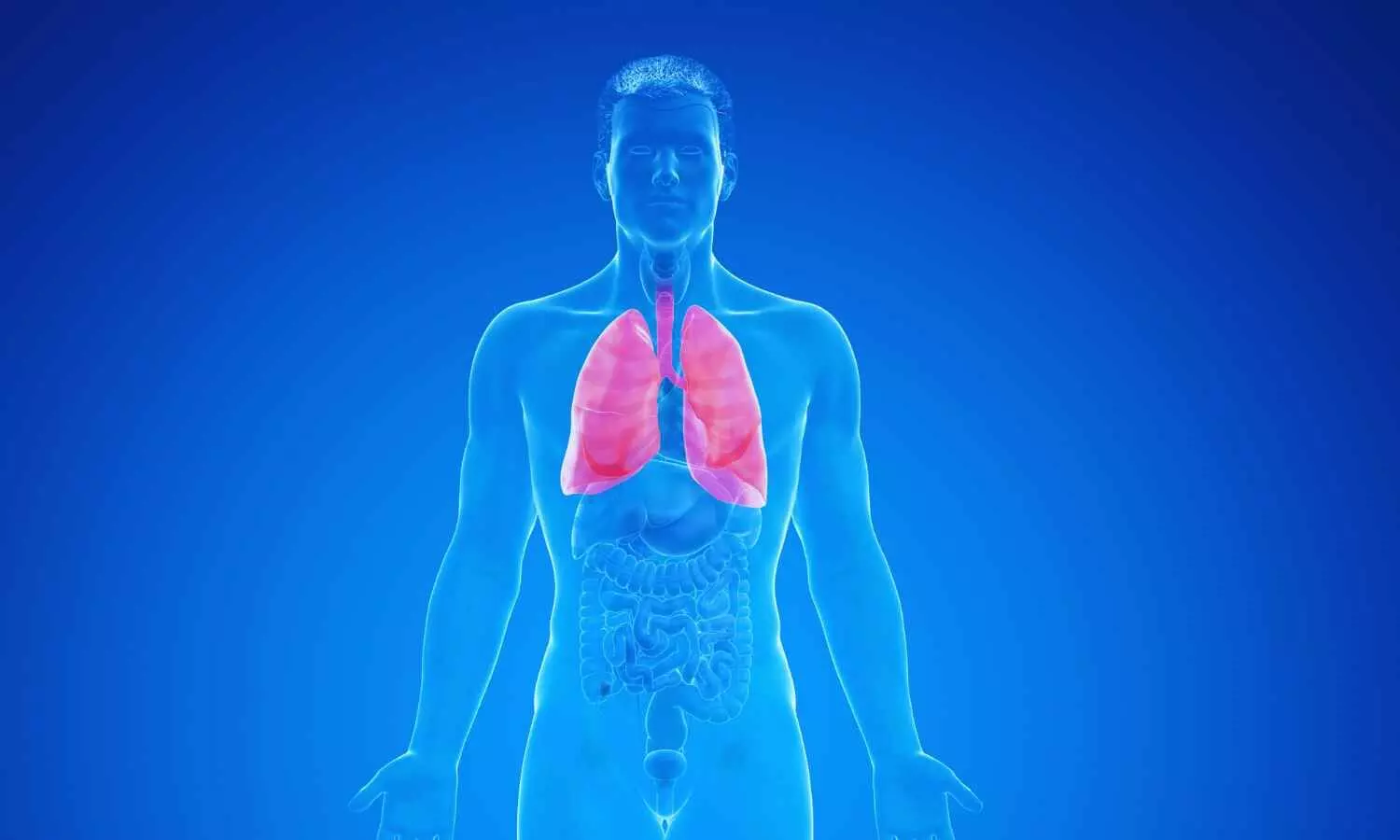


Women with a shorter reproductive lifespan are at greater risk of developing bronchiectasis, according to a new study in the July 2026 issue of Chronic Obstructive Pulmonary Diseases: Journal of the COPD Foundation, a peer-reviewed, open access journal.
Bronchiectasis is a chronic lung disease characterized by enlarged airways that are thickened and/or scarred. These permanently widened airways lead to a buildup of mucus and impaired clearance of bacteria from the lungs. It is estimated that more than 1 million people are diagnosed with bronchiectasis worldwide, and of those, 340,000 to 522,000 are adults in the U.S.
Bronchiectasis is nearly twice as common in women as in men. Postmenopausal women are at higher risk of developing bronchiectasis; however, research does not clearly show how a woman’s reproductive lifespan—from beginning of menstruation to beginning of menopause—affects that risk.
This study included nearly 97,000 postmenopausal women participating in the Women’s Health Initiative (WHI). The WHI is a long-term health study of more than 161,000 postmenopausal women from 40 clinical sites across the United States between 1993 and 1998. More than half of the participants used postmenopausal hormone therapy.
Researchers examined whether the length of a participant’s reproductive lifespan (with and without hormone therapy) and the age a woman began menopause were connected to the risk of developing adult-onset bronchiectasis.
Results showed that women with a shorter reproductive lifespan were at higher risk of developing bronchiectasis. In the absence of hormone therapy, women with the reproductive lifespan of more than 40 years were at a 22% lower risk of developing bronchiectasis compared to the women whose reproductive lifespan was less than 30 years. Hormone therapy use was associated with a 19% greater risk of bronchiectasis.
“Our findings suggest that reproductive health and hormonal factors may play an important role in bronchiectasis risk in older women,” said Alexander I. Geyer, M.D., of the Cleveland Clinic and lead author of the study. “More research is needed to understand how reproductive hormones may influence airway health and whether hormone therapy could affect the risk of bronchiectasis in postmenopausal women.”
Reference:
Geyer AI, Sacco SJ, Shadyab AH, Metersky ML. Reproductive lifespan and adult-onset bronchiectasis in U.S. postmenopausal women: an investigation of the Women’s Health Initiative cohort. Chronic Obstr Pulm Dis. 2026; 13(4): 316-327. doi: http://doi.org/10.15326/jcopdf.2025.0740
