
Higher Rifampicin Doses Accelerate Bacterial Clearance in Pulmonary TB, But Safety Concerns Remain: ICMR
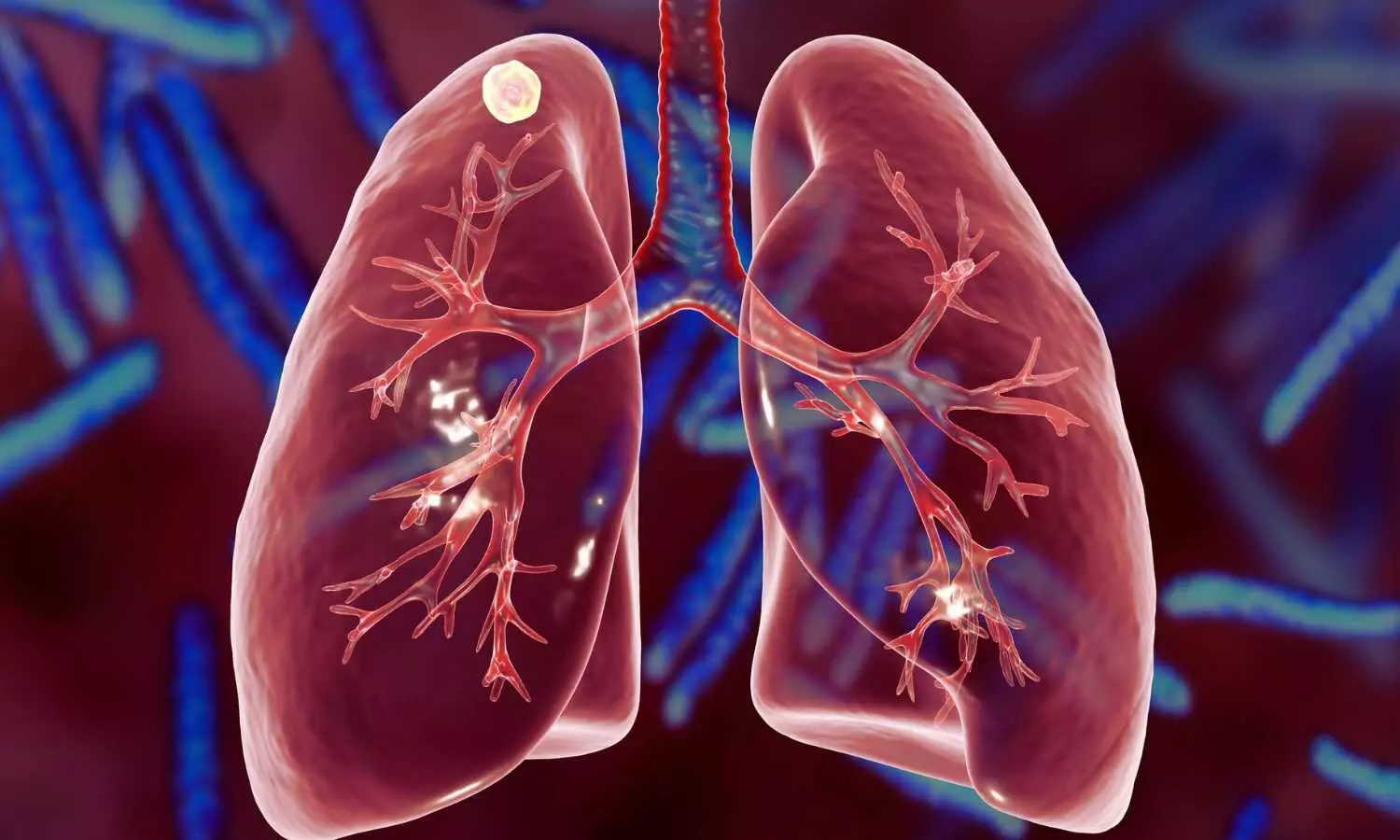


India: A systematic review and meta-analysis published in the Indian Journal of Medical Research in June 2025 reports that high-dose rifampicin (≥15 mg/kg) modestly improves sputum culture conversion (SCC) rates in adults with pulmonary tuberculosis (PTB). However, doses exceeding 30 mg/kg are associated with significantly higher hepatotoxicity and treatment discontinuation.
While the standard 10 mg/kg rifampicin dose is often associated with sub-therapeutic drug concentrations that may contribute to treatment failure or the emergence of drug resistance, earlier systematic reviews have provided only low-certainty evidence regarding the clinical impact of higher dosages. Consequently, Bhavani Perumal Kannabiran and colleagues from the Indian Council of Medical Research (ICMR)-National Institute for Research in Tuberculosis, Chennai, aimed to conduct a meta-analysis to determine if regimens containing more than 15 mg/kg improve efficacy and safety in adults with PTB.
For this reason, the researchers conducted a systematic review and meta-analysis synthesizing data from nine individual randomized controlled trials (RCTs) involving 2,594 adult patients across various global settings to evaluate eight weeks of intensive-phase high-dose rifampicin against the standard 10 mg/kg dose. The researchers employed Mantel-Haenszel (M-H) fixed-effect models to assess primary outcomes, specifically sputum conversion at the two-month mark, while secondary endpoints included mortality, treatment failure at six months, and the incidence of Grade 3 or 4 hepatotoxicity.
Key Clinical Findings of the Review Include:
- Enhanced Bacteriological Response: The study reveals that high-dose rifampicin increased the 8-week sputum conversion rate (pooled relative risk [RR] 1.05), with the benefit becoming more pronounced as the dose reached levels above 30 mg/kg (RR 1.12).
- Optimized Therapeutic Window: Subgroup analysis identified that doses between 20 and 30 mg/kg provided a significant therapeutic advantage (RR 1.07) for bacterial clearance without significantly escalating the risk of severe liver injury or treatment cessation.
- Dose-Dependent Toxicity Risks: At doses exceeding 30 mg/kg, the study noted a sharp increase in Grade 3 and 4 hepatotoxicity (RR 3.11) and a fourfold rise in adverse drug reactions (ADR) leading to treatment discontinuation (RR 4.01).
- Static Mortality and Failure Rates: Despite achieving faster culture conversion, the study found no statistically significant difference in overall mortality (RR 0.83) or treatment failure (RR 0.76) when comparing high-dose regimens to conventional therapy.
The results suggest that while rifampicin doses above 15 mg/kg effectively speed up sputum culture conversion, the 20-30 mg/kg range represents an optimal balance of efficacy and safety, whereas doses exceeding 30 mg/kg carry a significantly higher risk of treatment-limiting toxicity.
The review concludes that clinicians might consider adopting the 20-30 mg/kg rifampicin dosage to achieve more rapid bacterial clearance in pulmonary tuberculosis, provided there is vigilant clinical monitoring for potential adverse events and hepatotoxicity.
Although these findings are promising, the study's applicability to people living with HIV (PLHIV) remains uncertain due to their low representation in the pooled data, and future research must prioritize large-scale trials to assess long-term outcomes such as disease recurrence and relapse.
Reference
Kannabiran BP, Arthanari J, Bhaskar A, Narayanan MKS, Inbaraj LR. Efficacy & safety of high-dose rifampicin in pulmonary tuberculosis: A systematic review & meta-analysis. Indian J Med Res 2025; 161 : 449-460.
