Low Eosinophil Counts Predict Higher Resource Use in Community-Acquired Pneumonia: Study
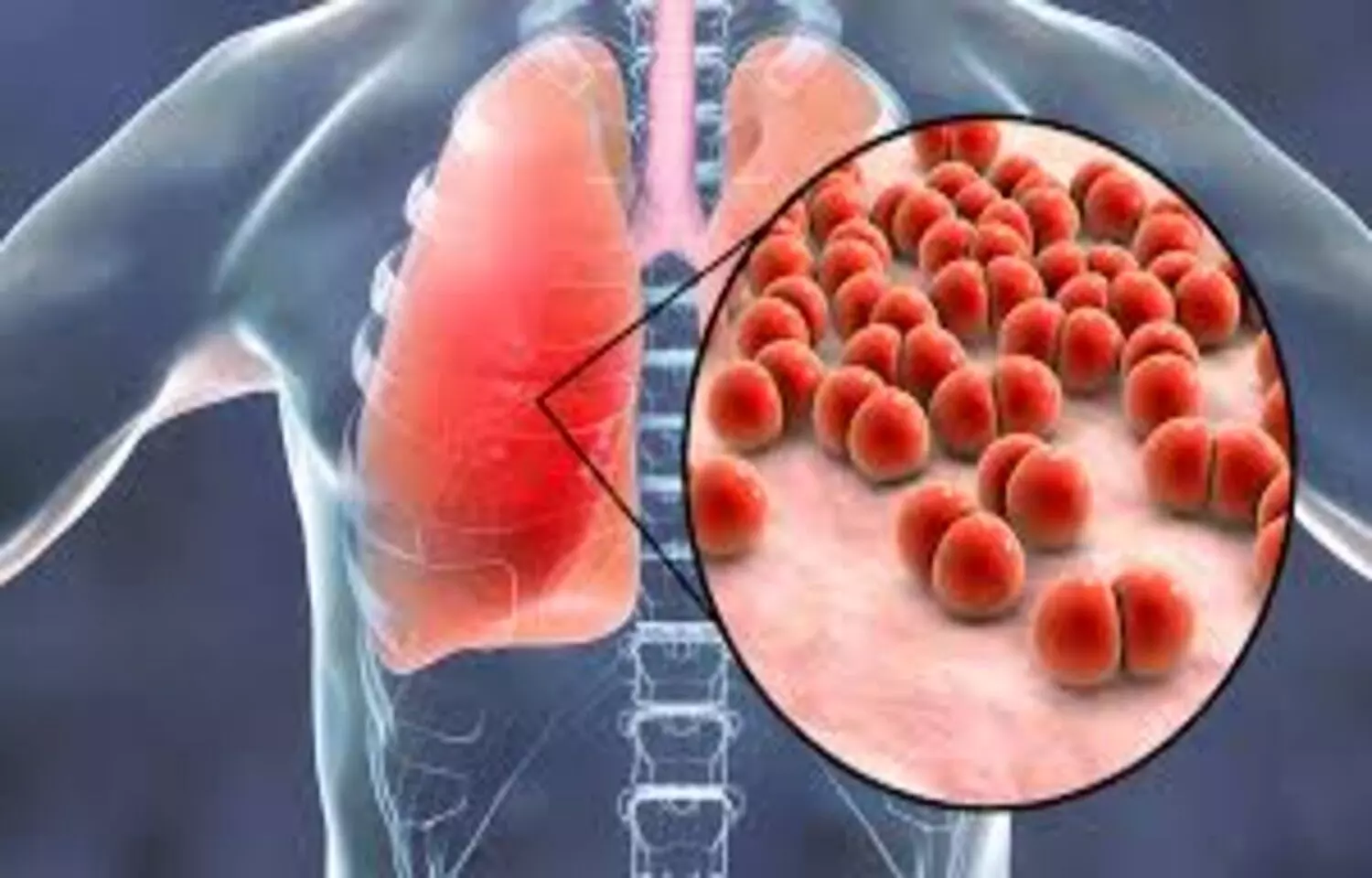


Researchers have found in a new study that reduced eosinophil counts at hospital admission in patients with community-acquired pneumonia (CAP) are associated with greater healthcare resource utilization, including increased need for ICU admission and mechanical ventilation.
These findings, from a multicenter prospective study, suggest that eosinophil levels may serve as a useful early marker for disease severity and resource planning.
Eosinopenia has been associated with adverse outcomes in community-acquired pneumonia (CAP). However, its relationship with hospital resource utilization remains unclear. This prospective multicenter cohort study (CAPNETZ; project number 2024-07-11-CHV6) has enrolled patients aged ≥18 years with CAP in university hospitals in Germany since 2017.
Associations between admission blood eosinophil counts and hospital resource utilization-including intensive care unit (ICU) admission, mechanical ventilation, and length of stay-were assessed using multivariable regression models. The optimal eosinophil count threshold for stratifying patients by ICU admission and mechanical ventilation rates was identified, and outcomes were compared between patients above and below this threshold.
Lower eosinophil counts at admission were associated with increased ICU admission (n=1,639; P < .001), including among patients treated with systemic glucocorticoids (P = .002) and those not receiving glucocorticoids (P = .047). Lower eosinophil counts were also associated with higher rates of mechanical ventilation (P = .014) and longer hospital stays (P = .024).
An eosinophil count threshold of 10 cells/μL was identified as the cut-off that best distinguished patients with higher versus lower risk of ICU admission and mechanical ventilation. Patients with eosinopenia (≤10 cells/μL) had higher ICU admission rates (14.2% vs. 8.5%; P < .001; adjusted odds ratio [OR], 1.78), increased mechanical ventilation rates (9.1% vs. 5.2%; P = .003; adjusted OR, 1.82), and longer hospitalization (mean 10.2 vs. 9.0 days; P = .013).
Admission eosinopenia (≤10 cells/μL) was associated with greater hospital resource utilization and may serve as a practical biomarker for healthcare resource planning.
Reference:
Weckler B, Wu Q, Bertrams W. Admission Eosinophil Count Is Associated with Hospital Resource Utilization in Community-Acquired Pneumonia: A Prospective Multicenter Study