
Low Vitamin D Levels Linked to Higher Mortality Despite Milder Illness in patients with Pneumonia: Study
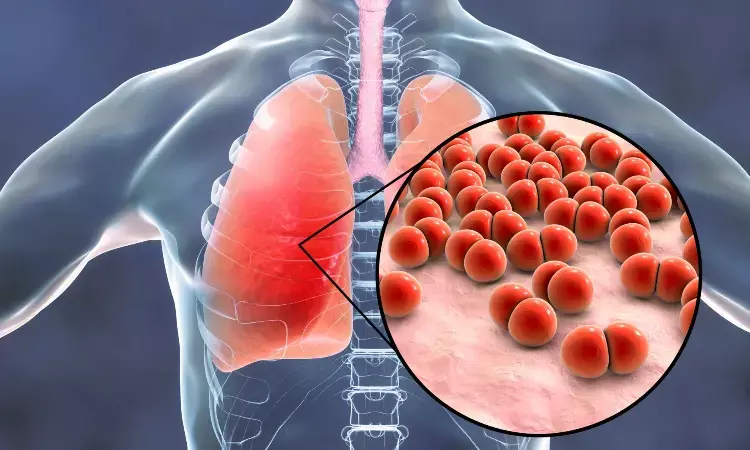


Pneumonia patients with vitamin D deficiency had a higher mortality risk, even though their disease severity at admission was milder. The findings suggest that Vitamin D deficiency may reflect poorer overall health and inadequate micronutrient status. Evidence indicates that maintaining serum 25(OH)D levels above 50 nmol/L may help reduce mortality risk, supporting the consideration of targeted micronutrient supplementation during acute conditions like CAP.
A deficient vitamin D status is linked to increased risk of community-acquired pneumonia (CAP) and both short- and long-term mortality. Given small sizes of previous studies and lack of adjustment for key confounders, we aimed to investigate the association between vitamin D status (sufficient, insufficiency, or deficiency) and mortality risk in adults hospitalized with CAP.
This study, nested within the Surviving Pneumonia Study at Copenhagen University Hospital—North Zealand, Denmark, included adults hospitalized with CAP between 2019 and 2022. Vitamin D status was assessed using serum 25(OH)D concentrations, categorizing participants as sufficient (≥50 nmol/L), insufficient (25–<50 nmol/L), or deficient (<25 nmol/L). Logistic regression was used to assess mortality risk. Covariates included age, sex, Charlson comorbidity index, CURB-65, smoking history, and BMI. Results: Among 514 participants, 29 (5.6%) and 130 (25.3%) had deficient and insufficient vitamin D status, respectively. Participants with deficient vitamin D status were younger, and more than 50% were current smokers.
Vitamin D deficiency was associated with higher 90-day (OR: 3.50, 95% CI 1.01; 12.21) and 180-day (OR: 3.27, 95% CI 1.04; 10.25) mortality risk compared with participants with sufficient vitamin D status, while no difference was observed between the sufficient and insufficient group. No differences were observed for in-hospital or 30-day mortality.
Participants with deficient vitamin D status were younger and faced higher mortality risk despite milder disease at admission. Given that vitamin D deficiency may relate to poorer health habits and low levels of other micronutrients, trials on tailored micronutrient supplementation during acute conditions like CAP could be considered. Reference: Maria Hein Hegelund, Sehrash Alam, Arnold Matovu Dungu, Camilla Koch Ryrsø, Daniel Faurholt-Jepsen, Rikke Krogh-Madsen, Tomas Oestergaard Jensen, Christian Mølgaard, Birgitte Lindegaard, Vitamin D Deficiency at Hospital Admission With Community-Acquired Pneumonia is Associated With Increased Risk of Mortality: A Prospective Cohort Study, Open Forum Infectious Diseases, Volume 12, Issue 12, December 2025, ofaf706, https://doi.org/10.1093/ofid/ofaf706 Keywords: Maria Hein Hegelund, Sehrash Alam, Arnold Matovu Dungu, Camilla Koch Ryrsø, Daniel Faurholt-Jepsen, Rikke Krogh-Madsen, Tomas Oestergaard Jensen, Christian Mølgaard, Birgitte Lindegaard, Vitamin D Deficiency, Hospital Admission, Community-Acquired, Pneumonia, Associated, Increased Risk, Mortality, community-acquired pneumonia, mortality, vitamin D deficiency, vitamin d deficiency, community acquired, pneumonia, adult, mortality, vitamin d


Next Story