Lung Transplant May Improve Early Survival in Selected Stage IV NSCLC: Study
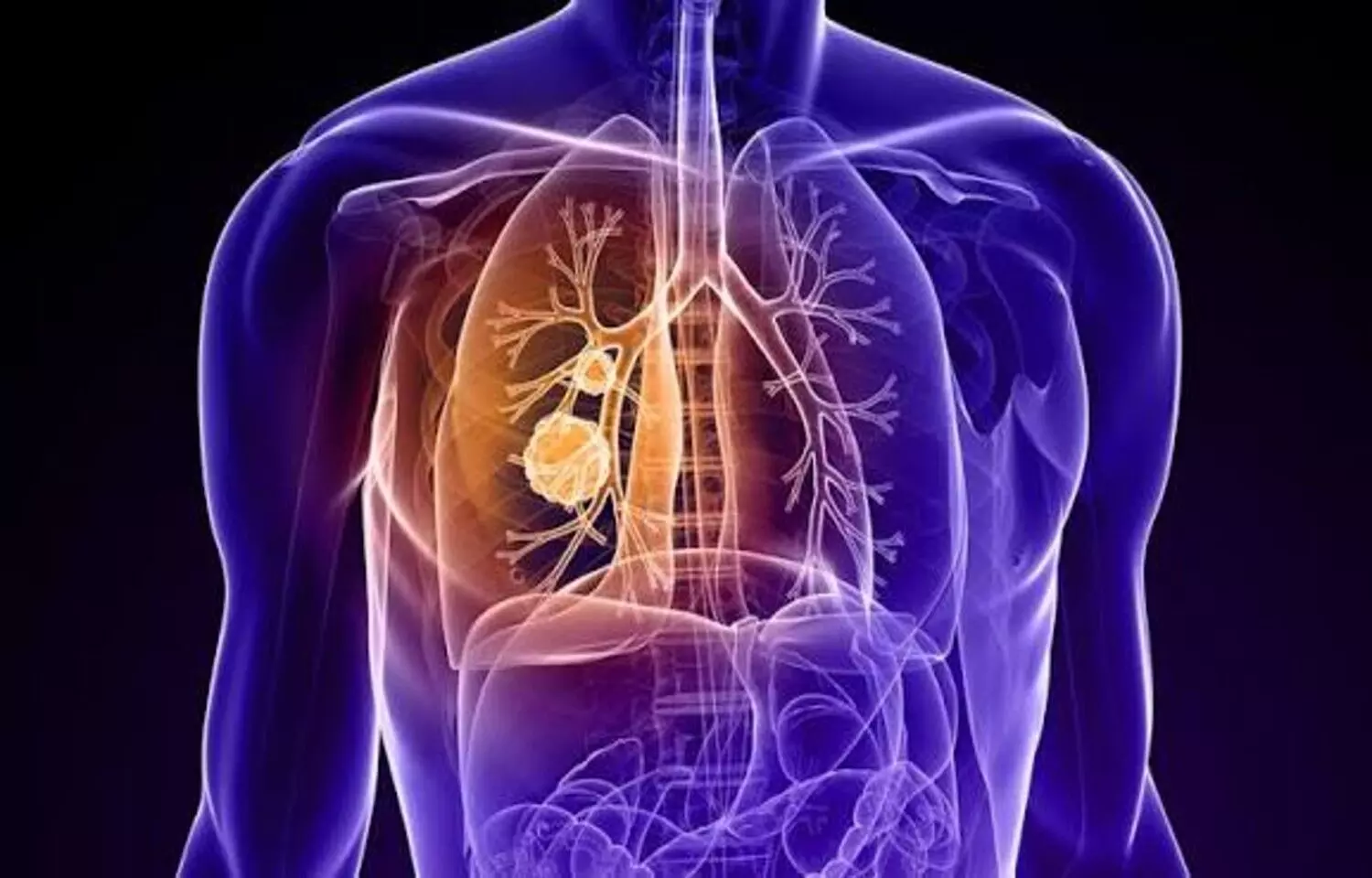


In carefully selected patients with stage IV non-small cell lung cancer (NSCLC) that remains confined to the lungs and causes refractory respiratory failure, lung transplantation was associated with better early overall survival compared with medical management alone. Longer-term survival and quality-of-life data are still needed.
Patients with medically refractory, lung-limited, stage IV non–small cell lung cancer (NSCLC) often die of progressive respiratory failure. Although lung transplant offers the possibility of organ-level disease extirpation, the surgery has historically not been offered to such patients due to concerns of poor oncological outcomes.
A study was done to describe outcomes among patients who underwent lung transplant and examine survival associated with lung transplant compared with medical management alone.
This prospective, single-center, registry study included 404 adults. Of 98 adults with medically refractory, lung-limited, stage IV NSCLC, 17 underwent lung transplant and 81 met transplant eligibility criteria but did not undergo transplant due to nonbiologic barriers and were treated with medical management alone. There were 306 adults without cancer who underwent lung transplant for end-stage pulmonary disease. All who underwent lung transplant had respiratory failure. The study was conducted from September 1, 2021, through June 30, 2025; the last day of extended follow-up was January 31, 2026.
The primary outcome was overall survival from eligibility evaluation completion in patients with NSCLC who underwent lung transplant vs those with NSCLC who were treated with medical management alone. The secondary outcome was 1-year posttransplant survival (organ stewardship comparison) in patients with NSCLC who underwent lung transplant vs those without cancer who underwent lung transplant.
Among the 98 patients with stage IV NSCLC, the median follow-up from eligibility evaluation completion through June 30, 2025, was 343 (IQR, 191-768) days for the 17 lung transplant recipients (median age, 61.0 [IQR, 48.0-64.0] years; 10 [59%] were women) and the median follow-up was 221 (IQR, 68-386) days for the 81 patients who received medical management alone (median age, 63.4 [IQR, 56.7-68.1] years; 42 [52%] were women).
Among the 306 lung transplant recipients without cancer, the median follow-up from transplant was 200 (IQR, 126-496) days (median age, 63.0 [IQR, 55.0-68.8] years; 112 [37%] were women). The Kaplan-Meier estimated 1-year overall survival was 100.0% (95% CI, 63.1%-100.0%) (0 deaths) among the lung transplant recipients with NSCLC vs 40.8% (95% CI, 29.6%-53.1%) (52 deaths) among those with NSCLC who received medical management alone (absolute difference, 59.2 [95% CI, 46.2-71.7] percentage points). The 1-year posttransplant survival was 100% (95% CI, 63.1%-100%) among patients with NSCLC vs 88.1% (95% CI, 83.7%-91.4%) among patients without cancer (absolute difference, 11.9 [90% CI, 9.1-15.5] percentage points). At the extended follow-up (January 31, 2026), 2 of the transplant recipients with stage IV NSCLC had died.
Among selected patients with medically refractory, lung-limited, stage IV NSCLC and respiratory failure who underwent lung transplant, early survival was favorable. Longer-term follow-up and quality-of-life assessment are needed.
Reference: