
Machine Learning Enhanced Lung Ultrasound May Accurately Detect CTD and ILD: Study
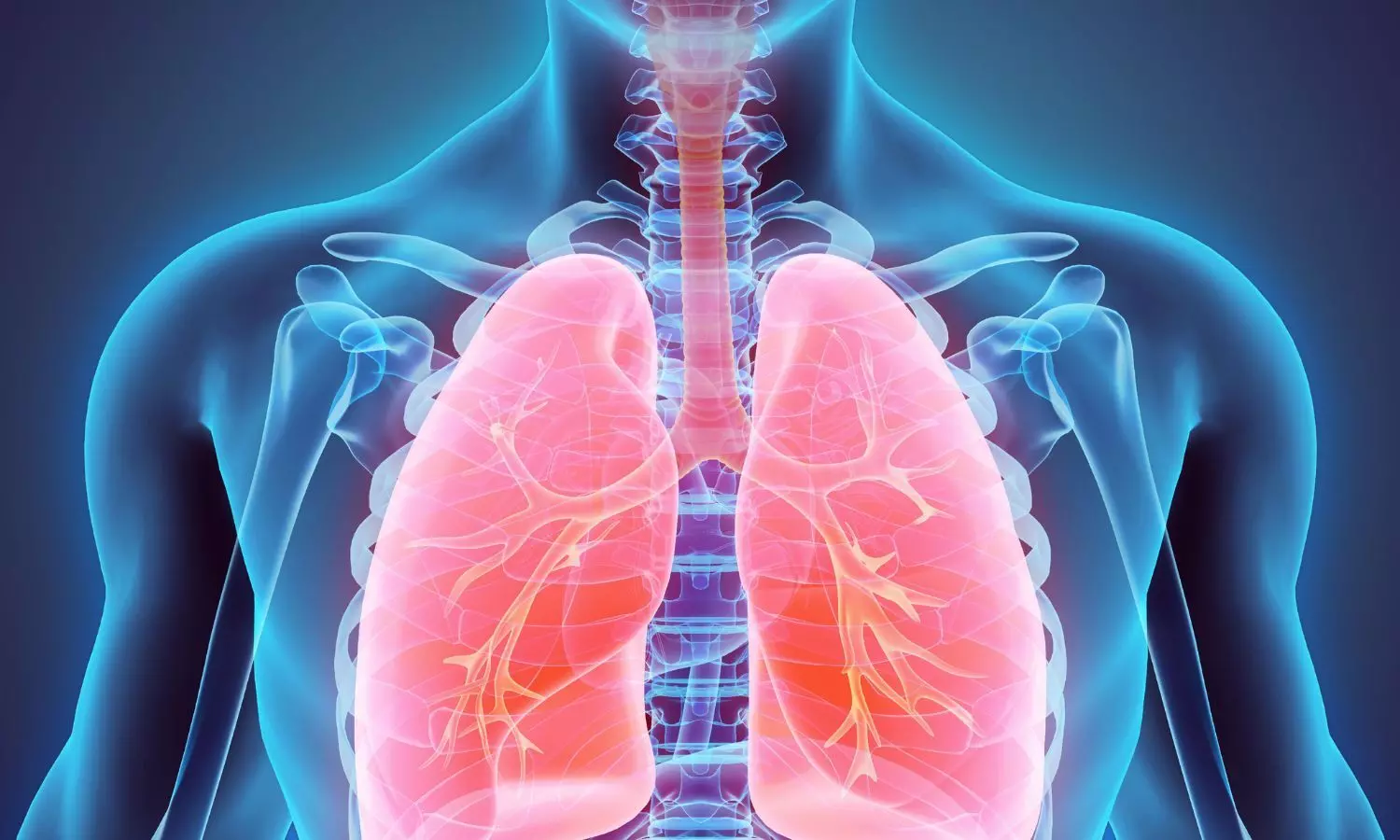


USA: Machine learning applied to lung ultrasound images can accurately detect interstitial lung disease in patients with connective tissue diseases such as systemic sclerosis and idiopathic inflammatory myopathy. This approach may improve diagnostic interpretation for physicians and radiologists, enhancing early detection and clinical decision-making.
A new study published in Arthritis Care & Research by Robert M. Fairchild and colleagues from Stanford University School of Medicine highlights the growing role of artificial intelligence (AI) in advancing non-invasive imaging techniques for lung disease. The research focused on integrating deep learning with lung ultrasound (LUS), a cost-effective and radiation-free imaging modality, to improve the detection of interstitial lung disease (ILD) in patients with connective tissue disorders.
The investigators analyzed data from 140 patients diagnosed with systemic sclerosis or idiopathic inflammatory myopathy, with and without ILD. A total of 3,920 lung ultrasound images were evaluated, alongside corresponding chest computed tomography (CT) scans, which served as the reference standard. The dataset was divided into development and independent test groups to ensure robust validation of the models.
To assess the potential of AI in this setting, the researchers employed multiple convolutional neural network (CNN) architectures, including InceptionV3, ResNet-50, and VGG-16, along with a newly developed lightweight model known as LUS-Net. These models were trained using transfer learning techniques, allowing them to adapt pre-existing image recognition capabilities to the specific task of ILD detection.
The study led to the following findings:
- Among the evaluated models, VGG-16 showed the best patient-level diagnostic performance.
- It achieved an area under the curve (AUC) of 0.972, with 97.4% sensitivity and 92.6% specificity.
- AI-based predictions demonstrated strong correlation with pulmonary function tests and CT-derived measures of disease severity.
- The models were able not only to detect interstitial lung disease (ILD) but also to reflect its clinical severity.
- Explainable AI methods were incorporated to better understand model decision-making.
- Gradient-weighted Class Activation Mapping (Grad-CAM) was used to identify the regions influencing predictions.
- Pleural abnormalities were identified as key features driving ILD detection.
- These features remained informative even when traditional markers like B-lines were less evident.
- The use of explainable AI may enhance clinician confidence in AI-assisted interpretations.
- Overall model performance was comparable to, and in some cases better than, expert-based ultrasound interpretation standards.
- Integration of AI with lung ultrasound has the potential to improve diagnostic accuracy and timeliness.
- This approach may be particularly beneficial in settings with limited access to advanced imaging such as CT scans.
Overall, the findings highlight the potential of deep learning to enhance the utility of lung ultrasound in connective tissue diseases. By combining accessibility with high diagnostic accuracy, AI-assisted LUS could become a valuable tool for early ILD detection and monitoring. Further research and real-world validation will be essential to translate these promising results into routine clinical practice.
Reference:
Fairchild, R. M., Deluna, M. D., Fazli, M., Mar, D. A., Chung, M., Davuluri, S., Kawano, Y., Guo, H., Baker, M. C., Fiorentino, D., Tamang, S., & Chung, L. Artificial Intelligence–Aided Lung Ultrasound Detection of Interstitial Lung Disease in Systemic Sclerosis and Inflammatory Myopathy. Arthritis Care & Research. https://doi.org/10.1002/acr.80054

Next Story