Pulmonary rehab reduces airway inflammation in high-FeNO asthma, suggests study
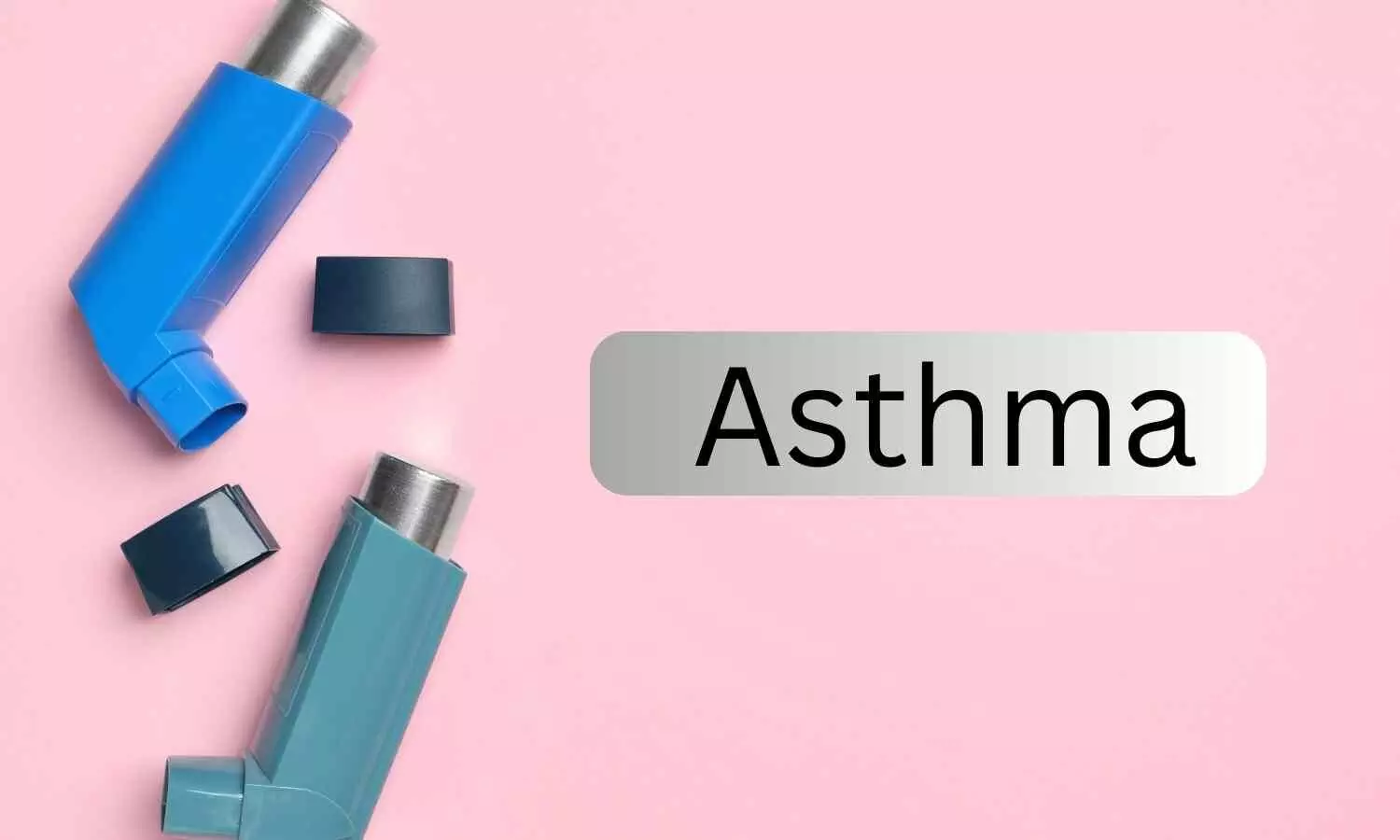


According to a new published study pulmonary rehabilitation (PR) significantly lowered Fractional exhaled nitric oxide (FeNO) levels in asthma patients with high baseline inflammation, a finding that underlines its anti-inflammatory role as an adjunct to medication. PR is widely recognized as a non-pharmacological intervention that enhances the control of asthma, physical performance, and quality of life in patients suffering from the disease. FeNO is a validated biomarker of type 2 airway inflammation and is increasingly used to guide treatment decisions in asthma. The study was published in the Journal of Asthma and Allergy by Rainer G. and colleagues.
This prospective single-center study investigated asthma patients who were enrolled in a comprehensive three-week inpatient pulmonary rehabilitation program. The observation period was 15 consecutive days with three daily FeNO measurements to capture both diurnal variations and longitudinal trends. Sixty-two patients with confirmed asthma were included and divided into three groups according to baseline FeNO levels: low (<25 ppb), intermediate (25–50 ppb), and high (>50 ppb). Besides the daily monitoring of FeNO, at the beginning and end of PR, all patients underwent evaluation for asthma control, parameters of pulmonary function, blood eosinophil counts, and exercise capacity. FeNO measurements were taken in the morning, noon, and evening to assess diurnal variations and monitor dynamic changes throughout the PR period.
Key Findings
• Pulmonary rehabilitation had a differential, subgroup-specific effect on airway inflammation and functional outcome.
• Those with high baseline FeNO (n = 22) demonstrated a significant 40% reduction in FeNO levels (93 ± 29 ppb pre-rehabilitation to 56 ± 27 ppb post-rehabilitation, p < 0.001), independent of medication changes.
• In contrast, patients in the low FeNO group did not demonstrate a significant change (17 ± 8 ppb to 16 ± 10 ppb) and the intermediate group also remained largely stable (39 ± 12 ppb to 30 ± 10 ppb).
• Improvement in asthma control and exercise capacity occurred across all subjects, although the most marked gains were seen in those patients with initially high FeNO values.
Pulmonary rehabilitation reduced FeNO significantly only in asthma patients with high baseline values, showing a definite anti-inflammatory impact independent of pharmacological therapy. Functional improvement was found in all patients; however, the reduction in FeNO documented in this study reinforces the need to consider PR in patients where biomarkers of inflammation are high.
Reference:
Gloeckl, R., Kroll, D., Abdulleyev, G., Schneeberger, T., Jarosch, I., Nell, C., & Koczulla, A. R. (2025). Pulmonary Rehabilitation Reduces Airway Inflammation in Asthma Patients with High FeNO Levels. Journal of Asthma and Allergy, 18, 1651–1660.https://doi.org/10.2147/JAA.S555317