Remimazolam Safer Alternative Than Propofol for Elderly Undergoing Deep Sedation During Bronchoscopy: Study
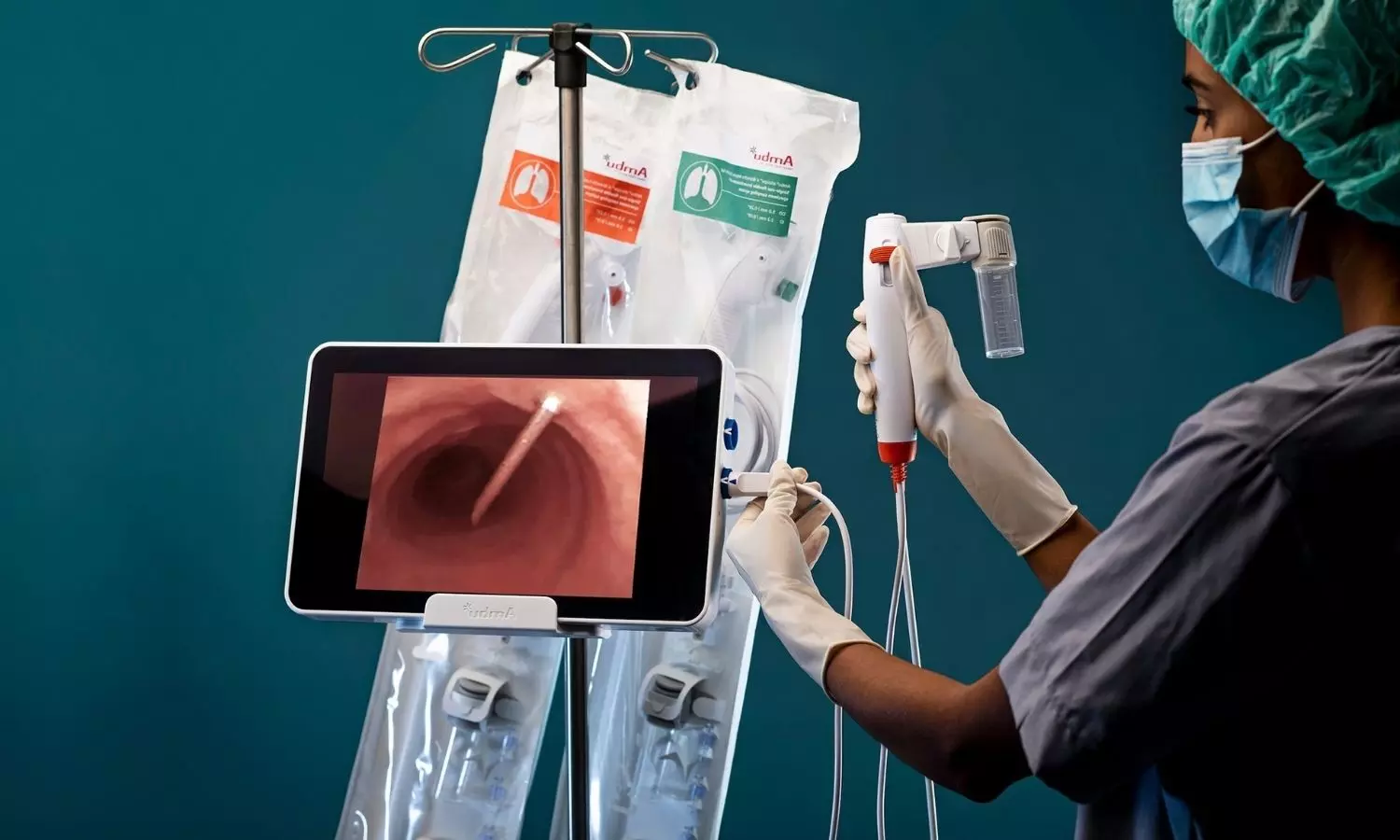


Rethinking Sedation for Seniors
Flexible fiberoptic bronchoscopy (FFB) is a vital procedure for diagnosing and treating respiratory diseases, but deep sedation—especially in elderly patients—can pose serious risks. Propofol is the traditional sedative of choice but is known for causing respiratory and cardiovascular complications in older adults. Remimazolam, a new ultrashort-acting sedative, is gaining attention for its safety profile, but its role in deep sedation during FFB for the elderly has not been thoroughly assessed—until this recent study.
Methodology: A Rigorous, Head-to-Head Comparison
Researchers conducted a prospective, randomized controlled trial involving 66 elderly patients (aged 65–80) scheduled for FFB. Participants were randomly assigned to receive either remimazolam or propofol, both with alfentanil for pain management. Deep sedation was maintained and monitored throughout the procedure, with hypoxemia (low blood oxygen) serving as the primary outcome. Secondary outcomes included cardiovascular stability, pain on injection, and overall sedation effectiveness.
Key Findings: Remimazolam Delivers Superior Safety
The study’s results were compelling:
Significantly Lower Hypoxemia: Only 9.1% of remimazolam patients experienced hypoxemia, compared to 45.5% in the propofol group.
Enhanced Cardiovascular Stability: Patients receiving remimazolam had higher minimum oxygen saturation and mean arterial pressure, with less dramatic drops in blood pressure and heart rate.
Pain-Free Injections: None of the remimazolam patients reported injection pain, unlike over a quarter of those receiving propofol.
Equivalent Sedation Success: Both drugs were nearly identical in sedation effectiveness, with most patients successfully sedated on the first dose.
Why It Matters: Changing the Standard of Care
This study indicates that remimazolam not only matches propofol’s effectiveness for deep sedation but also offers a much safer profile for elderly patients. With the elderly more susceptible to sedation complications, remimazolam’s rapid onset, quick recovery, and minimal side effects could help redefine best practices in procedural sedation for this group.
Limitations and Next Steps
While promising, the study’s single-center design, subjective sedation monitoring, and focus on relatively healthy elderly patients (mostly ASA II) call for larger, multicenter trials and more objective depth-of-sedation assessments to validate and expand these findings.
Key Takeaways:
Remimazolam greatly reduces the risk of hypoxemia and hypotension versus propofol during deep sedation for FFB in the elderly.
Cardiovascular stability and patient comfort are improved with remimazolam.
Both drugs are equally effective for deep sedation.
No intraoperative awareness occurred in either group.
Remimazolam could soon be the preferred sedative for elderly patients needing bronchoscopy.
Citation:
Luo P, Wu J, Lan H, Xu Q, Duan G. Safety of remimazolam in deep sedation during flexible fiberoptic bronchoscopy: a prospective, randomized controlled trial. BMC Anesthesiology. 2025;25:246. https://doi.org/10.1186/s12871-025-03117-8