Sarcopenia and low Muscle Strength Linked to Lung Function Decline, suggests study
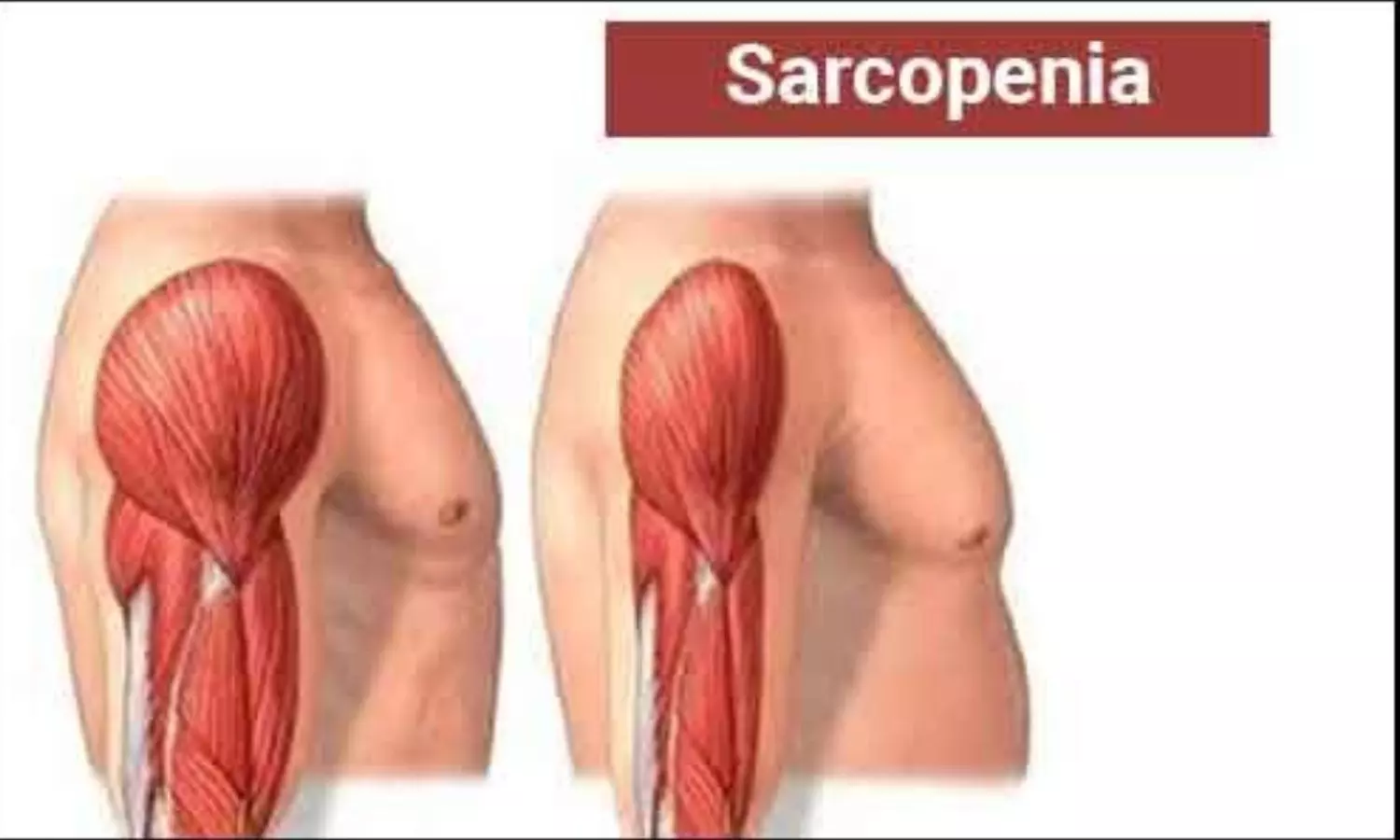


Researchers have found in a new study that Sarcopenia was associated with poorer peak expiratory flow (PEF) and low muscle strength showed the strongest and most consistent association with subsequent declines in PEF over time. The findings highlight the potential importance of preserving muscle strength to support respiratory health in middle-aged and older adults. The study was published in BMC Pulmonary Medicine by Fengjuan Hu and colleagues.
In order to explore the cross-sectional association and the longitudinal trend rigorously, data were obtained from 2011 and 2015 waves of the China Health and Retirement Longitudinal Study (CHARLS). In the case of the definition of sarcopenia and its component structures, the criteria that was adopted followed that from the Asian Working Group for Sarcopenia (AWGS) 2019 definition. For the assessment of the cross-sectional associations, the relationship between the status of sarcopenia, baseline PEF measurements, and risk of SAL were evaluated in a sample of 9,452 individuals aged middle-aged and above Chinese adults using multivariate logistic and linear regression analyses.
As for the longitudinal study, the sample of 4,804 participants was selected to evaluate the change during the multi-year period using multivariate logistic regression analyses of how baseline sarcopenia components predicted airflow limitation and reduction in percentage of predicted peak expiratory flow (PEF% predicted).
Key findings:
- Individuals with sarcopenia showed increased likelihood of airflow limitation (OR = 1.41; 95% CI: 1.20–1.65), while individuals with severe sarcopenia had higher odds of airflow limitation (OR = 1.56; 95% CI: 1.26–1.94).
- The 4-year follow-up study was successful in following a selected sub-cohort of 4,804 individuals with regard to development of respiratory dysfunction.
- Participants showing poor muscle strength at the baseline were at an increased risk for new-onset severe airflow limitation (OR = 1.54; 95% CI: 1.20–1.98).
- Poor muscle strength was associated with 56% to 64% increased risk for the decline in PEF% predicted at different clinical cut-offs.
- Severe sarcopenia and poor muscle strength in particular were associated with increased risk of decline in PEF% predicted in a moderate to severe form during a 4-year follow-up period.
Sarcopenia was found to be linked to worse cross-sectional PEF results while muscle weakness had the strongest association with future PEF deterioration. The powerful longitudinal data presented are the key to the empirical base of contemporary geriatrics medicine and demonstrate that preserving the respiratory function in old age is impossible without retaining physical and muscular strength.
Reference:
Hu, F., Zhang, G., Liu, H. et al. The association between sarcopenia and peak expiratory flow decline in middle-aged and older adults: a nationwide cross-sectional and longitudinal study in China. BMC Pulm Med (2026). https://doi.org/10.1186/s12890-026-04451-4