Study Indicates Pre-Surgery OSA Screening May Help Prevent Complications, suggests research
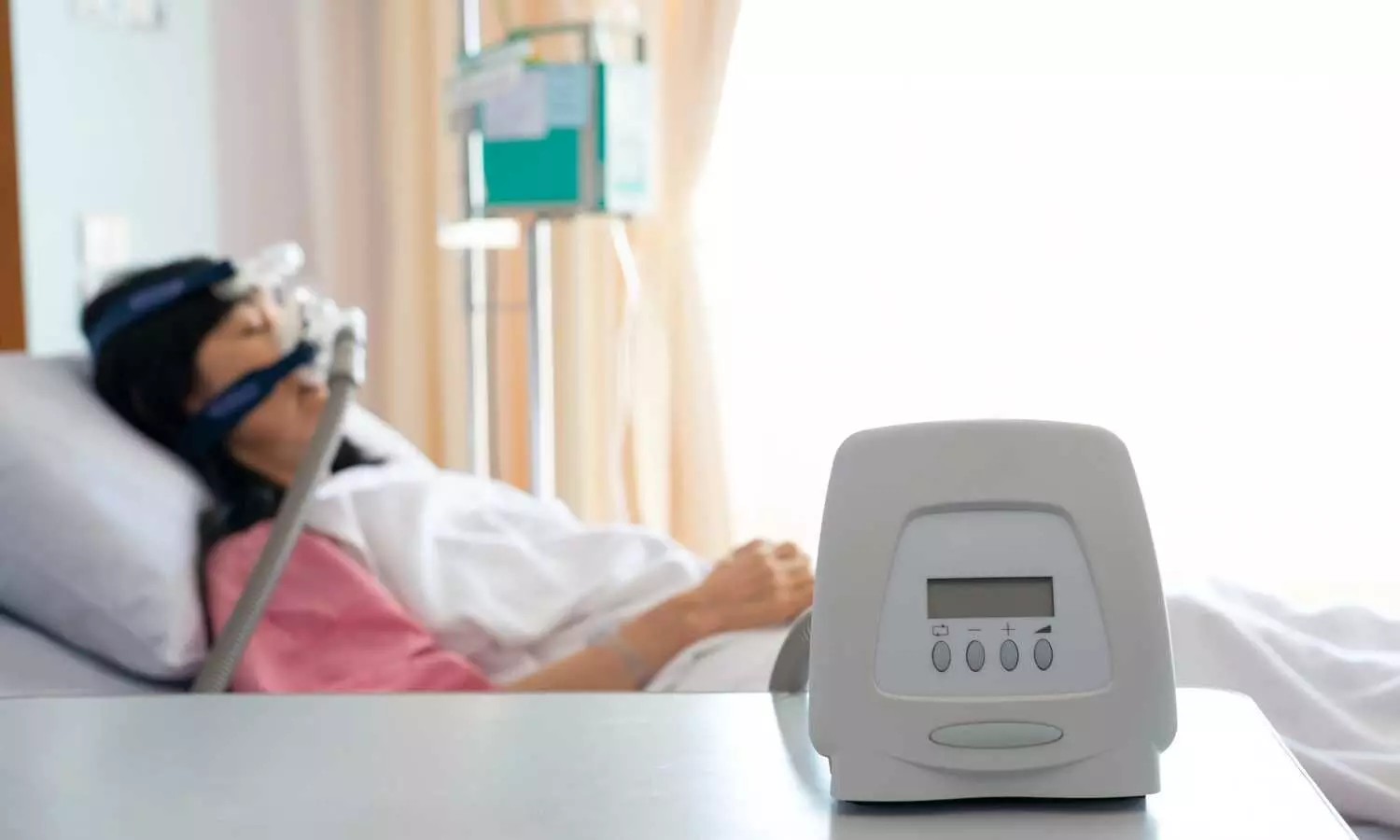


The Overlooked Surgical Risk: Obstructive Sleep Apnea
Obstructive sleep apnea (OSA) is more than just a nightly nuisance-it's a hidden risk lurking behind many surgical complications. Despite its high prevalence, up to 70% of surgical patients with OSA remain undiagnosed, putting them at greater risk for respiratory and cardiovascular problems after surgery.
Screening for Danger: STOP-Bang vs. Step-2
A new study published in BMC Anesthesiology set out to compare two widely used OSA screening tools—the STOP-Bang questionnaire and the Step-2 algorithm—to see how well they predict postoperative complications. Researchers analyzed data from 4,292 adult patients who underwent elective, non-cardiac surgery. Each patient was screened with both tools before surgery and then monitored for major postoperative complications and length of hospital stay.
What Did the Study Find?
The results were striking: patients identified as high-risk for OSA by either screening tool had a significantly greater chance of developing major postoperative complications compared to those at low risk. In numbers:
Odds of complications were up to 2.17 times higher in high-risk groups.
Prolonged hospital stays (over 7 days) were more common among high-risk patients.
Both the STOP-Bang and Step-2 scores performed similarly in predicting these risks—no significant difference was found between the two.
High-risk patients were older, had higher body mass indexes, and more comorbidities, all of which compounded their postoperative risk.
Why Does This Matter?
This research underscores the vital importance of structured OSA screening in surgical patients. Identifying those at risk before they go under the knife means clinicians can plan for extra monitoring, adapt anesthesia and pain management, and ultimately help prevent serious complications.
Even more importantly, the findings support using either the STOP-Bang or Step-2 tools for effective risk stratification, making it easier for hospitals worldwide to adopt these practices and potentially improve patient outcomes.
Key Takeaways
High-risk OSA patients have double the risk of major post-surgical complications.
Both STOP-Bang and Step-2 tools are equally effective at predicting these risks.
Prolonged hospital stays are more likely for high-risk OSA patients.
Early screening enables tailored care and better safety for surgical patients.
Routine use of OSA screening tools is recommended for adult surgical candidates.
Citation:
Roesslein M., Ortiz-Lucas P., Buerkle H., Loop T., Semmelmann A. Obstructive sleep apnea (OSA) screening and risk of postoperative complications in adult surgical patients: differences between the STOP-Bang and Step-2 scoring strategy. BMC Anesthesiology (2026) 26:301. https://doi.org/10.1186/s12871-026-03900-1