HSP-70 may Predict Vasoactive-Inotropic Needs After Cardiopulmonary Bypass, reveals research
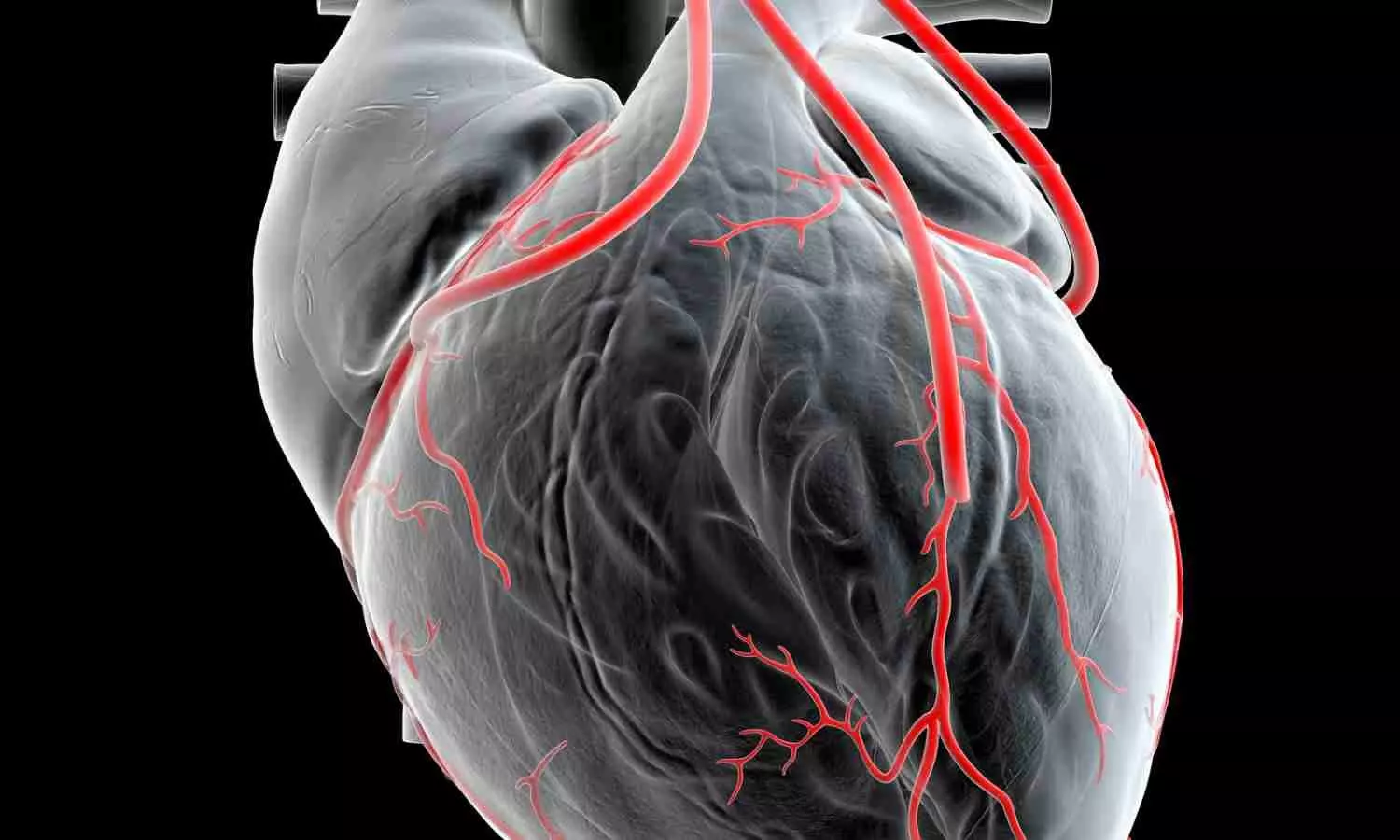


Is your post-CABG patient’s early myocardial dysfunction driven more by inflammation, oxidative stress, or something else entirely? Recent evidence suggests a shift in focus—from classic markers of inflammation to the pivotal role of cellular stress.
Understanding the Study Design
This prospective cohort study, published in the Annals of Cardiac Anaesthesia, enrolled 52 adults undergoing elective coronary artery bypass grafting (CABG) with preserved ejection fraction. Researchers measured three biomarkers before and six hours after cardiopulmonary bypass (CPB): tumor necrosis factor-alpha (TNF-α, a marker of inflammation), hydroxyl radical scavenging capacity (reflecting oxidative stress), and heat shock protein-70 (HSP-70, a marker of cellular stress). These were correlated to early postoperative myocardial contractility, arterial stiffness (elastance), and the need for vasoactive–inotropic support.
Key Findings: Not All Stress Is Created Equal
The data revealed a surprising pattern. Neither TNF-α nor oxidative stress (as measured by hydroxyl scavenging) had a meaningful association with changes in cardiac function or support requirements in the immediate post-CPB period. In contrast, elevated HSP-70 levels were significantly linked to reduced early myocardial contractility (as measured by dP/dtmax) and increased vasoactive–inotropic score (VIS). In plain language, patients with higher cellular stress after surgery needed more hemodynamic support and showed greater impairment in heart muscle contraction.
Unpacking the Biomarkers
HSP-70 is a “heat shock” protein produced in response to cellular stress, such as ischemia or reperfusion injury. While it helps protect cells, a rapid surge post-CPB may indicate damage-associated molecular patterns (DAMPs)—signals of cell injury that can paradoxically lead to transient myocardial depression.
TNF-α is a proinflammatory cytokine, but its plasma levels peak and fall quickly. The study’s 6-hour window may have missed its maximal impact.
Hydroxyl radical scavenging capacity reflects the body’s ability to neutralize damaging oxidative molecules, but higher or lower levels did not correlate with cardiac function in this setting.
Clinical Implications: Why This Matters
For clinicians, these findings highlight that cellular stress responses, not just inflammation or oxidative stress, may be key drivers of early myocardial dysfunction and greater inotrope/vasopressor requirements after CABG. Monitoring markers like HSP-70 could help identify patients at risk for transient contractile impairment and guide more tailored postoperative support.
Limitations to Consider
This single-center study focused on patients with preserved systolic function and sampled biomarkers at a single early postoperative time point. The findings may not generalize to all CABG populations or reflect late hemodynamic changes.
Conclusion
Early myocardial dysfunction after CPB appears more closely linked to the cellular stress response than to classic inflammatory or oxidative pathways. Recognizing the role of HSP-70 may enhance postoperative assessment and management for CABG patients.
Key Points
HSP-70 elevation after CABG correlates with reduced early myocardial contractility and higher vasoactive–inotropic needs.
TNF-α and oxidative stress markers were not significantly associated with early hemodynamic outcomes.
Cellular stress may serve as a more sensitive marker for post-CPB cardiac dysfunction than inflammation or oxidative stress alone.
Monitoring HSP-70 could help identify patients at risk for transient postoperative cardiac impairment.
Clinical protocols may benefit from addressing cellular stress in addition to standard anti-inflammatory and antioxidant strategies.
Citation:
Husain TA, Putranto JN, Setiawan P, Rehatta NM, Perdhana F, Kowara Y. Another marker of inflammation and oxidative stress and its impact on myocardial function, arterial elastance, and vasoactive–inotropic score after coronary revascularization surgery: A prospective cohort study. Ann Card Anaesth 2026;29:359-66. DOI: 10.4103/aca.aca_34_26