i-gel Plus Delivers Superior Airway Seal in Obese Surgical Patients, Suggests RCT
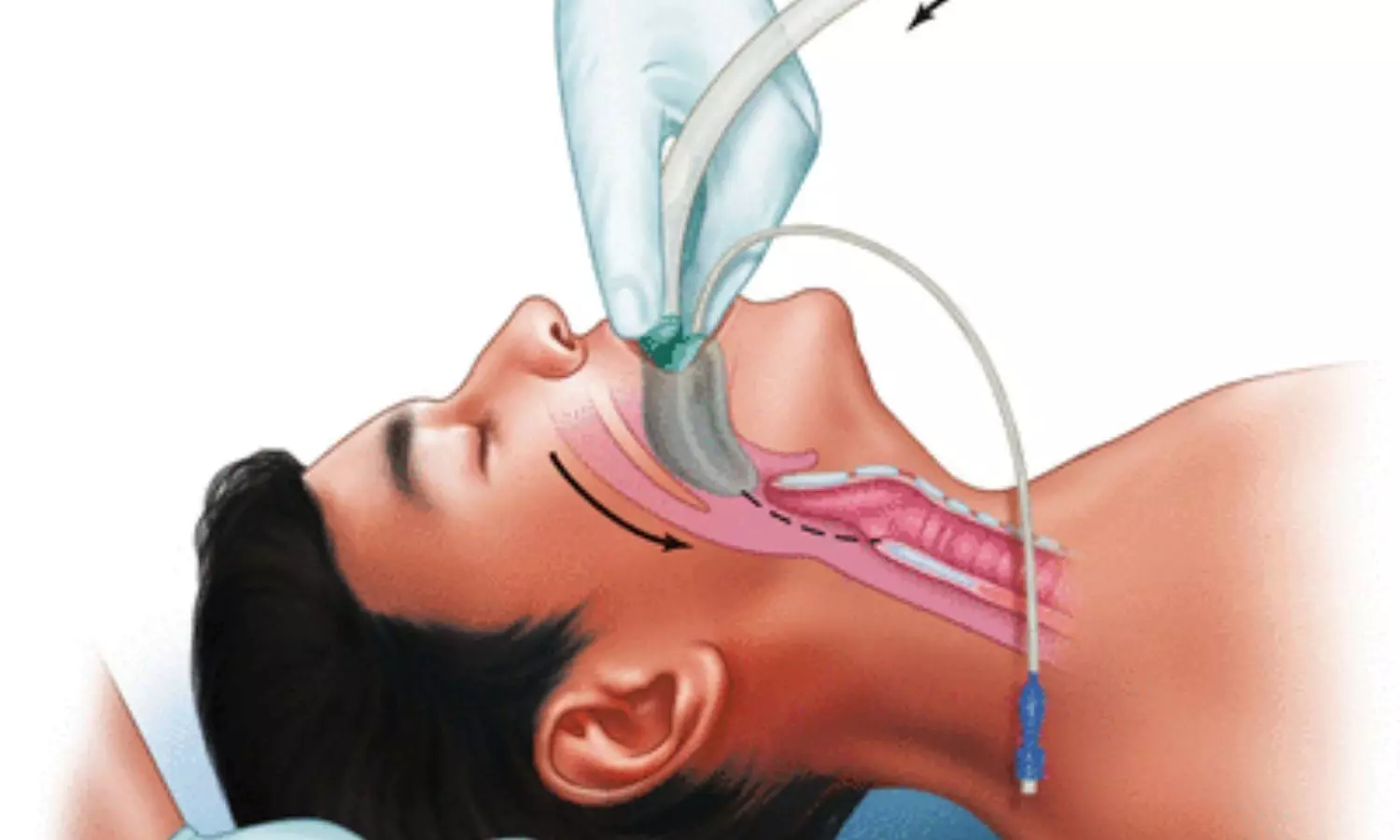


A recent randomized controlled trial published in the Indian Journal of Anaesthesia in May 2026 demonstrates that the i-gel Plus supraglottic airway achieves a significantly higher oropharyngeal leak pressure of 34.57 cm H₂O compared to 27.67 cm H₂O with standard i-gel in obese surgical patients. This provides a crucial 6.90 cm H₂O ventilatory safety margin during elective procedures.
Although supraglottic airway devices (SAD) like standard i-gel are widely used, obesity presents distinct anatomical and physiological challenges, and while preliminary bench research indicated superior sealing for i-gel Plus (i-gelP), clinical evidence in obese populations remained absent. To address this clinical gap, Dr. Rati Prabha and colleagues from the Department of Anaesthesiology at King George’s Medical University, Lucknow, India, conducted a trial comparing the clinical performance of i-gel and i-gelP during perioperative airway management in obese patients undergoing elective surgery.
Therefore, the prospective, randomized trial evaluated 76 adult obese surgical patients (body mass index [BMI] ≥30 kg/m²) assigned 1:1 to standard i-gel or i-gel Plus. The primary outcome was oropharyngeal leak pressure (OLP), alongside secondary endpoints including insertion success, placement time, glottic view, leak fraction, and 24-hour complications.
Key clinical findings of the trial include:
- Superior Airway Seal: Researchers demonstrated that mean OLP was significantly higher with i-gelP at 34.57 ± 2.85 cm H2O versus 27.67 ± 2.88 cm H₂O for standard i-gel (P < 0.001).
- High Placement Success: Trialists noted similar first-attempt insertion success between i-gelP (97.30%) and i-gel (94.44%, P = 0.615), with comparable overall success (97.37% vs. 94.74%, P = 1.000).
- Rapid Insertion Time: Investigators recorded equivalent mean placement times between i-gelP (31.86 ± 2.41 s) and i-gel (31.75 ± 2.74 s, P = 0.849), alongside similar 100 mm VAS ease scores (85.59 ± 11.25 mm vs. 83.11 ± 11.58 mm, P = 0.356).
- Optimal Glottic View: Authors observed similar median POGO scores between i-gelP (89.00%) and i-gel (87.00%, P = 0.841), with minimal median LFs (6.60% vs. 6.75%, P = 0.773).
- Minimal Complications: Evaluators reported low 24-hour post-operative adverse events between groups, including sore throat (10.81% vs. 5.56%, P = 0.350), hoarseness, cough, and dysphagia.
The results suggest that i-gelP is superior to i-gel for airway management in obese surgical patients, achieving a higher mean oropharyngeal leak pressure of 34.57 cm H₂O compared to 27.67 cm H₂O. Consequently, the modified device provides an enhanced ventilatory safety margin while maintaining equivalent insertion success and procedural speed.
Thus, the study concludes that clinicians managing obese surgical candidates can consider utilizing the i-gelP to achieve a higher airway leak threshold during mechanical ventilation without compromising placement speed or patient safety.
Although limited by a single-center setting, unblinded operators, and inclusion primarily of class I obesity, future multi-center trials in severe obesity could further confirm whether elevated leak pressures yield distinct clinical benefits.
Reference
Prabha R, Raman R, Shaikh FZ, Gautam S, Siddiqui AK, Khan MP. Clinical performance of i-gel and i-gel Plus for airway management of obese patients: A prospective randomised controlled trial. Indian J Anaesth 2026;70:638-44.