
Longer Antibiotic Courses Do Not Improve Outcomes in Acute Spinal Implant Infections: Study
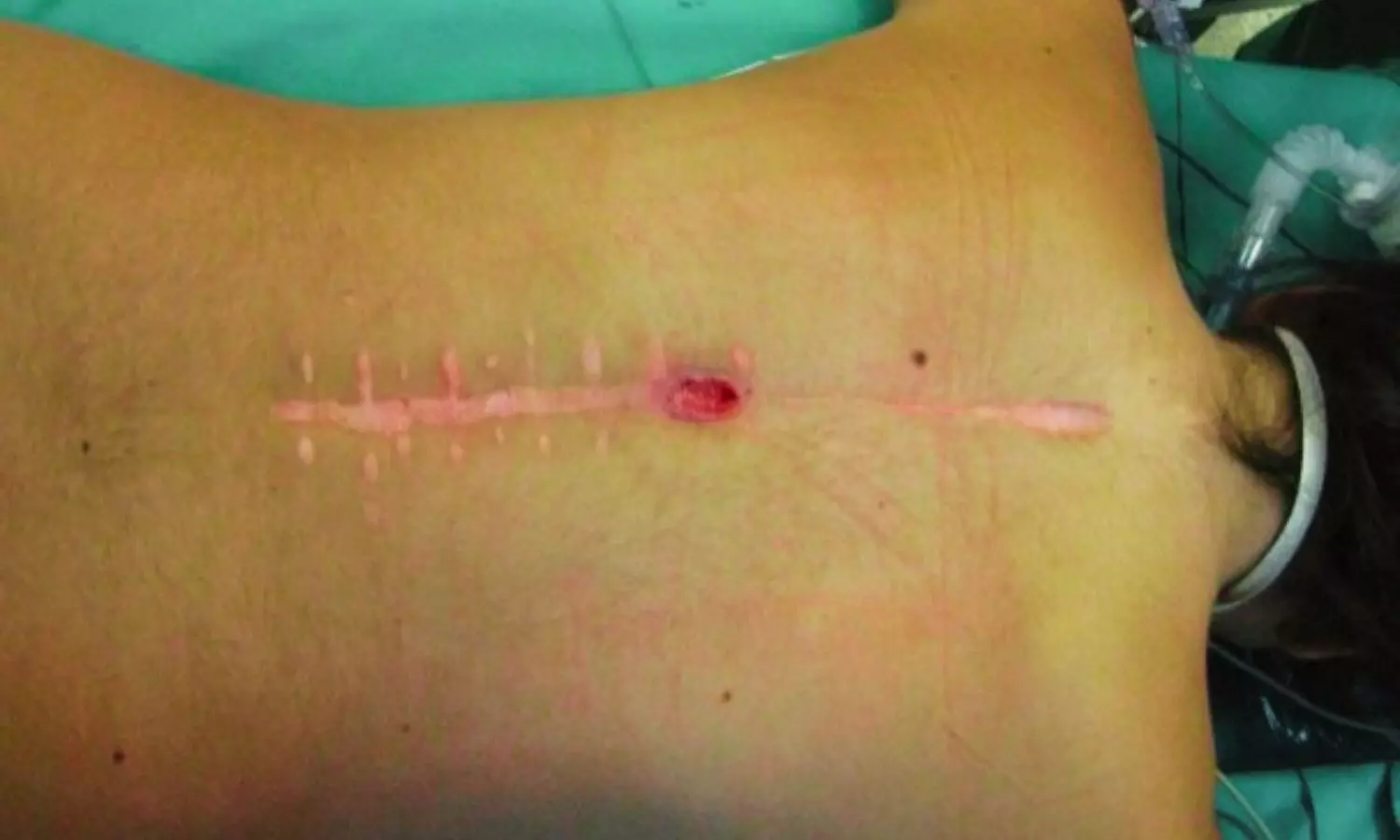


USA: A study published in Clinical Infectious Diseases found that extending the duration of antibiotic therapy after debridement, antibiotics, and implant retention (DAIR) for acute postoperative spinal implant infections (PSIIs) does not significantly lower the risk of treatment failure. Researchers observed that patients who received longer courses of antibiotics did not experience better outcomes compared with those treated for shorter durations.
These findings suggest that prolonged antibiotic use may not provide additional clinical benefit following successful surgical debridement and implant retention, supporting a more individualized approach to antibiotic therapy while potentially reducing unnecessary drug exposure, adverse effects, and the risk of antimicrobial resistance.
The study was led by Don Bambino Geno Tai from the University of Minnesota and involved investigators from multiple academic medical centers across the United States.
Postoperative spinal implant infections (PSIIs) are serious complications of spinal fusion surgery and are commonly managed with debridement, antibiotics, and implant retention (DAIR). However, the optimal duration of antibiotic therapy after DAIR remains unclear.
To investigate this, researchers conducted a multicenter retrospective cohort study across 10 U.S. academic centers, including adults who developed early PSII within 90 days of spinal fusion surgery between 2017 and 2021. Patients who experienced treatment failure within six weeks of debridement were excluded.
The primary outcome was treatment failure. Researchers assessed the relationship between antibiotic duration and treatment outcomes using adjusted statistical models and compared treatment durations of 12 weeks or less with those exceeding 12 weeks.
The study led to the following findings:
- Of the 499 eligible patients, 116 (23.2%) experienced treatment failure during a median follow-up of 3.2 years.
- Among patients who remained free of treatment failure for the first six weeks after debridement, continued antibiotic therapy was not significantly associated with a lower risk of subsequent treatment failure.
- Analysis of 359 patients who were not receiving indefinite suppressive antibiotic therapy showed that antibiotic courses longer than 12 weeks did not reduce the risk of treatment failure compared with treatment durations of 12 weeks or less.
- Extended antibiotic therapy beyond 12 weeks offered no significant advantage in improving clinical outcomes.
- Sensitivity analyses yielded similar results, supporting the robustness and consistency of the findings.
The investigators concluded that prolonged antibiotic therapy did not improve outcomes in patients with early postoperative spinal implant infections treated with debridement and implant retention. The findings support shorter, individualized antibiotic courses in patients with adequate surgical source control.
The results further suggest that extending antibiotic treatment may not provide additional clinical benefit and that personalized treatment durations could help reduce drug-related adverse effects while promoting antimicrobial stewardship.
Reference:
Tai, D. B., Poehlein, E., C, J., Nelson, S. B., Tande, A. J., Corvino, D. D., Ritter, A. S., Aronson, J., Certain, L., Furukawa, D., Tatara, A. M., Green, C. L., Abdalla, T., Fleece, M. E., Tobert, D. G., Erickson, M., Seidelman, J., Team, S., Chan, J. L., . . . Roth, S. G. Antibiotic Duration After Debridement and Implant Retention for Early Postoperative Spinal Implant Infections: A Multicenter Cohort Study. Clinical Infectious Diseases. https://doi.org/10.1093/cid/ciag300

Next Story