New Evidence Shows 2025 ACC/AHA ACS Guidelines Bring Key Changes for Perioperative Practice
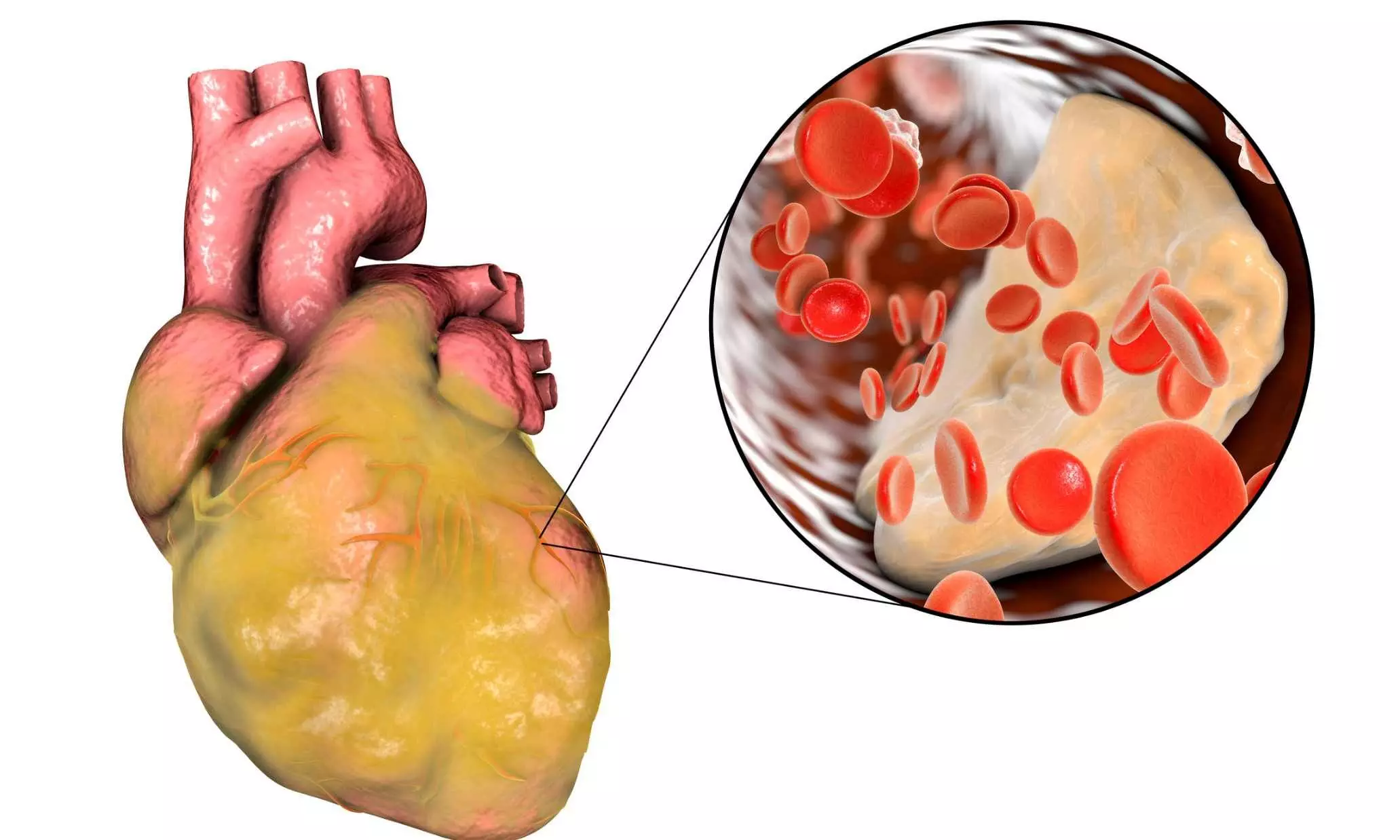



Are you up to speed on the latest changes in acute coronary syndrome (ACS) management? The 2025 ACC/AHA guideline offers major updates that directly impact anesthesiologists and perioperative teams. With ACS affecting nearly 800,000 patients annually in the U.S. and significant advances in both outcomes and therapies, staying current is essential for safe, evidence-based care. Here’s what you need to know.
Overview: What’s New in ACS Definitions and Classifications
The 2025 guideline clarifies ACS as a spectrum—from unstable angina to non-ST elevation MI (NSTEMI) and ST elevation MI (STEMI). Diagnosis depends on clinical history, ECG, and cardiac troponin (cTn) levels. Notably, patients with NSTE-ACS can still sustain significant myocardial damage, further complicating treatment urgency and decisions.
Initial Evaluation and Prehospital Care
Rapid ECG: All suspected ACS patients should receive an ECG within 10 minutes of arrival. Serial ECGs are advised for high-risk or initially negative patients, as up to 15% of STEMIs are missed on the first ECG.
Direct Transport: When possible, patients should be taken directly to a PCI-capable center—reducing time to reperfusion and improving outcomes. Prehospital activation of the cath lab and bypassing the ED are now recommended strategies.
Medical and Procedural Management Updates
Oxygen Therapy: Supplemental oxygen is now reserved only for patients with SpO₂ <90%. Routine oxygen for normoxemic patients shows no benefit and may even cause harm.
Analgesia: No specific analgesic is preferred, but the focus should be on treating ischemia rather than symptom relief alone.
Anticoagulation and Antiplatelet Therapy: Unfractionated heparin remains first-line for PCI; bivalirudin is an alternative, especially with heparin-induced thrombocytopenia. All ACS patients should receive a loading dose of aspirin and a P2Y12 inhibitor, continued after PCI or CABG according to updated timing recommendations.
Radial Access for PCI: The guideline now strongly recommends the radial artery approach over femoral access due to reduced bleeding and improved patient outcomes. Anesthesiologists should plan BP monitoring accordingly.
Reperfusion and Revascularization Strategies
Primary PCI: Remains the gold standard for STEMI, with a goal of device activation within 90 minutes of first contact. If this isn’t feasible within 120 minutes, fibrinolysis is recommended, followed by transfer for PCI.
NSTE-ACS: For intermediate/high-risk patients, routine invasive evaluation prior to discharge is advised. Timing of intervention may vary, but immediate action is needed for those with hemodynamic instability or refractory angina.
Perioperative and Discharge Considerations
Mechanical Circulatory Support: Devices like LV assist pumps may reduce mortality in refractory cardiogenic shock, but intra-aortic balloon pump and VA-ECMO are not routinely recommended.
ICU Admission: All unstable ACS patients should be admitted to the ICU for close monitoring and rapid intervention if needed.
Dual Antiplatelet Therapy (DAPT): Most ACS patients should receive at least 12 months of DAPT post-discharge, with modifications for those at high bleeding risk or requiring surgery. Coordination between anesthesiology, cardiology, and surgery is vital for optimal antiplatelet management around noncardiac operations.
Conclusion
The 2025 ACC/AHA ACS guideline brings important perioperative updates—especially in initial triage, oxygen use, anticoagulation, and DAPT management. Anesthesiologists and perioperative physicians play a critical role at every stage. Staying current with these changes ensures safer outcomes for patients with ACS across the care continuum.
Key Points
ECG within 10 minutes and direct PCI center transfer are now standard for suspected ACS.
Oxygen therapy is only indicated if oxygen saturation drops below 90%.
Radial artery access for PCI is preferred over femoral due to lower complication rates.
All ACS patients should receive aspirin and a P2Y12 inhibitor; duration of DAPT is tailored to bleeding risk and comorbidities.
Collaborative perioperative planning is critical for safe management of antiplatelet and anticoagulant therapy before, during, and after surgery.
Citation:
Kothari P, Feng TR, Hermon ARC, Ellis J, Vanneman MW. Highlights and Perioperative Implications from the 2025 American College of Cardiology and American Heart Association Guideline for the Management of Patients with Acute Coronary Syndromes. Journal of Cardiothoracic and Vascular Anesthesia. 2026;40:1828–1839. https://doi.org/10.1053/j.jvca.2026.02.008