New Study Reveals: Innovative Hybrid Surgery Combines Safety and Speed in Cervical Cancer Care


Why Cervical Cancer Surgery Needs an Upgrade
Cervical cancer remains a major threat to women’s health—especially in developing countries. Traditionally, radical hysterectomy by open surgery has been the gold standard for early-stage cases, offering high survival rates but often at the cost of longer recovery, more blood loss, and higher complication risks. Minimally invasive surgery (MIS), like standard laparoscopy, seemed to promise a safer, gentler alternative—until studies showed it might raise the risk of cancer recurrence.
The Quest for a Better Solution: Enter the Hybrid Approach
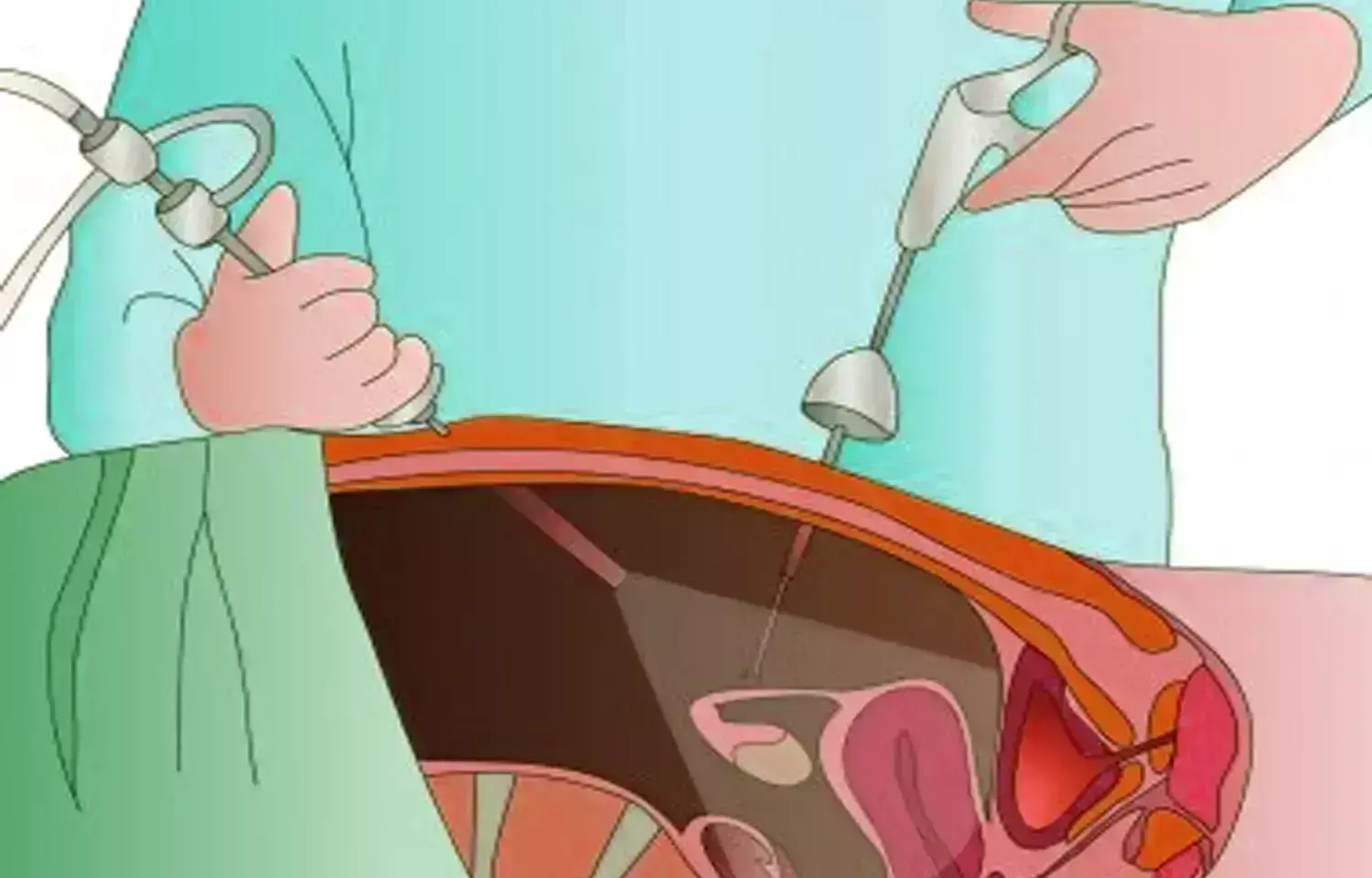
A team of surgeons in Israel decided to take on the challenge. Their answer: the mini-laparotomic-assisted laparoscopic radical hysterectomy—a hybrid procedure that aims to blend the best of both worlds. Most of the operation is done laparoscopically (through small incisions), keeping blood loss and pain low. But the most critical steps, such as removing the uterus and protecting surrounding tissues, are performed via a small (4–8 cm) open incision. This approach avoids the pitfalls of tumor spillage and risky CO₂ exposure associated with traditional MIS, without sacrificing the minimally invasive benefits.
How Did the New Technique Perform?
The study followed seven women with early-stage cervical cancer. Here’s what they found:
The median age was 50 years; all patients had early-stage disease.
Operations lasted a median of 345 minutes and blood loss was moderate (500 mL median).
No intraoperative or major postoperative complications were reported.
Patients recovered well, with a median hospital stay of 4 days.
Importantly, the study saw no evidence of cancer spread at surgery margins and no tumor spillage.
What Makes This Approach Special?
The technique is designed to avoid the two main risks linked to recurrences in MIS: use of uterine manipulators and intracorporeal colpotomy (cutting the vagina from inside the abdomen with CO₂). By extracting the uterus through a small open incision, the team minimized the chance of tumor cells escaping into the abdomen, which has been a problem in prior MIS studies.
A Step Forward—But More Research Needed
While the case series is small, the results are promising. The hybrid approach could offer women with early cervical cancer a safer, faster recovery and lower surgical risks, without compromising cancer control. The authors stress that larger, long-term studies are needed to confirm its lasting oncologic safety.
5 Key Takeaways:
The hybrid mini-laparotomic-assisted technique merges the safety of open surgery with minimally invasive benefits.
No intraoperative or major postoperative complications were observed in the pilot series.
This approach avoids two major risks of traditional MIS: uterine manipulator use and intracorporeal colpotomy.
Patients experienced moderate blood loss, short hospital stays, and no tumor spillage.
More research is needed, but this could redefine standard care for early-stage cervical cancer.
Citation:
Aiob, A., Gumin, D., Sharon, A., & Lowenstein, L. (2025). Mini-laparotomic-assisted laparoscopic radical hysterectomy: an innovative technique for cervical cancer surgery—a case series. Archives of Gynecology and Obstetrics, 312, 2289–2294. https://doi.org/10.1007/s00404-025-08224-y