Preoperative RHR Powerful Predictor of Cardiac Surgery Risk, suggests study



The Search for a Simple, Reliable Predictor
Facing cardiac surgery is daunting—not just for patients, but for the doctors striving to anticipate risk and optimize care. Now, new research published in the Journal of Cardiothoracic and Vascular Anesthesia suggests that a routine blood test, specifically the red cell distribution width-to-hemoglobin concentration ratio (RHR), could be a game-changer in predicting both short- and long-term outcomes after heart surgery.
What is RHR, and Why Does It Matter?
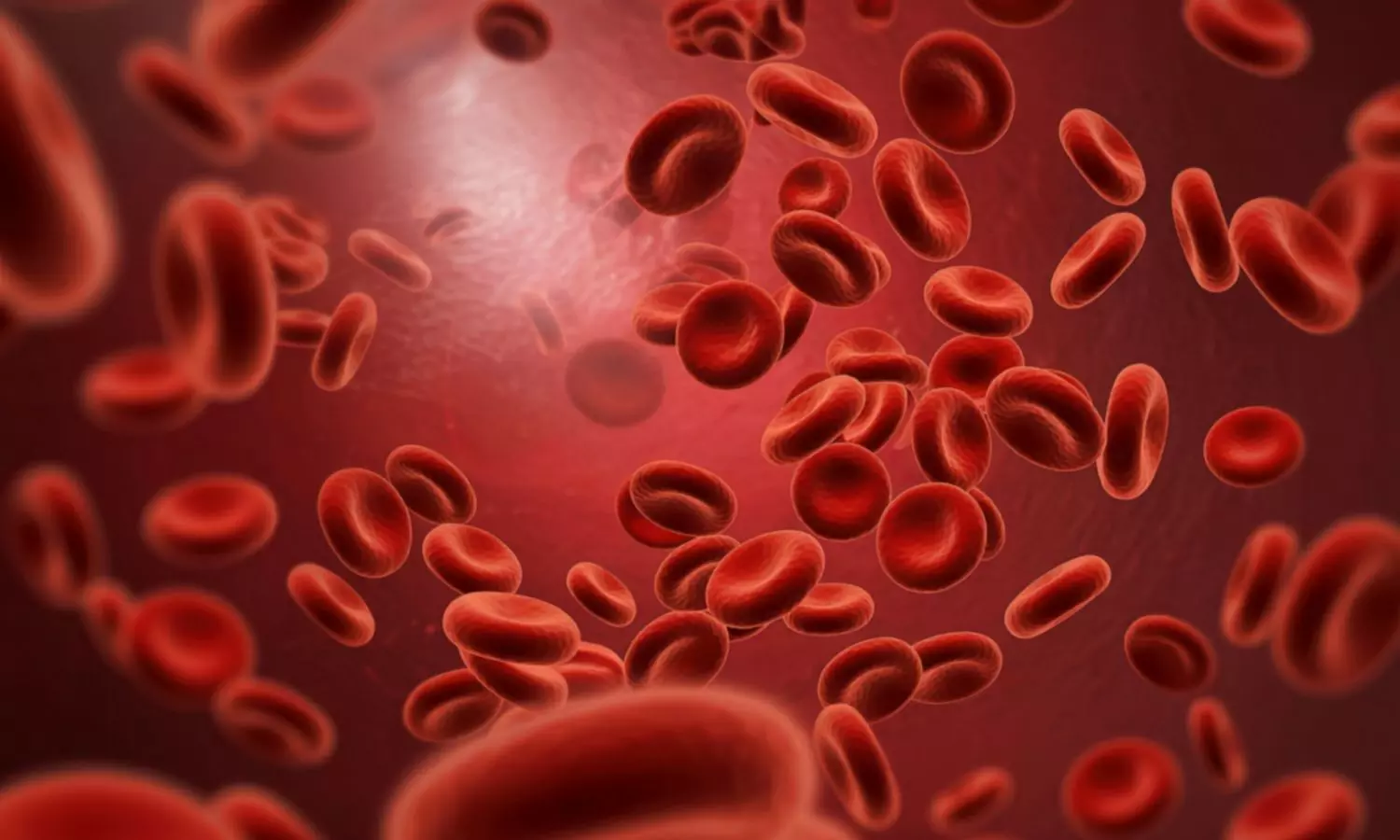
RHR combines two familiar blood count values: red cell distribution width (RDW)—which reflects variation in red blood cell size, and hemoglobin concentration (Hb)—a marker of anemia. While both have been linked to risk in cardiac patients, this study is among the first to show that their ratio, measured before surgery, strongly correlates with patient survival and complications after elective cardiac operations.
Key Findings that Could Change Practice
Researchers retrospectively analyzed 293 adult cardiac surgery patients and found:
An RHR cutoff of 1.38 was the magic number: patients above this level had dramatically higher risks.
Those with high RHR were almost six times more likely to die within 30 days and over seven times more likely to die within one year after surgery, compared to those with lower ratios—even after accounting for other risks.
High RHR was also linked to greater chances of major cardiovascular events, acute kidney injury, and surgical site infections.
Why Does This Happen?
High RHR usually means a combination of anemia, inflammation, and other stressors on the body—all of which can hamper recovery. The beauty of this marker is its simplicity: it’s cheap, widely available, and easy to interpret.
What Does This Mean for Patients and Doctors?
A pre-surgery RHR offers a quick glimpse into a patient’s resilience. Identifying high-risk individuals before surgery could lead to more targeted interventions, closer monitoring, or even preoperative treatments—potentially saving lives and improving recoveries.
Key Takeaways:
Preoperative RHR is a strong predictor of mortality and complications after cardiac surgery.
An RHR of 1.38 or higher signals much greater risk.
The marker is simple, inexpensive, and based on routine blood tests.
High RHR is associated with anemia, inflammation, and poor outcomes.
Early identification could lead to better care and improved survival rates.
Citation:
Kida H, Takaki S, Takahashi K. Association Between Preoperative Red Cell Distribution Width-to-hemoglobin Concentration Ratio and Postoperative Mortality in Adult Cardiac Surgery Patients. Journal of Cardiothoracic and Vascular Anesthesia. 2026;40:1355-1361. https://doi.org/10.1053/j.jvca.2025.04.020