
Rezūm Therapy Shows Low Retreatment Rates for Benign Prostatic Hyperplasia: Study
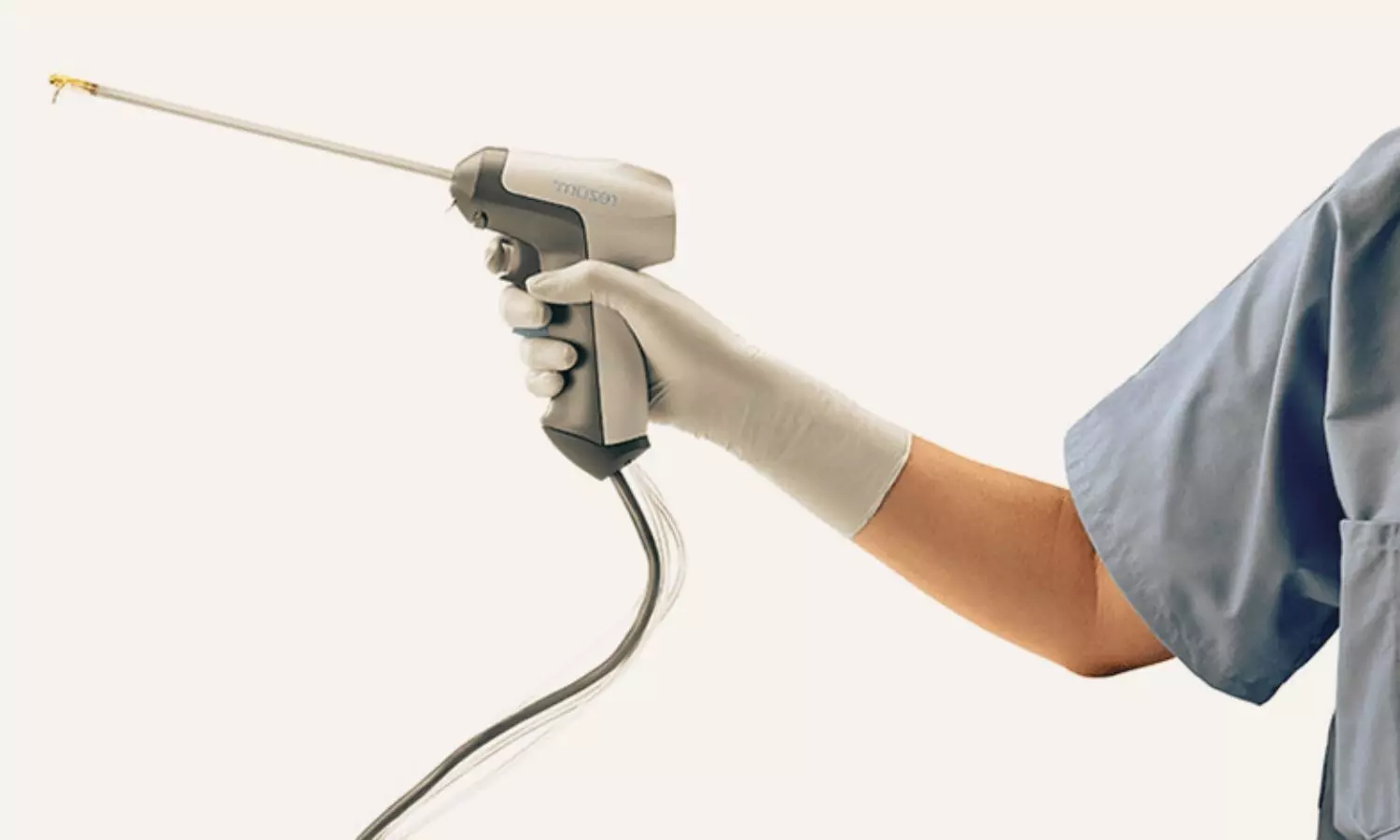


Canada: Researchers have found in a large, real-world multicenter cohort study that Rezūm water vapor thermal therapy (WVTT) for benign prostatic hyperplasia (BPH) was associated with a low rate of subsequent surgical retreatment.
Among the factors evaluated, the Benign Prostatic Hyperplasia Impact Index (BPHII) emerged as the only independent predictor of retreatment, suggesting that greater patient-reported symptom burden may indicate more severe disease or reduced treatment responsiveness. These findings support the long-term effectiveness of Rezūm therapy and highlight the value of the BPHII in preoperative assessment, patient counseling, and selection of candidates most likely to benefit from water vapor thermal therapy.
The findings, published in the World Journal of Urology, are based on a study led by Mario Henrique Bitar Siqueira from the Department of Surgery, Division of Urology, University of Toronto, Canada, and colleagues. The researchers assessed the real-world incidence of surgical retreatment after Rezūm water vapor thermal therapy and identified factors associated with re-intervention.
The retrospective study analyzed a prospectively maintained registry of 837 men who underwent Rezūm therapy at two high-volume centers in Canada and Italy between April 2019 and August 2025. Baseline clinical and procedural characteristics were compared between patients with and without retreatment, and Cox regression and Kaplan-Meier analyses were used to identify predictors and estimate retreatment risk. Over a median follow-up of three years, 43 patients (5.1%) required surgical retreatment.
Key findings of the study include:
- Only 5.1% of patients underwent surgical retreatment during a median follow-up of three years.
- The cumulative probability of retreatment was 2.3% at one year, 5.3% at two years, and 6.9% at three years.
- The most common retreatment procedures were GreenLight photovaporization (56%), transurethral resection of the prostate (TURP; 20%), and repeat Rezūm therapy (9%).
- Age, prostate volume, presence of a median lobe, medical therapy, and comorbidities were not significantly associated with retreatment risk.
- Patients requiring retreatment had significantly higher baseline BPH Impact Index (BPHII) scores than those who did not undergo re-intervention.
- In multivariable analysis, the BPHII was the only independent predictor of retreatment, with each one-point increase associated with an 18% higher risk of requiring another surgical procedure (adjusted HR 1.18).
The findings suggest that Rezūm therapy provides durable symptom relief for most men with BPH, with few requiring additional surgery over three years. Higher baseline BPHII scores may help identify patients at greater risk of retreatment before intervention.
The researchers acknowledged the limitations of the retrospective study design despite the use of a prospectively maintained registry and noted that larger studies with longer follow-up are needed to validate these findings.
The researchers concluded that Rezūm therapy was associated with a low rate of surgical retreatment, with the BPH Impact Index emerging as the only independent predictor of re-intervention. They suggested that BPHII may aid patient selection, preoperative counseling, and treatment planning.
Reference:
Siqueira MHB, Aldoukhi M, Bhojani N, Chughtai B, Zorn KC, Cindolo L, Ferrari G, Lajkosz K, Fields E, Elterman DS. Predictors of surgical retreatment following Rezūm water vapor therapy: a multi-center real-world cohort study. World J Urol. 2026 Jun 29;44(1):466. doi: 10.1007/s00345-026-06582-z. PMID: 42371095.
