Saline Cushion Enables Safer Myotomy in Achalasia Surgery, suggests study
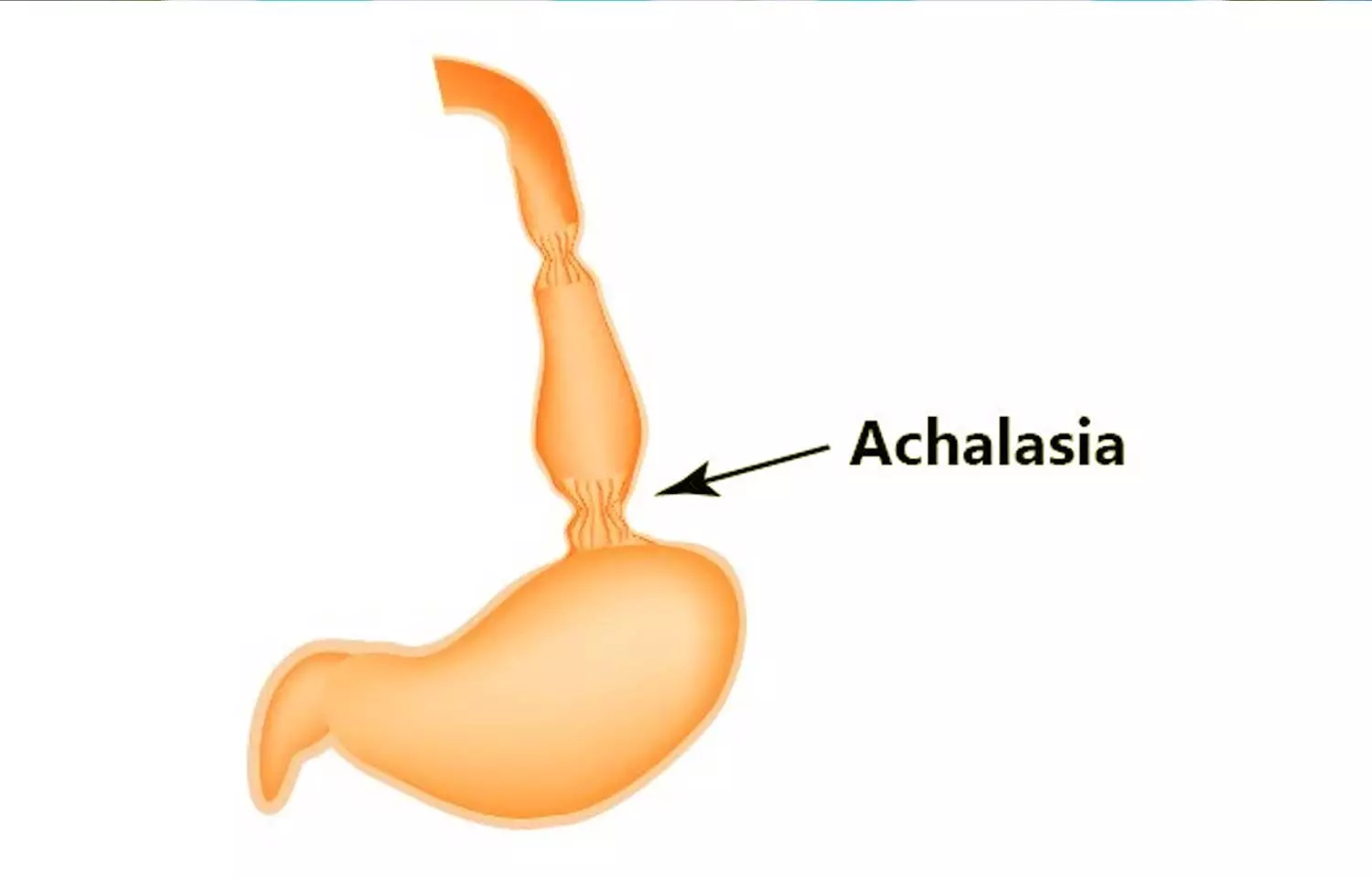


A recent surgical paper published in the Journal of Minimal Access Surgery in August 2026 highlights that by creating a protective saline cushion to separate the mucosal layer in achalasia surgery, surgeons can safely perform a precise myotomy, minimizing perforation risks and reducing average hospital stays to just two to three days.
Achalasia is a debilitating primary esophageal motility disorder characterized by a non-relaxing lower oesophageal sphincter (LES) and absent peristalsis; while traditional surgical Heller myotomy is highly effective, it carries significant risks of accidental mucosal perforation. To bridge this clinical gap, Dr. Francisco Javier Pérez Lara and colleagues from Antequera Hospital and Hospital Comarcal de Antequera in Málaga, Spain, evaluated a novel surgical modification using submucosal saline hydrodissection to separate tissue layers, aiming to facilitate safer laparoscopic oesophagomyotomy and improve outcomes.
Therefore, the surgical paper outlines an intervention performed at Antequera Hospital in Málaga, Spain, evaluating laparoscopic oesophagomyotomy utilizing a 10 mL saline submucosal injection to separate tissue layers. This technique was compared against traditional myotomy to assess its ability to prevent mucosal perforation, enhance surgical visibility, and shorten hospital stays.
Key Clinical Findings from the Surgical Paper Includes:
Mucosal Protection: Normal saline creates a physical liquid barrier separating the mucosal layer from the muscularis to minimize perforation risks (Study).
Incision Parameters: The team performed a six- to eight-centimeter myotomy, extending two to three centimeters into the gastric cardia to destroy the high-pressure sphincter zone (Study).
Surgical Visibility: The hydrodissection plane enhances visualization of longitudinal and circular muscle fibers, facilitating easier dissection via an electrosurgical hook (Study).
Rapid Recovery: Patient liquid feeding is initiated on the first postoperative day, enabling a short average hospital stay of two to three days (Study).
Clinical Versatility: This modification provides critical advantages for patients with a thin-walled esophagus or poorly defined tissue planes from previous organ surgeries (Study).
The results suggest that submucosal hydrodissection-assisted oesophagomyotomy is a safe and effective modification for achalasia, creating a distinct dissection plane that restricts mucosal injury. This approach optimizes patient recovery, enabling liquid feeding on the first postoperative day and yielding a short average hospital stay of two to three days.
The clinical implications suggest that this technique is particularly beneficial for patients with thin-walled esophagi or prior organ surgeries, as the fluid cushion delineates poorly defined planes and preserves muscle fibers for enhanced esophageal structural support.
Although the procedure requires regulated infiltration to avoid tissue over-distension and demands skilled laparoscopic execution, future research into specialized hydrodissection instruments and biocompatible tissue-separating agents could further refine outcomes and expand its clinical utility.
Reference
Pérez Lara, F. J., Prieto-Puga Arjona, T., Gonzalez Plo, D., Pitarch Martinez, M., Maldonado Validivieso, P., & Rueda Cruces, C. (2026). A novel technical modification for surgical treatment of achalasia: Submucosal injection to facilitate safe oesophagomyotomy. Journal of Minimal Access Surgery. Advance online publication.