
Air pollution may alter how sperm genes function, major fertility study finds
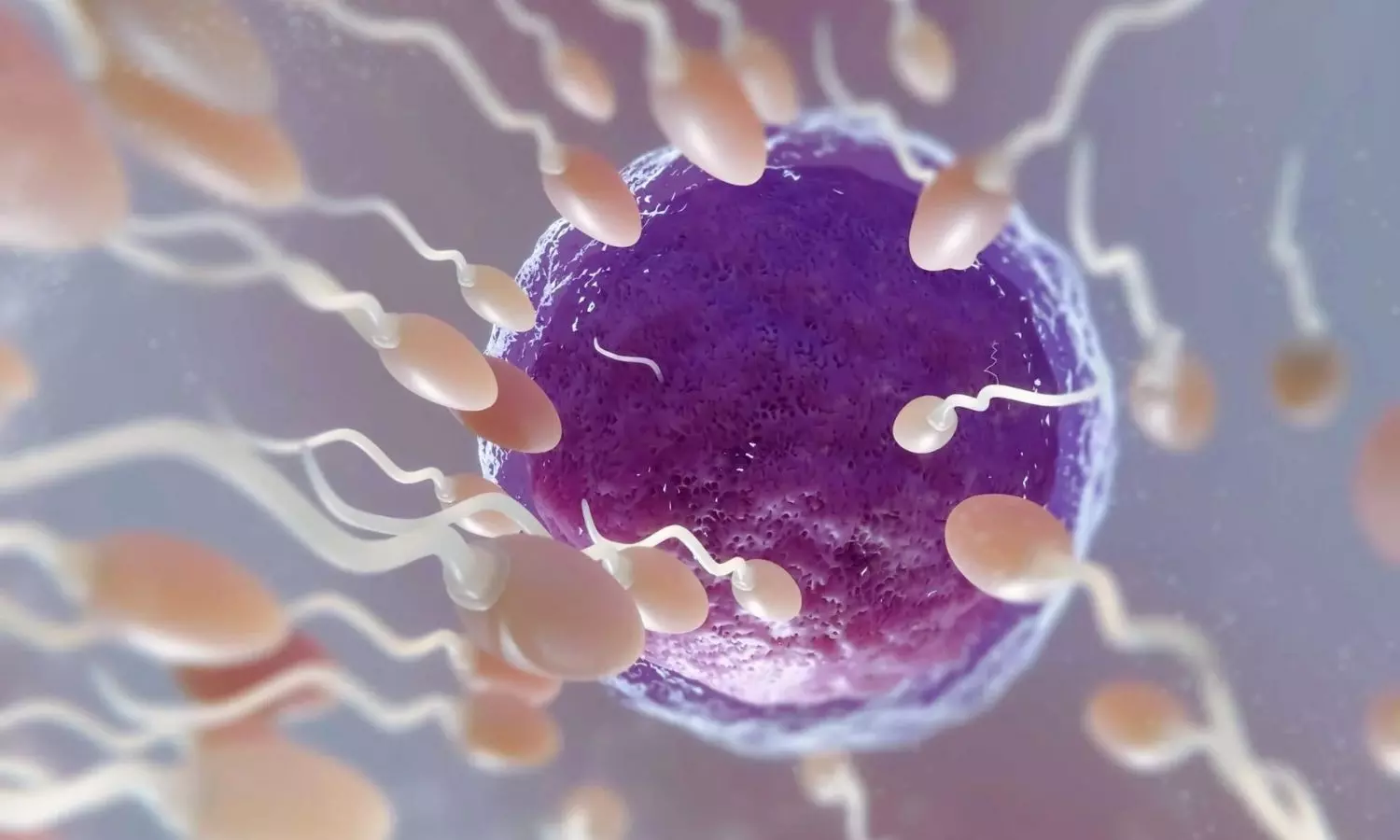


New research presented today at the 42nd Annual Meeting of the European Society of Human Reproduction and Embryology (ESHRE) suggests that exposure to air pollution may impact genes associated with sperm development, raising new questions about male fertility, pregnancy outcomes and offspring health.
In one of the largest studies of its kind, researchers found that men exposed to mixtures of common air pollutants during sperm development showed changes in sperm DNA methylation – chemical modifications that regulate gene activity without altering the DNA itself. The methylation changes were linked to genes involved in key reproductive and cellular processes, including sperm development, chromosomal organisation and cellular quality control.
The secondary data study included more than 2,000 men between 2013 and 2017 in Salt Lake City, Utah. Participants provided semen samples at enrolment and after 2, 4 and 6 months. Sperm DNA methylation was analysed in the 1,220 men who provided a sample at the six-month follow-up visit.
Researchers estimated participants’ exposure to outdoor air pollutants during spermatogenesis – the approximately three-month process of sperm production – including ozone (O₃), nitrogen dioxide (NO₂), sulphur dioxide and fine particulate matter (PM2.5).
Researchers identified 39 DNA methylation changes associated with air pollution mixtures, with ozone and nitrogen dioxide emerging as the strongest contributors. Among the most notable findings was altered methylation in GNAS, an imprinted gene previously associated with poorer semen quality and implicated in embryonic and foetal development.
Air pollution is increasingly recognised as a major threat to human health, with growing evidence linking exposure to cardiovascular, respiratory and reproductive health effects. Previous studies have associated air pollution with poorer semen quality, but far less is known about how these exposures may influence sperm at the molecular level.
Lead author Dr Carrie Nobles explained, “Our findings suggest that air pollution exposure during key stages of sperm development may be associated with changes in sperm DNA methylation, including in genes involved in spermatogenesis and early developmental processes.”
Discussing the significance of the findings, Dr Nobles said, “The association with changes in the imprinted gene GNAS was particularly important. Because imprinted genes can persist through early embryonic development, this raises important questions about whether fathers’ environmental exposures may influence not only fertility, but pregnancy and offspring health.”
Dr Nobles noted that air pollution is a complex mixture that varies by season and location, with nitrogen dioxide and ozone often elevated in urban areas due to traffic emissions and natural gas combustion.
“A critical next step is replication of findings in other studies,” Dr Nobles added. “We also need to understand whether air pollution-associated changes in sperm DNA methylation have measurable downstream impacts on men’s fertility and couples’ pregnancy health. Future research should also explore the role of indoor and personal air pollution exposure.”
Commenting on the significance of the study, Professor Dr Karen Sermon, Immediate Past Chair of ESHRE, said: “This is another piece of the puzzle to understand how pollution negatively influences our fertility. We know that couples exposed to air pollution often have difficulties becoming pregnant, and this may be one of the explanations amongst the myriad ways that pollution impacts our reproductive health.”
Reference:
Air pollution may alter how sperm genes function, major fertility study finds, European Society of Human Reproduction and Embryology, Meeting: ESHRE 42nd Annual Meeting.
