
Targeted Spinal Denervation Relieves Refractory Back Pain in Postpolio Scoliosis: Case Report
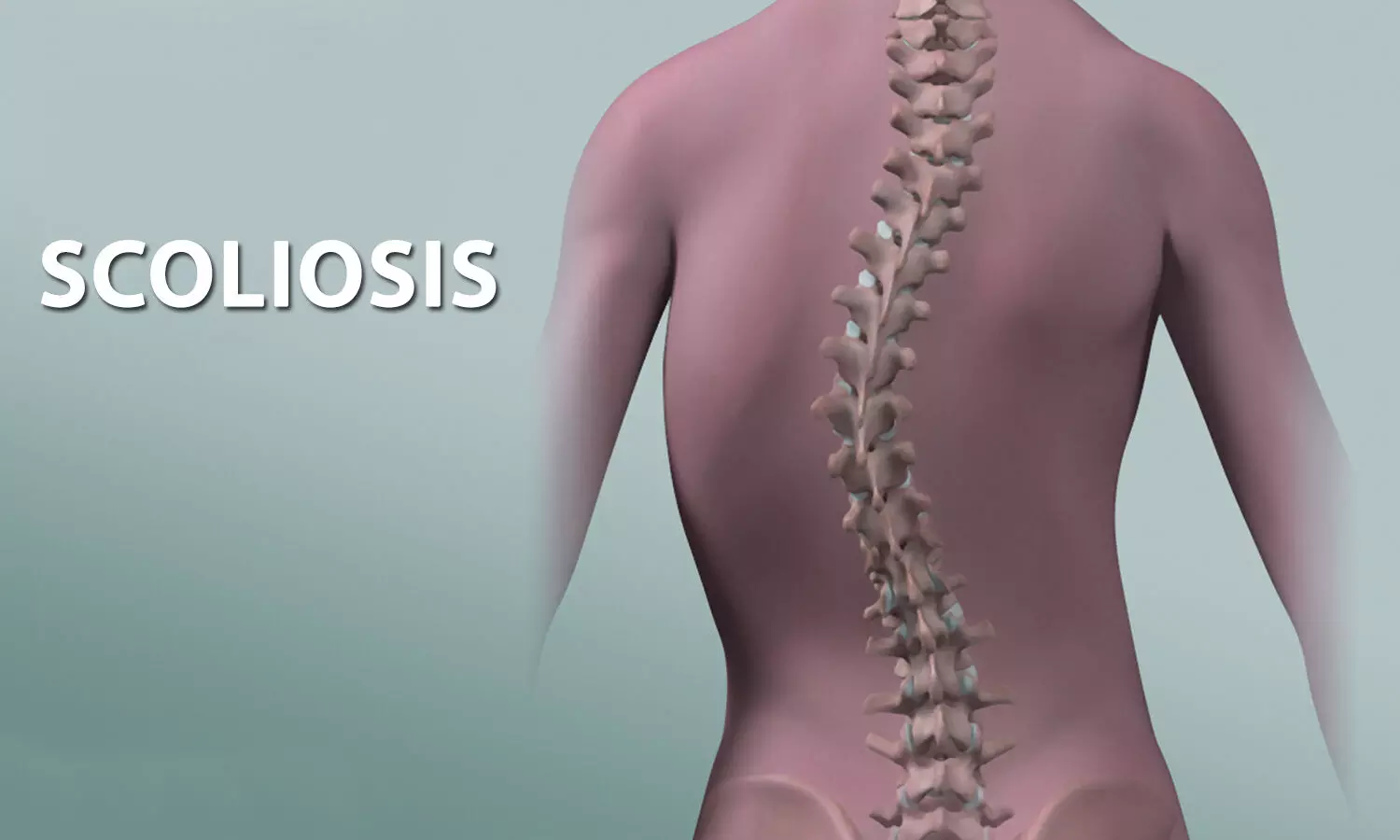


A recent case report reveals that targeted spinal denervation provides remarkable, long-lasting relief for intractable lower back pain in polio survivors with severe scoliosis. This precise, minimally invasive technique offers a powerful solution when standard conservative therapies fail.
These findings of the case report were published in the Indian Journal of Pain by Dr. Akhil Bhalla and colleagues.
A 70-year-old male with a history of childhood poliomyelitis presented with six months of progressive, non-radiating lumbar pain that severely compromised his ambulation. Walking with an antalgic gait and a stooped posture, he rated baseline pain at 9/10 on the numeric rating scale, exacerbated by spinal extension and prolonged sitting or standing. Physical examination demonstrated marked lumbar scoliosis, residual lower-limb paresis (4/5 quadriceps and dorsiflexor strength), and bilateral facet tenderness from L1 to L5, predominantly on the right. Neurological testing and straight leg raise were unremarkable, while bowel and bladder function remained intact. Prior conservative therapy—including physical therapy, gabapentin (300 mg twice daily), tolperisone (150 mg twice daily), and ibuprofen—offered minimal relief. Radiographs demonstrated degenerative scoliosis, and magnetic resonance imaging confirmed multilevel facet hypertrophy without disc herniation or canal stenosis, establishing facet joint arthropathy.
Under local anesthesia, diagnostic medial branch blocks were performed with the patient prone to decompress the spine. Continuous fluoroscopy using 25° ipsilateral oblique and 10° caudal tilts guided 22-gauge needles to the junctions of the superior articular and transverse processes from T12–L1 through L5–S1. Following negative aspiration, 0.5 mL of 0.25% bupivacaine with triamcinolone was injected per level (60 mg total steroid) without adverse events. The injection provided an immediate 90% pain reduction that persisted for two weeks before symptoms increased to 6/10. Clinicians then conducted cooled radiofrequency ablation (RFA) bilaterally from L1 to S1 using 17-gauge electrodes with 4-mm active tips. Multifidus contractions confirmed placement during motor stimulation (1.0 V, 2 Hz), and lesions were completed at 60°C for 150 seconds after lidocaine infiltration. Pain scores fell to 2/10, with lasting relief maintained at six-month follow-up.
Mechanistic Insights
Severe neuromuscular scoliosis alters spinal biomechanics, generating uneven compressive loads that accelerate facet degeneration along both concave and convex curves. Rotational deformities obscure standard landmarks, making fluoroscopic guidance crucial for accurate cannula placement. Multilevel intervention ensures comprehensive desensitization of widespread articular pathology.
Implications for Clinicians
Clinicians evaluating intractable back pain in polio survivors should consider facet arthropathy as a primary pain generator. Medial branch blocks provide reliable diagnostic confirmation, while cooled radiofrequency neurotomy offers durable analgesia. Combining individualized percutaneous interventions with rehabilitation optimizes mobility and functional capacity in patients with complex spinal deformities.
Reference
Bhalla, A., Mekewar, S. R., Verma, S., Sharma, A., & Lotlikar, S. D. (2026). Lumbar medial branch minimally invasive pain and spine intervention for low back pain in postpolio syndrome. Indian Journal of Pain, 40, 108–111.
