
Chemical Neurolysis May Provide Long-Lasting Pain Relief in AVN-Related Hip Pain: Study Shows
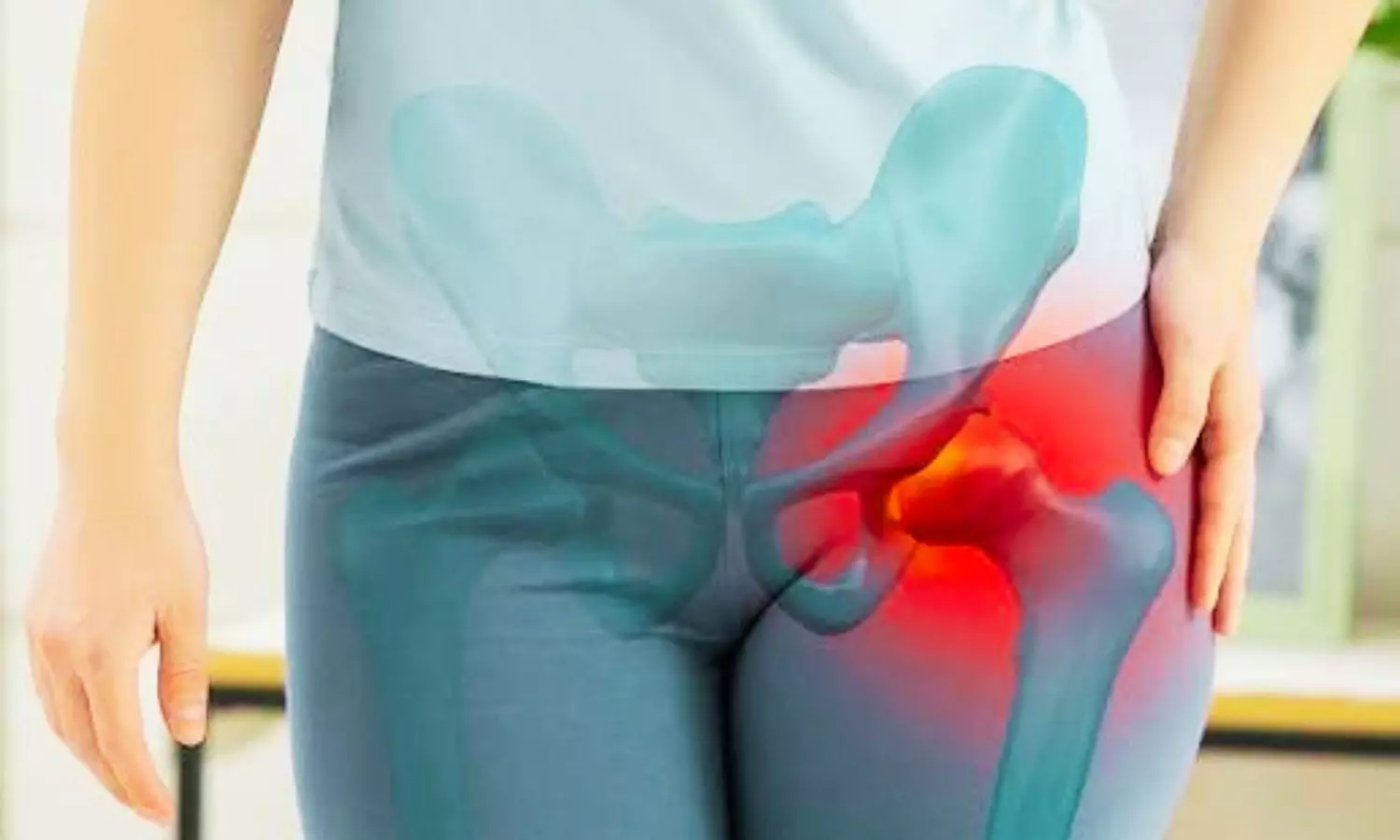


Canada: A recent study has revealed that chemical neurolysis targeting the anterior hip capsular branches appears to be a safe and effective pain-relief option for patients with avascular necrosis (AVN) of the hip whose pain does not respond adequately to conservative treatment. The benefits may persist for up to six months in some patients, suggesting a potentially durable option for pain management.
The findings come from a brief technical report published in Regional Anesthesia & Pain Medicine by Abeer Alomari from the Department of Anesthesia and Pain Medicine, University of Toronto, Canada, and colleagues. The researchers evaluated the effectiveness and safety of image-guided alcohol neurolysis in patients experiencing chronic, treatment-resistant hip pain caused by AVN.
Avascular necrosis is a condition in which reduced blood supply leads to the death of bone tissue, often causing persistent pain and limited mobility. While conservative measures such as medications and physical therapy may help some patients, others continue to experience significant pain, highlighting the need for alternative pain management strategies.
For this pilot case series, the investigators enrolled nine patients with chronic refractory hip pain secondary to AVN. All participants underwent image-guided percutaneous chemical neurolysis of the articular branches supplying the anterior hip capsule using 100% ethanol. Pain intensity was assessed using the Numerical Rating Scale (NRS) before the procedure and at one, three, and six months afterward.
The key findings were as follows:
- The average baseline pain score was 6.7 ± 1.2 on the Numerical Rating Scale (NRS).
- Two of the nine patients did not respond to image-guided alcohol neurolysis.
- Among the seven responders, the average NRS pain score decreased to 2.9 ± 1.2 at 1 month and 3.0 ± 1.4 at 3 months.
- Five of the seven responders achieved at least a 50% reduction in pain at both the 1-month and 3-month follow-up visits.
- Among the five patients who completed the 6-month follow-up, the average NRS pain score was 3.0 ± 1.7.
- Three of the five patients assessed at 6 months continued to maintain 50% or greater pain relief compared with baseline.
- No procedure-related adverse events, side effects, or complications were reported during the follow-up period, indicating that image-guided alcohol neurolysis was well tolerated in this small patient group.
The authors acknowledged the small sample size and noted that the findings provide preliminary evidence supporting alcohol neurolysis for pain control in AVN patients who do not respond to conservative treatment. They emphasized the need for larger prospective studies to confirm its efficacy, durability, and long-term safety.
The researchers concluded that image-guided alcohol neurolysis may offer a safe and effective option for managing chronic AVN-related hip pain after failure of conservative therapy, with this pilot case series serving as a foundation for future larger-cohort studies.
Reference:
Alomari A, Kanjanapanang N, Peng P, et alImage-guided alcohol neurolysis for treatment of chronic hip pain secondary to avascular necrosis. Regional Anesthesia & Pain Medicine 2026;51:823-826.

Next Story