New Evidence Shows Suprasternal Cuff Ballotability Is a Sensitive Bedside Test for ETT Position in Adults
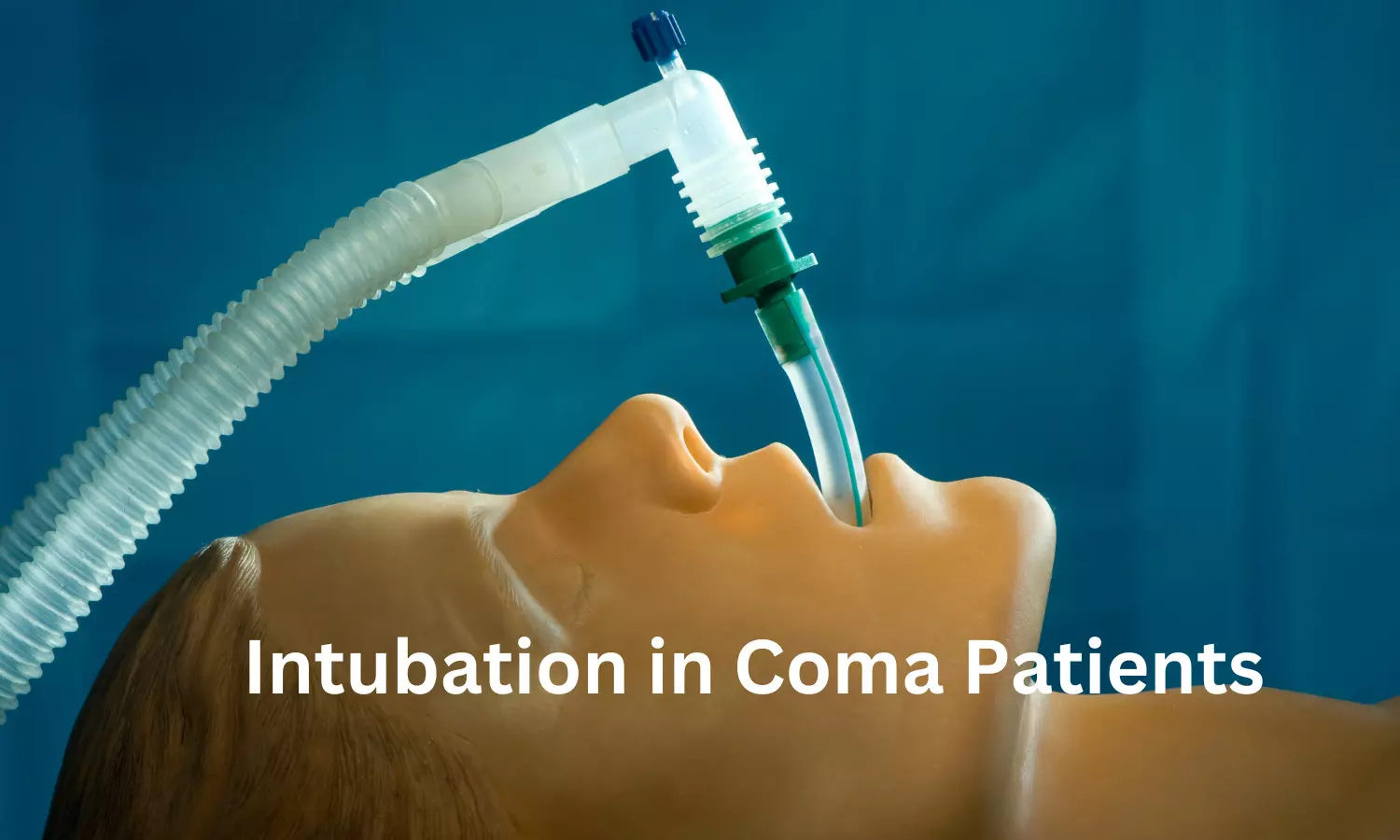


How do you quickly and reliably confirm the correct depth of an endotracheal tube (ETT) when advanced equipment isn’t available? While capnography, radiography, and bronchoscopy are reference standards, anaesthesiologists often rely on simpler bedside techniques in daily practice. A new study in the Indian Journal of Anaesthesia puts suprasternal tactile cuff ballotability to the test—could this hands-on method improve airway safety?
Background: The Challenge of ETT Depth Verification
Auscultation and chest expansion alone miss up to 55% of endobronchial intubations. Radiography, while accurate, is costly and slow; bronchoscopy and ultrasound require equipment and expertise. Tactile cuff ballotability—feeling for ETT cuff movement above the suprasternal notch when compressing the pilot balloon—offers a low-tech, rapid alternative.
Study Design: Ballotability vs. Radiographic Standard
This prospective diagnostic accuracy study enrolled 72 non-obese adults receiving general anaesthesia for neuroradiological procedures. After intubation, three trained anaesthesiologists independently assessed whether cuff ballotability could be felt above the suprasternal notch. The gold standard was fluoroscopic confirmation of the ETT cuff at or above the lower border of the T2 vertebra, an accepted marker for safe tube depth. Interobserver agreement and tip-to-carina distances were also analyzed.
Key Results: High Sensitivity, Moderate Specificity, Excellent Agreement
Sensitivity: 98.1%—cuff ballotability correctly identified nearly all ETTs at the proper depth.
Specificity: 60%—some false positives occurred, but the test was rarely falsely negative.
Positive Predictive Value (PPV): 86.4%; Negative Predictive Value (NPV): 92.3%.
Interobserver Agreement: Fleiss’ kappa 0.77, indicating excellent consistency among clinicians.
Clinical Insight: If ballotability is not felt, the odds of incorrect tube depth are high—making this a strong screening tool.
Implications: Practical Bedside Application
While not a replacement for imaging or capnography, suprasternal ballotability is reproducible and requires no extra devices or time. It performs especially well as a screening test to rule out malpositioned ETTs in routine adult cases. Its moderate specificity means it should be complemented by other methods in high-risk or complex settings.
Conclusion
Tactile cuff ballotability above the suprasternal notch is a simple, sensitive, and reliable bedside test for confirming correct ETT depth in non-obese adults. With excellent agreement among observers, this technique can enhance airway safety—especially when advanced imaging is not an option.
KEY points
Suprasternal cuff ballotability is highly sensitive for detecting correct ETT depth.
Negative ballotability strongly suggests malposition and warrants immediate review.
The method shows excellent reproducibility among trained anaesthesiologists.
Specificity is moderate; combine with other assessments for complex cases.
This low-tech, rapid test is a practical addition to routine airway management.
Citation:
Selvam V, Ganesh V, Vyas S, Yaddanapudi LN, Bhagat H. Positive predictive value of tactile tracheal tube cuff ballotability above the suprasternal notch in detecting the correct positioning of the tracheal tube – A diagnostic accuracy study. Indian Journal of Anaesthesia. 2026;70(9):1034-41. DOI: 10.4103/ija.ija_1678_25