New Study Indicates Esketamine Could Be a Game Changer for Postoperative Recovery
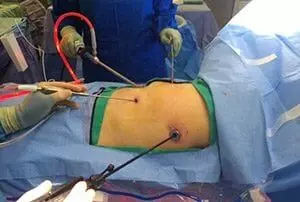


Innovative Approaches to Post-Surgery Recovery
Recovering from video-assisted thoracoscopic surgery (VATS) can be tough-especially when it comes to managing pain and emotional well-being. Traditionally, regional anesthesia techniques like the erector spinae plane block (ESPB) have offered targeted pain control, but they require technical expertise and carry some risks. Enter esketamine, an intravenous medication best known for its fast-acting antidepressant effects, now being explored as a tool for post-surgical recovery.
The Trial: Comparing Apples to Oranges—Or Are They?
Researchers in China conducted a randomized controlled non-inferiority trial to see if intravenous esketamine could match the recovery quality provided by ESPB in patients undergoing VATS.
112 adults scheduled for minimally invasive lung surgery participated.
One group received an ESPB (with local anesthetic), while the other received intravenous esketamine and a “sham” block.
The main goal: to measure the quality of recovery (using a 15-point scale) after surgery, including pain and emotional status.
Pain and Mood: Not Just a Physical Battle
The results revealed something intriguing:
Esketamine was “non-inferior” to ESPB in overall recovery scores on both the first and second days after surgery.
ESPB offered better pain relief during coughing in the first 8 hours after surgery.
However, patients who received esketamine had lower anxiety and depression scores and less risk of low blood pressure.
In other words: while ESPB excelled in early dynamic pain control, esketamine made up ground by boosting mood and reducing inflammatory responses.
Why Does This Matter?
Many patients—especially those at higher risk for anxiety or depression—may benefit from esketamine’s uplifting effects, even if it’s not quite as strong as ESPB for initial pain. It’s also a valuable option when regional anesthesia isn’t practical or safe.
What’s Next for Surgical Recovery?
The study suggests a future where tailored, multimodal pain relief addresses both body and mind. Combining ESPB’s pain-relieving power with esketamine’s mood benefits could offer the best of both worlds—speedier, happier recoveries.
Key Takeaways
Esketamine is as effective as ESPB for overall recovery quality after minimally invasive lung surgery.
ESPB provides better early movement-related pain relief.
Esketamine reduces anxiety, depression, and hypotension risk.
No significant difference in overall side effects between groups.
Personalized, combined pain strategies may offer optimal recovery.
Citation:
Liu, Z., Zhao, H., Ning, Y., Zhang, Y., Liu, M., Hui, K., Gao, D., Ji, Q., & Zhang, L. (2026). Intravenous Esketamine Versus Erector Spinae Plane Block for Postoperative Recovery Quality Following Video-Assisted Thoracoscopic Surgery: A Randomized Controlled Non-Inferiority Trial. Journal of Cardiothoracic and Vascular Anesthesia, 40, 1766-1776. https://doi.org/10.1053/j.jvca.2025.12.030