Personalized Airway Sizing: How an Ultrasound Probe Could Change Your ProSeal LMA Routine, Study Finds
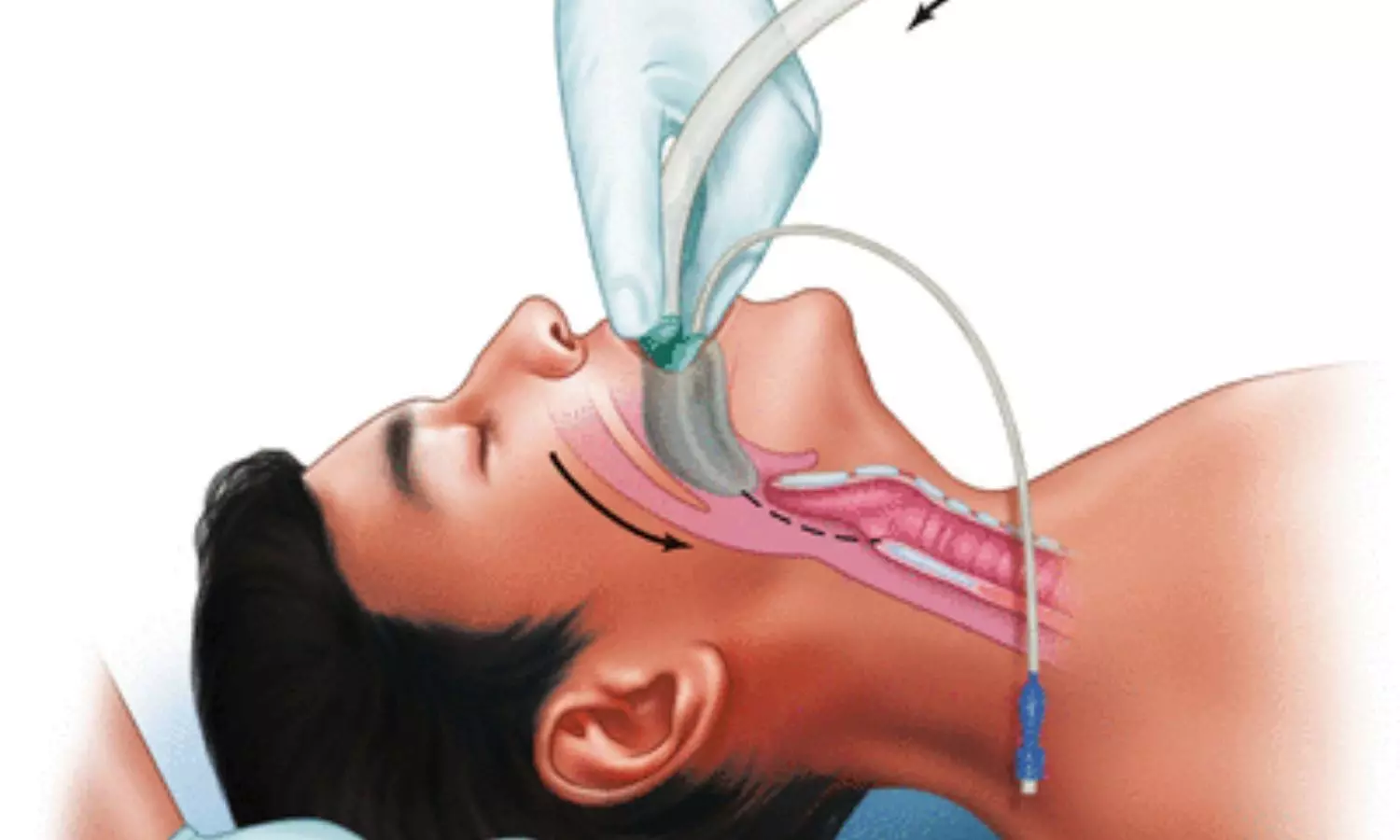


Would switching from traditional weight-based sizing to an ultrasound-guided, anatomy-based approach improve safety and efficiency when placing a ProSeal LMA™? This is a question faced by anesthesiologists seeking more tailored airway management, especially as device sizing based solely on weight often fails to account for individual anatomical variation.
Background: Why Rethink LMA Sizing?
The laryngeal mask airway (LMA) has become a staple in airway management, minimizing complications like sore throat and dental injury and offering a less invasive alternative to intubation. Traditionally, clinicians have chosen LMA size based on body weight. However, this method doesn’t always correspond to the patient’s actual airway anatomy, potentially leading to poor device fit and ventilation issues.
Study Design: Comparing Two Approaches
This prospective, double-blind randomized controlled trial assessed 116 adults (ASA I–II, aged 18–60) scheduled for elective surgery with general anesthesia. Patients were randomly assigned to one of two groups for ProSeal LMA™ sizing:
Weight-Based Group: Device size selected using conventional weight criteria.
Ultrasound-Guided Group: Device size selected using the hyomental distance (HMD)—the distance from the hyoid bone to the mentum—measured with ultrasound.
The main outcome was successful LMA insertion on the first attempt. Secondary outcomes included insertion time, number of attempts, need for reinsertion, and presence of postoperative oral injury.
Key Findings: Comparable Success, Different Sizing
First-Attempt Insertion Success: High in both groups (93.1% for weight-based, 96.6% for HMD-based; no significant difference).
Device Size Distribution: The ultrasound group received smaller LMA sizes more often, suggesting a better anatomical match.
Efficiency and Safety: Insertion times, need for reinsertion, and rates of postoperative oral injury were similar between groups. No ventilation failures, intraoperative displacements, or persistent leaks were noted.
Clinical Implications: The ultrasound-guided approach individualized device size based on actual airway anatomy without compromising safety or effectiveness.
So What? Why This Matters for Your Practice
Anatomy-based selection using ultrasound can help ensure the ProSeal LMA™ fits the patient’s airway more precisely. While traditional weight-based sizing works in most cases, adding an ultrasound-guided assessment may reduce the frequency of unnecessarily large devices and potentially minimize airway trauma or leaks—especially in patients where body weight doesn’t reflect airway dimensions.
Conclusion
Ultrasound-guided HMD measurement offers a simple, reliable alternative to weight-based sizing for ProSeal LMA™ in adults. Individualizing airway device selection may further optimize patient safety and procedural efficiency as perioperative care evolves toward more personalized, image-guided practice.
KEY points
Ultrasound-guided hyomental distance is a feasible method for ProSeal LMA™ size selection.
First-attempt insertion success is similar with both weight-based and HMD-based sizing.
The HMD approach more often identifies the smaller, anatomically matched device size.
No increase in complications or insertion time was seen with ultrasound-guided sizing.
Tailoring airway device selection to airway anatomy may enhance safety and fit.
Citation:
Yadav S, Rani R, Verma D, Roy S, Choupoo NS. Ultrasound-guided hyomental distance versus weight-based method for ProSeal LMA™ size selection: A randomised controlled study. Indian Journal of Anaesthesia. 2026;70(9):998-1004. DOI: 10.4103/ija.ija_76_26