
NITI Aayog unveils roadmap to globalise Ayurveda
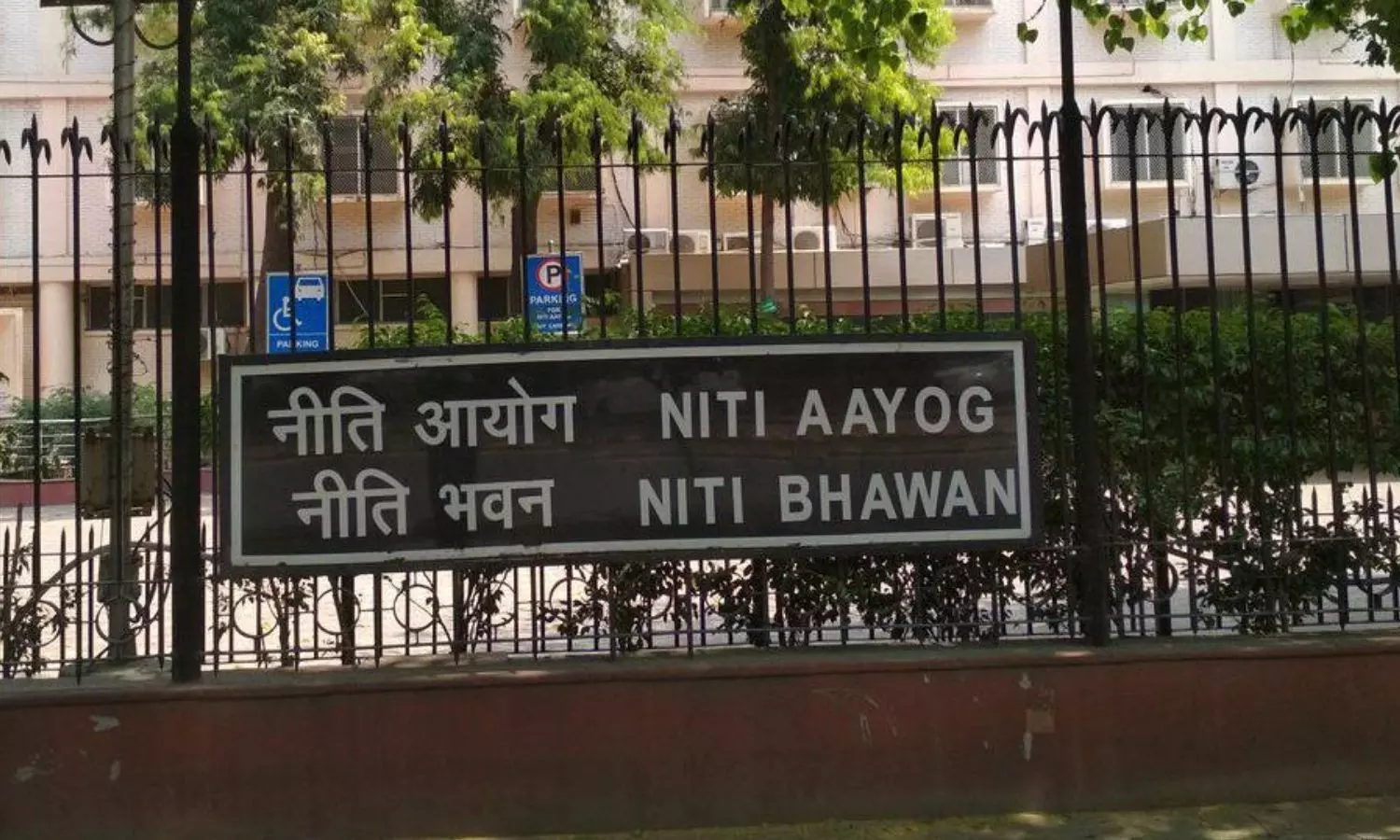


New Delhi: The NITI Aayog, India's apex public policy think tank, has proposed a comprehensive roadmap to position Ayurveda as a globally recognised healthcare system. Key recommendations include the creation of a Global Ayurveda Register (GAR), a world federation for Ayurveda and Yoga, the development of an export-focused Ayurvedic Pharmacopoeia and the introduction of a real-time trade dashboard.
The recommendations are outlined in the report, 'Strategic Roadmap for Making Ayurveda Global', released on 2nd July, 2026. The report was prepared by the Health Division of NITI Aayog in collaboration with PricewaterhouseCoopers (PwC). According to the PIB statement, it identifies measures to improve global acceptance of Ayurveda by expanding market access, strengthening regulatory frameworks and promoting international recognition of Indian traditional medicine.
According to the report, India has a well-established Ayurveda ecosystem with more than 355,000 trained practitioners, although around 95 per cent of them are based within the country. It notes that Ayurvedic products are exported to nearly 150 countries, with exports increasing from USD 1.09 billion in 2014 to USD 2.16 billion in 2023. The report also highlights opportunities for growth in wellness services, health products and medical value travel.
Also Read:CDSCO Expert Panel Backs Bajaj Healthcare's Novel Anti-Seizure Drug Cenobamate
Speaking on the occasion, NITI Aayog Vice Chairman Shri Ashok Kumar Lahiri said the globalisation of Ayurveda presents a significant opportunity to establish India as a global leader in traditional medicine. He noted that promoting Ayurveda internationally could generate substantial economic value, create employment opportunities, strengthen exports and enhance India's position in the global wellness and healthcare sector.
NITI Aayog Member Shri M. Srinivas said the initiative should remain focused on improving health outcomes by expanding access to evidence-based traditional healthcare options worldwide, while encouraging wider acceptance of scientifically validated Ayurvedic practices.
AYUSH Secretary Shri Vaidya Rajesh Kotecha said the recommendations would complement the Ministry's ongoing efforts to expand global acceptance of Ayurveda. Additional Secretary (UNES), Ministry of External Affairs, Dr Aquino Vimal highlighted India's international partnerships in advancing Ayurveda, while the report's findings are expected to guide future policy initiatives for the sector. The report highlights India's dedication to the "One Earth, One Health" vision and its growing role in promoting global well-being through traditional knowledge.
Also Read:Kerala promotes Ayurveda alongside modern medicine for preventive women's healthcare
