
Medical Dialogues
  • Dermatology
Login Register
This site is intended for healthcare professionals only
Login Register
  • MD Brand Connect
  • Webinars
  • Vaccine Hub
  • MDTV
    • Breaking News
    • Medical News Today
    • Health News Today
    • Latest
    • Journal Club
    • Medico Legal Update
    • Latest Webinars
    • MD Shorts
    • Health Dialogues
  • Fact Check
  • Health Dialogues
Medical Dialogues
  • Medical News & Guidelines
      • Anesthesiology
      • Cardiology and CTVS
      • Critical Care
      • Dentistry
      • Dermatology
      • Diabetes and Endocrinology
      • ENT
      • Gastroenterology
      • Medicine
      • Nephrology
      • Neurology
      • Obstretics-Gynaecology
      • Oncology
      • Ophthalmology
      • Orthopaedics
      • Pediatrics-Neonatology
      • Psychiatry
      • Pulmonology
      • Radiology
      • Surgery
      • Urology
      • Laboratory Medicine
      • Diet
      • Nursing
      • Paramedical
      • Physiotherapy
  • Health news
      • Doctor News
      • Government Policies
      • Hospital & Diagnostics
      • International Health News
      • Medical Organization News
      • Medico Legal News
      • NBE News
      • NMC News
  • Fact Check
      • Bone Health Fact Check
      • Brain Health Fact Check
      • Cancer Related Fact Check
      • Child Care Fact Check
      • Dental and oral health fact check
      • Diabetes and metabolic health fact check
      • Diet and Nutrition Fact Check
      • Eye and ENT Care Fact Check
      • Fitness fact check
      • Gut health fact check
      • Heart health fact check
      • Kidney health fact check
      • Medical education fact check
      • Men's health fact check
      • Respiratory fact check
      • Skin and hair care fact check
      • Vaccine and Immunization fact check
      • Women's health fact check
  • AYUSH
    • Ayurveda
    • Homeopathy
    • Siddha
    • Unani
    • Yoga
  • State News
      • Andaman and Nicobar Islands
      • Andhra Pradesh
      • Arunachal Pradesh
      • Assam
      • Bihar
      • Chandigarh
      • Chattisgarh
      • Dadra and Nagar Haveli
      • Daman and Diu
      • Delhi
      • Goa
      • Gujarat
      • Haryana
      • Himachal Pradesh
      • Jammu & Kashmir
      • Jharkhand
      • Karnataka
      • Kerala
      • Ladakh
      • Lakshadweep
      • Madhya Pradesh
      • Maharashtra
      • Manipur
      • Meghalaya
      • Mizoram
      • Nagaland
      • Odisha
      • Puducherry
      • Punjab
      • Rajasthan
      • Sikkim
      • Tamil Nadu
      • Telangana
      • Tripura
      • Uttar Pradesh
      • Uttrakhand
      • West Bengal
  • Medical Education
      • Ayush Education News
      • Dentistry Education News
      • Medical Admission News
      • Medical Colleges News
      • Medical Courses News
      • Medical Universities News
      • Nursing education News
      • Paramedical Education News
      • Study Abroad
  • Industry
      • Health Investment News
      • Health Startup News
      • Medical Devices News
      • Pharma News
      • Pharmacy Education News
      • AI and healthcare
      • Industry Perspective
  • MDTV
      • Health Dialogues MDTV
      • Health News today MDTV
      • Latest Videos MDTV
      • Latest Webinars MDTV
      • MD shorts MDTV
      • Medical News Today MDTV
      • Medico Legal Update MDTV
      • Top Videos MDTV
      • Health Perspectives MDTV
      • Journal Club MDTV
      • Medical Dialogues Show
This site is intended for healthcare professionals only
LoginRegister
Medical Dialogues
LoginRegister
  • Home
  • Medical news & Guidelines
    • Anesthesiology
    • Cardiology and CTVS
    • Critical Care
    • Dentistry
    • Dermatology
    • Diabetes and Endocrinology
    • ENT
    • Gastroenterology
    • Medicine
    • Nephrology
    • Neurology
    • Obstretics-Gynaecology
    • Oncology
    • Ophthalmology
    • Orthopaedics
    • Pediatrics-Neonatology
    • Psychiatry
    • Pulmonology
    • Radiology
    • Surgery
    • Urology
    • Laboratory Medicine
    • Diet
    • Nursing
    • Paramedical
    • Physiotherapy
  • Health news
    • Doctor News
    • Government Policies
    • Hospital & Diagnostics
    • International Health News
    • Medical Organization News
    • Medico Legal News
    • NBE News
    • NMC News
  • Fact Check
    • Bone Health Fact Check
    • Brain Health Fact Check
    • Cancer Related Fact Check
    • Child Care Fact Check
    • Dental and oral health fact check
    • Diabetes and metabolic health fact check
    • Diet and Nutrition Fact Check
    • Eye and ENT Care Fact Check
    • Fitness fact check
    • Gut health fact check
    • Heart health fact check
    • Kidney health fact check
    • Medical education fact check
    • Men's health fact check
    • Respiratory fact check
    • Skin and hair care fact check
    • Vaccine and Immunization fact check
    • Women's health fact check
  • AYUSH
    • Ayurveda
      • Ayurveda Giuidelines
      • Ayurveda News
      • Top Ayurveda News
    • Homeopathy
      • Homeopathy Guidelines
      • Homeopathy News
    • Siddha
      • Siddha Guidelines
      • Siddha News
    • Unani
      • Unani Guidelines
      • Unani News
    • Yoga
      • Yoga Guidelines
      • Yoga News
  • State News
    • Andaman and Nicobar Islands
    • Andhra Pradesh
    • Arunachal Pradesh
    • Assam
    • Bihar
    • Chandigarh
    • Chattisgarh
    • Dadra and Nagar Haveli
    • Daman and Diu
    • Delhi
    • Goa
    • Gujarat
    • Haryana
    • Himachal Pradesh
    • Jammu & Kashmir
    • Jharkhand
    • Karnataka
    • Kerala
    • Ladakh
    • Lakshadweep
    • Madhya Pradesh
    • Maharashtra
    • Manipur
    • Meghalaya
    • Mizoram
    • Nagaland
    • Odisha
    • Puducherry
    • Punjab
    • Rajasthan
    • Sikkim
    • Tamil Nadu
    • Telangana
    • Tripura
    • Uttar Pradesh
    • Uttrakhand
    • West Bengal
  • Medical Education
    • Ayush Education News
    • Dentistry Education News
    • Medical Admission News
    • Medical Colleges News
    • Medical Courses News
    • Medical Universities News
    • Nursing education News
    • Paramedical Education News
    • Study Abroad
  • Industry
    • Health Investment News
    • Health Startup News
    • Medical Devices News
    • Pharma News
      • CDSCO (Central Drugs Standard Control Organisation) News
    • Pharmacy Education News
    • AI and healthcare
    • Industry Perspective
  • Home
  • Cardiology-CTVS
  • Cardiology & CTVS News
  • Anabolic steroids...

Anabolic steroids linked to serious heart damage in weightlifters; stopping them may aid recovery, finds study
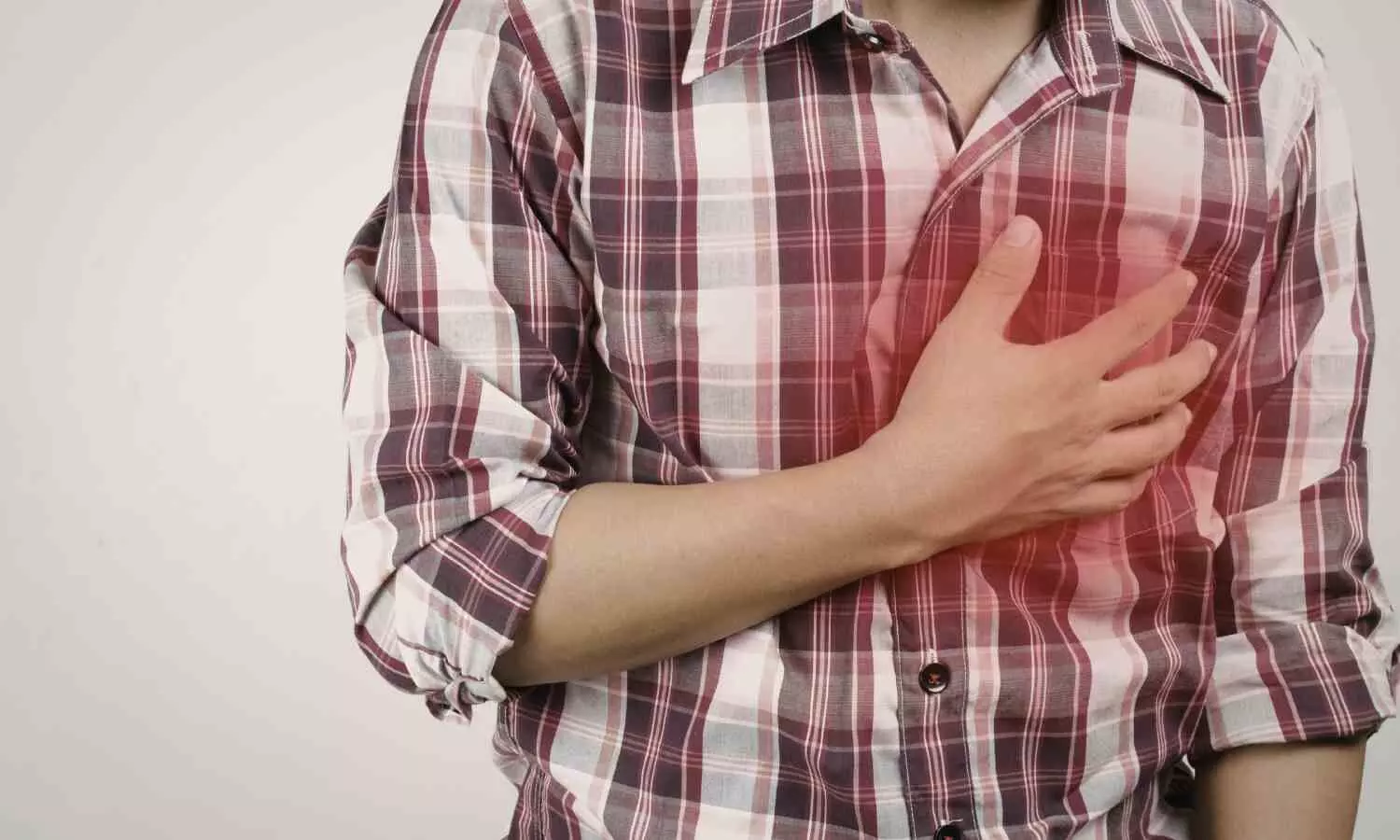
Written By : Dr. Kamal Kant Kohli Published On 2026-10-20T09:00:48+05:30  |  Updated On 20 Oct 2026 9:00 AM IST
Anabolic steroids linked to serious heart damage in weightlifters; stopping them may aid recovery, finds study
  • facebook
  • twitter
  • linkedin
  • whatsapp
  • Telegram
  • Email

Long-term use of anabolic-androgenic steroids (AAS) has serious consequences for the heart, according to a new study that has been following weightlifters for nearly 10 years.

The study, published in European Heart Journal Cardiovascular Imaging, found that men who used anabolic steroids while engaged in strength training had sustained thickening of the heart’s left ventricular wall. In addition, the heart became worse at pumping blood around the body due to the left ventricle being unable to contract enough to push the blood out effectively, or to relax enough between beats to allow the heart to fill with blood again.

Dr Vibeke M. Almaas, a senior consultant at ProCardio Center for Research Based Innovation, Department of Cardiology, Rikshospitalet, Oslo University Hospital, Norway, who led the study, said: “We found that continued use of anabolic steroids among adult and middle-aged male strength athletes, even at lower dosages, was associated with a persistent thickening of the heart muscle, impaired contractions and worsening of the heart’s ability to relax. As many as 17% of those who continued using AAS had severely reduced heart function. However, this could be reversed if the men stopped using anabolic steroids and continued to abstain from them over the long term.”

The findings add to evidence of harm caused by non-medical use of anabolic steroids. It is well-known that users develop a dependence on AAS, and that AAS use is linked to metabolic, hormonal and liver damage. There is growing evidence that it is also linked to adverse effects on several other organs, and that the heart and blood vessels are particularly vulnerable. However, until now there have been few studies that have followed anabolic steroid users for a long time.

“It was still unclear whether the cardiac abnormalities demonstrated in previous studies, including increased heart muscle thickness and reduced cardiac function, progress with continued exposure or whether they improve with dose reduction or after cessation,” said Dr Almaas. “To address this knowledge gap, we conducted a follow-up of our previously published group of male AAS users engaged in recreational strength training.”

Dr Almaas and her colleagues at the Oslo University Hospital invited 101 AAS users and 71 non-users who had taken part in the earlier study between 2017 and 2019 to join the follow-up study. Among those who re-enrolled in the study, 70 were AAS users, and 35 were non-users, who acted as the control group. Among those who had been users in the earlier study, 35 continued to use anabolic steroids, 15 had discontinued using them, 14 maintained abstinence, and six had relapsed.

In self-reported questionnaires and clinical interviews, the participants were asked about their medical history, including information on heart symptoms, cardiac arrest, the presence of coronary artery disease, the time they spent on strength and endurance training, and their use of AAS, including type of AAS, dosages, duration and whether they had discontinued. They also reported the heaviest weight they had lifted successfully at any point during their strength-training history.

The researchers asked about alcohol consumption, smoking and use of illicit drugs. They took blood and urine samples to measure levels of different hormones, and used echocardiography to image the heart.

Although many AAS users reported a reduction in their dosages since the start of the original study, the researchers found that this did not have any beneficial effects on the weightlifters’ hearts. Only stopping anabolic steroids completely and taking medication to treat high blood pressure made a difference.

The 15 men who had stopped using AAS showed a significant reduction in the heart muscle thickness at follow-up compared to when they entered the study (the baseline). This was measured as left ventricle mass indexed for body surface area (LVMI). LVMI reduced from 112 g/m2 to 91 g/m2, a 19% reduction, which matched the LVMI of men in the control group who did not use steroids. Their left ventricle systolic function, measured by ejection fraction (LVEF) – how much blood the left ventricle can pump out – also improved by 13%, correlating to an increase in LVEF from 48% to 54%. However, this did not match the LVEF of men in the control group, who had an LVEF of 60% at follow-up.

AAS users who did not receive medical treatment for high blood pressure had an eight percent deterioration of left ventricle systolic function from baseline to follow-up, whereas those who did receive hypertension treatment had an improvement in LVEF of 11%, but no improvement in heart muscle thickness.

“Discontinuation of AAS use was associated with a reduction in heart muscle thickening and improvements in cardiac function, suggesting that at least some of these adverse effects may be reversible after stopping, and may even become comparable with the non-users in the control group,” said Dr Almaas. “Antihypertensive therapy among ongoing AAS-users was associated with improved LV systolic function.”

Co-author, Dr Astrid Bjørnebekk, head of the Anabolic Androgenic Steroid Research Group at Oslo University Hospital, said: “Our findings underline the importance of continuing both preventive work and harm reduction efforts. Anabolic steroids have been prohibited in competitive sports for decades, and since 2013, non-medical use and possession have also been illegal in Norway. Despite this, national reports indicate continued use of performance- and appearance-enhancing drugs, and increasing interest in them.”

The study has several limitations. These include the small number of participants, not all of whom returned for the follow-up study, which could introduce bias; AAS use was self-reported over the period of the original and follow-up study and so could be subject to recall bias; information on treatment for high blood pressure was only available for the follow-up study; and lifestyle factors, stimulant use, high blood pressure or other health problems may have affected the results.

Reference:

Rang Abdullah, Astrid Bjørnebekk, Ingunn R Hullstein, Per M Thorsby, Thomas Helle-Valle, Thor Edvardsen, Kristina H Haugaa, Vibeke M Almaas, Cardiovascular effects of continued vs. discontinued anabolic–androgenic steroid use: a longitudinal follow-up study, European Heart Journal - Cardiovascular Imaging, 2026;, jeag238, https://doi.org/10.1093/ehjci/jeag238

European Heart Journal Cardiovascular ImagingAnabolic steroidsheart damagecardiovascular diseasehigh blood pressure
Source : European Heart Journal - Cardiovascular Imaging
Dr. Kamal Kant Kohli

Dr Kamal Kant Kohli-MBBS, DTCD- a chest specialist with more than 30 years of practice and a flair for writing clinical articles, Dr Kamal Kant Kohli joined Medical Dialogues as a Chief Editor of Medical News. Besides writing articles, as an editor, he proofreads and verifies all the medical content published on Medical Dialogues including those coming from journals, studies,medical conferences,guidelines etc. Email: drkohli@medicaldialogues.in. Contact no. 011-43720751

Print Article
Show Full Article
Next Story

Editorial

Metformins Effect on Biological Ageing in Prediabetes: New 2026 Indian Study

Metformin's Effect on Biological Ageing in Prediabetes: New 2026 Indian Study

Resting Heart Rate and CV Outcomes in Hypertension: Revisiting the Accessible Clinical Marker

Resting Heart Rate and CV Outcomes in Hypertension: Revisiting the Accessible Clinical Marker

Clinical Perspectives of Fexofenadine and Pseudoephdrine in Indian Allergic Rhinitis Patients - Dr. Sanjay Sachdeva

Clinical Perspectives of Fexofenadine and Pseudoephdrine in Indian Allergic Rhinitis Patients - Dr....

The Case of the Ill-Fated Abandoned Neonate - Dr Pratibha Kane

The Case of the Ill-Fated Abandoned Neonate - Dr Pratibha Kane

Dapagliflozin-Metformin in the Diabetes Care Continuum: When to Consider?- Dr Praveen G

Dapagliflozin-Metformin in the Diabetes Care Continuum: When to Consider?- Dr Praveen G

View All

Journal Club Today

At What Age Does Your Body Start Losing Strength? A 47-Year Study Reveals

At What Age Does Your Body Start Losing Strength? A 47-Year Study Reveals

View All
© 2022 All Rights Reserved.
Powered By: Hocalwire
X
We use cookies for analytics, advertising and to improve our site. You agree to our use of cookies by continuing to use our site. To know more, see our Cookie Policy and Cookie Settings.Ok