
Cardiac MR and NT-proBNP Improve Risk Assessment in Hypertrophic Cardiomyopathy: JAMA
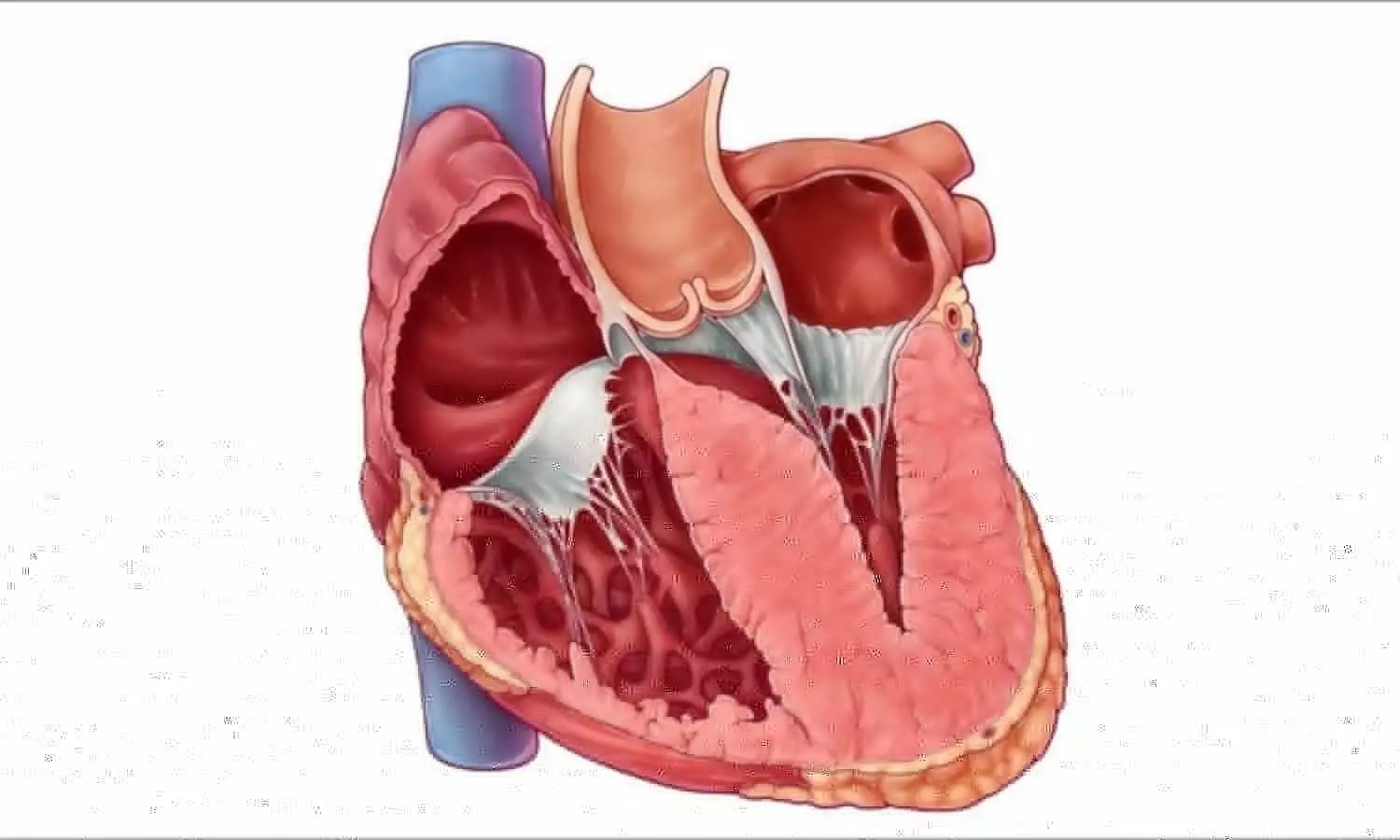


USA: Findings from a large multicenter international registry provide strong prospective evidence supporting the use of cardiac magnetic resonance (CMR) imaging and NT-proBNP for evaluation and risk stratification in patients with hypertrophic cardiomyopathy. The study utilized standardized imaging, genotyping, biomarker assessment, and long-term follow-up, with plans focused on developing and externally validating a comprehensive risk score.
The findings are derived from the NHLBI Hypertrophic Cardiomyopathy Registry and published in JAMA by the HCMR Investigators. The study prospectively examined predictors of adverse outcomes in patients with hypertrophic cardiomyopathy by integrating clinical history, advanced imaging, genetic testing, and circulating biomarkers across multiple international centers.
Hypertrophic cardiomyopathy (HCM) is a genetic cardiac disorder characterized by abnormal thickening of the heart muscle, which can lead to heart failure, arrhythmias, and sudden cardiac death. Current risk stratification tools primarily focus on sudden cardiac death prediction and have notable limitations, often resulting in either missed high-risk patients or unnecessary device implantation.
To address this gap, researchers enrolled 2,750 patients from 44 specialized centers across North America and Europe between 2014 and 2017. After exclusions, 2,698 patients were included in the final analysis. Participants underwent a comprehensive evaluation, including medical history assessment, blood testing for biomarkers and genetic analysis, and contrast-enhanced cardiac MRI. They were followed annually for nearly seven years on average to document clinical outcomes.
The primary composite endpoint included HCM-related death, life-threatening ventricular arrhythmias, and advanced heart failure requiring left ventricular assist device implantation or heart transplantation. Secondary outcomes focused on sudden cardiac death and nonfatal ventricular arrhythmias.
The key findings were as follows:
- Several cardiac magnetic resonance-derived structural measures were strongly associated with worse clinical outcomes in hypertrophic cardiomyopathy.
- Higher left ventricular scar burden, assessed using late gadolinium enhancement, was linked to an increased risk of major adverse cardiac events.
- Increased left ventricular mass index and higher left ventricular end-systolic volume were also associated with a greater risk of adverse outcomes.
- A prior history of heart failure at baseline was an additional independent predictor of poorer prognosis.
- Elevated N-terminal pro–B-type natriuretic peptide, a biomarker of cardiac stress, independently predicted higher risk of adverse events.
- Patients with left ventricular scar burden of 9% or more showed a significantly higher rate of major clinical outcomes.
- For sudden cardiac death and ventricular arrhythmias, a combined assessment of scar extent, ventricular structure and function, and NT-proBNP levels provided strong predictive accuracy.
Overall, the predictive models demonstrated good performance, highlighting the value of integrating imaging and biomarker data in risk assessment.
The authors concluded that CMR-based measures and NT-proBNP significantly enhance current risk stratification approaches in hypertrophic cardiomyopathy. They suggested that incorporating these tools into routine clinical evaluation could improve identification of high-risk patients and support more personalized management strategies.
Reference:
The HCMR Investigators. Predictors of Long-Term Outcomes in Hypertrophic Cardiomyopathy: The NHLBI HCM Registry. JAMA. Published online May 11, 2026. doi:10.1001/jama.2026.5633

Next Story