CBD Shows Promise in Recurrent Pericarditis, suggests study
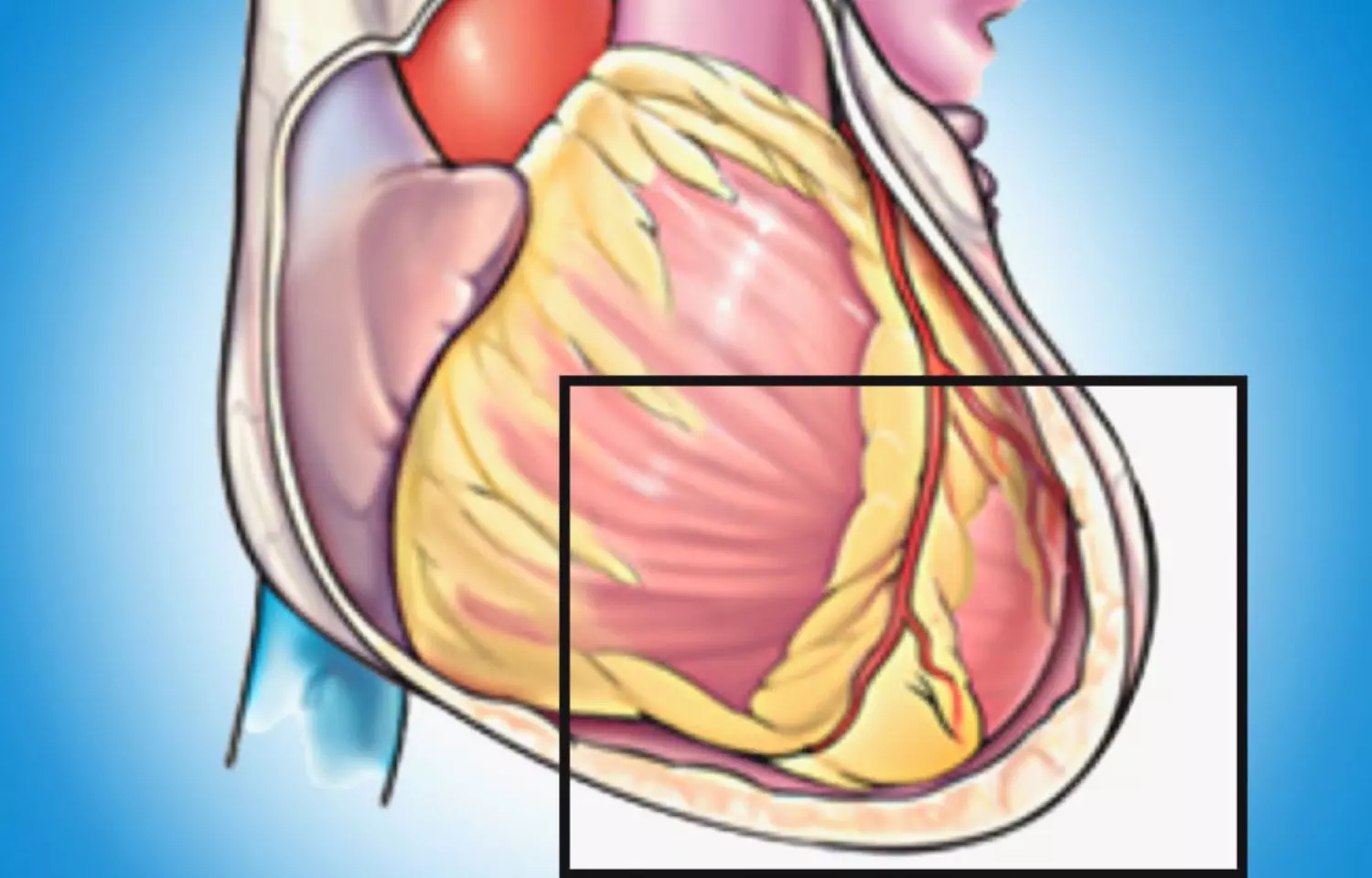


Researchers have found in new research that a pharmaceutically manufactured, THC-free cannabidiol (CBD) product taken orally twice daily was associated with reduced chest pain and lower inflammatory markers in patients with recurrent pericarditis. The findings, published in the Journal of the American Heart Association, suggest CBD may have potential as an adjunctive treatment for recurrent pericarditis. The study was published by Sushil A. and colleagues.
The therapeutic results of cannabidiol in primary and secondary endpoints of therapy were evaluated by means of the prospective, open-label, and multicentric Phase 2 study of adult subjects with recurrent pericarditis that was actively developing at the moment of examination. The subjects participating in the study fulfilled the diagnostic criteria of the condition – pericarditis chest pain with severity of 4 or more on the 11-point numerical rating scale (NRS) with elevation of the C-reactive protein level (≥ 1 mg/dL) or pericardial inflammation on cardiac magnetic resonance (CMR) imaging.
In the baseline state, all patients were receiving background therapies using non-steroidal anti-inflammatory drugs (NSAIDs), colchicine, corticosteroids, or combinations thereof. Cannabidiol was administered to the patients orally during 8-week core treatment period followed by optional 18-week extension period aimed at the evaluation of the flare rate with gradual tapering and discontinuation of the background anti-inflammatory agents.
Key findings:
- At trial enrollment, the mean maximal NRS chest pain score across all 27 patients was 5.8 ± 1.7, and 10 patients exhibited systemic baseline CRP elevation (≥1 mg/dL).
- By Week 8 of oral cannabidiol therapy, the maximal NRS pain score decreased significantly to 2.1 ± 1.8.
- Patients achieved rapid pain relief, exhibiting a median time of just 5 days to reach mild pain levels (NRS score ≤ 2).
- Among the 10 patients presenting with elevated baseline CRP, 8 patients (80%) achieved full CRP normalization by Week 8.
- During the 18-week extension phase involving background medication tapering, 17 out of 24 patients (71%) remained entirely free of pericarditis recurrences.
- Treatment was generally well-tolerated, with only 1 patient experiencing a serious adverse event that led to cannabidiol discontinuation.
Orally delivered, pharmaceutically produced cannabidiol is a safe and efficient drug in the reduction of pain from pericarditis and the systemic level of C-reactive proteins in patients suffering from active recurrent pericarditis. An 80% normalization of CRP levels and keeping 71% of the patient’s flare-free during reduction of the underlying therapy drugs proves that the inhibition of the NLRP3 inflammasome pathway could be an efficient therapy method. This clinical data provides a strong basis for future Phase 3 randomized trials.
Reference:
Luis, S. A., Klein, A. L., Cremer, P. C., Abbate, A., Salik, J. R., Thomas, G. K., Haider, S. W., Hagerty, T. E., Lin, D., Waggoner, T. E., Nicholls, S. J., Kirwan, B. A., Narine, K. A. D., Parker, A. B., & Hamer, A. (2026). Efficacy and Safety of Pharmaceutically Manufactured Cannabidiol in Recurrent Pericarditis: A Phase II Clinical Trial. Journal of the American Heart Association, 15(14). https://doi.org/10.1161/jaha.125.047605