
COX-2 Selective NSAIDs May Lower GI Bleeding Risk in non valvular AF Patients on DOACs: JAMA
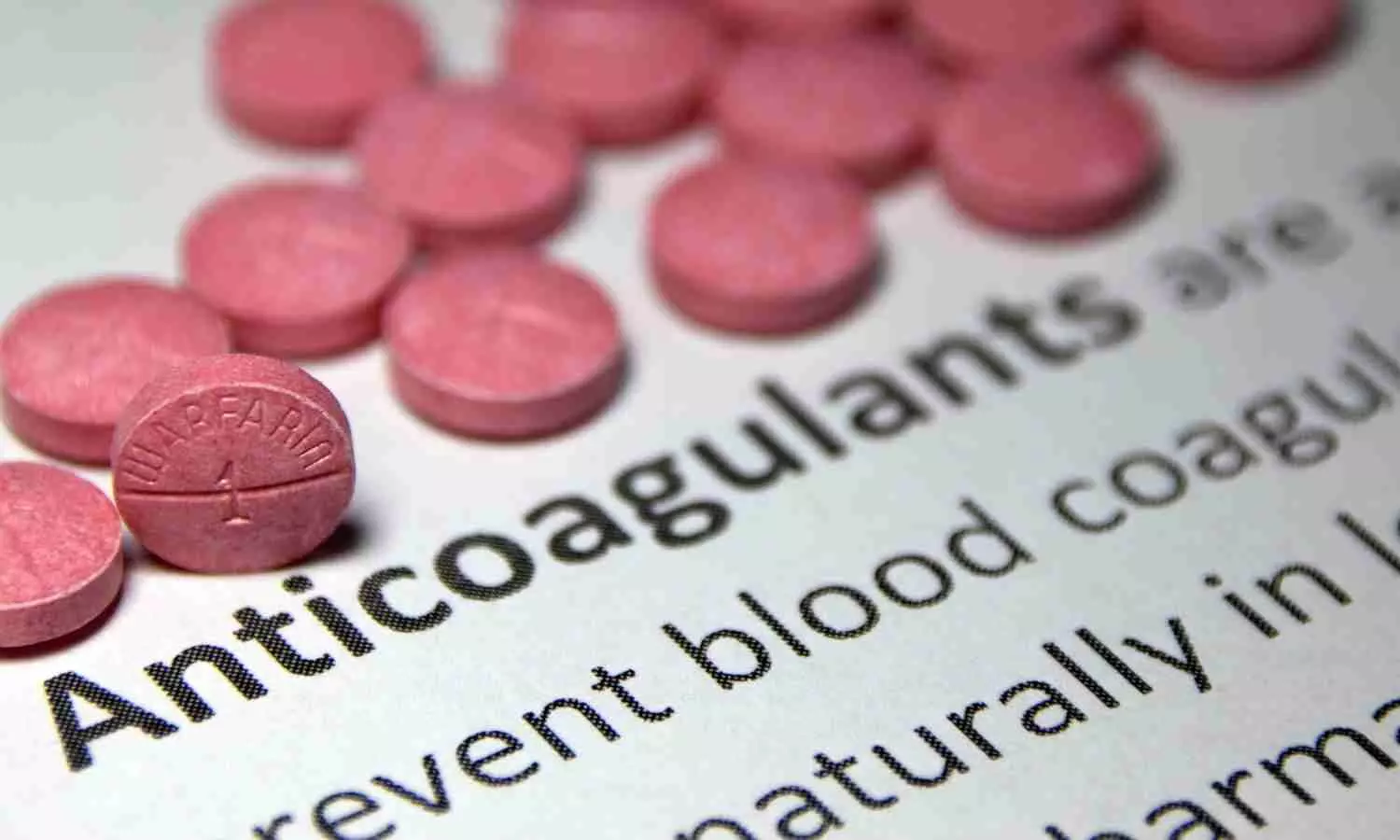


A cohort study published in the Journal of the American Medical Association found that among patients with nonvalvular atrial fibrillation (NVAF) receiving direct oral anticoagulants (DOACs), COX-2–selective nonsteroidal anti-inflammatory drugs (NSAIDs) appeared to maintain their advantage over nonselective NSAIDs in reducing the risk of gastrointestinal bleeding.
The findings suggest that COX-2 selectivity may offer a safer gastrointestinal profile when NSAIDs are used concurrently with DOAC therapy. This study noted that further studies are needed to confirm these results and to evaluate whether COX-2 selectivity also influences stroke risk in patients treated with DOACs.
Patients with NVAF are commonly prescribed DOACs to prevent stroke and other thromboembolic events. However, when these patients require NSAIDs for pain or inflammation, the combination can increase the risk of bleeding, particularly in the gastrointestinal (GI) tract.
COX-2–selective NSAIDs have long been associated with lower rates of GI bleeding when compared to traditional nonselective NSAIDs, and it has remained uncertain whether this protective effect persists when combined with anticoagulant therapy.
Thus, this multinational cohort study using electronic medical records from the UK and health claims data from Quebec, Canada. The study included adult patients with NVAF who initiated concurrent treatment with a DOAC and an NSAID between January 2011 and December 2020. The patients from the start of combined therapy until the occurrence of a study outcome, death, treatment discontinuation, or a switch in medication were included.
The analysis included 30,240 patients (57% men), with an average age of 72 years. These individuals contributed 37,833 episodes of concomitant DOAC and NSAID use. Approximately 45% of the treatment episodes involved COX-2–selective NSAIDs, while nearly 55% involved nonselective NSAIDs.
When compared to nonselective NSAIDs, the selective agents were associated with a 37% lower risk of gastrointestinal bleeding and a 46% lower risk of non-gastrointestinal bleeding. These results suggest that the bleeding-sparing benefits traditionally linked to COX-2 selectivity remain strong even when patients are receiving anticoagulant therapy.
Female patients experienced a greater reduction in GI bleeding risk when treated with COX-2–selective NSAIDs, whereas the benefit was less pronounced among the male patients.
Given the widespread use of both drug classes, these findings could help inform prescribing decisions and potentially reduce bleeding-related complications. Overall, the findings of this study emphasize that COX-2–selective NSAIDs may represent a safer anti-inflammatory option for patients with NVAF who require concurrent anticoagulation therapy.
Source:
Meinert, F. M., Dimakos, J., Cui, Y., Filion, K. B., Renoux, C., & Douros, A. (2026). Direct oral anticoagulants, COX-2-selective NSAIDs, and gastrointestinal bleeding in atrial fibrillation. JAMA Network Open, 9(5), e2613941. https://doi.org/10.1001/jamanetworkopen.2026.13941

