Exercise Testing may Help identify patients needing prompt treatment in Asymptomatic Severe AS: JAMA
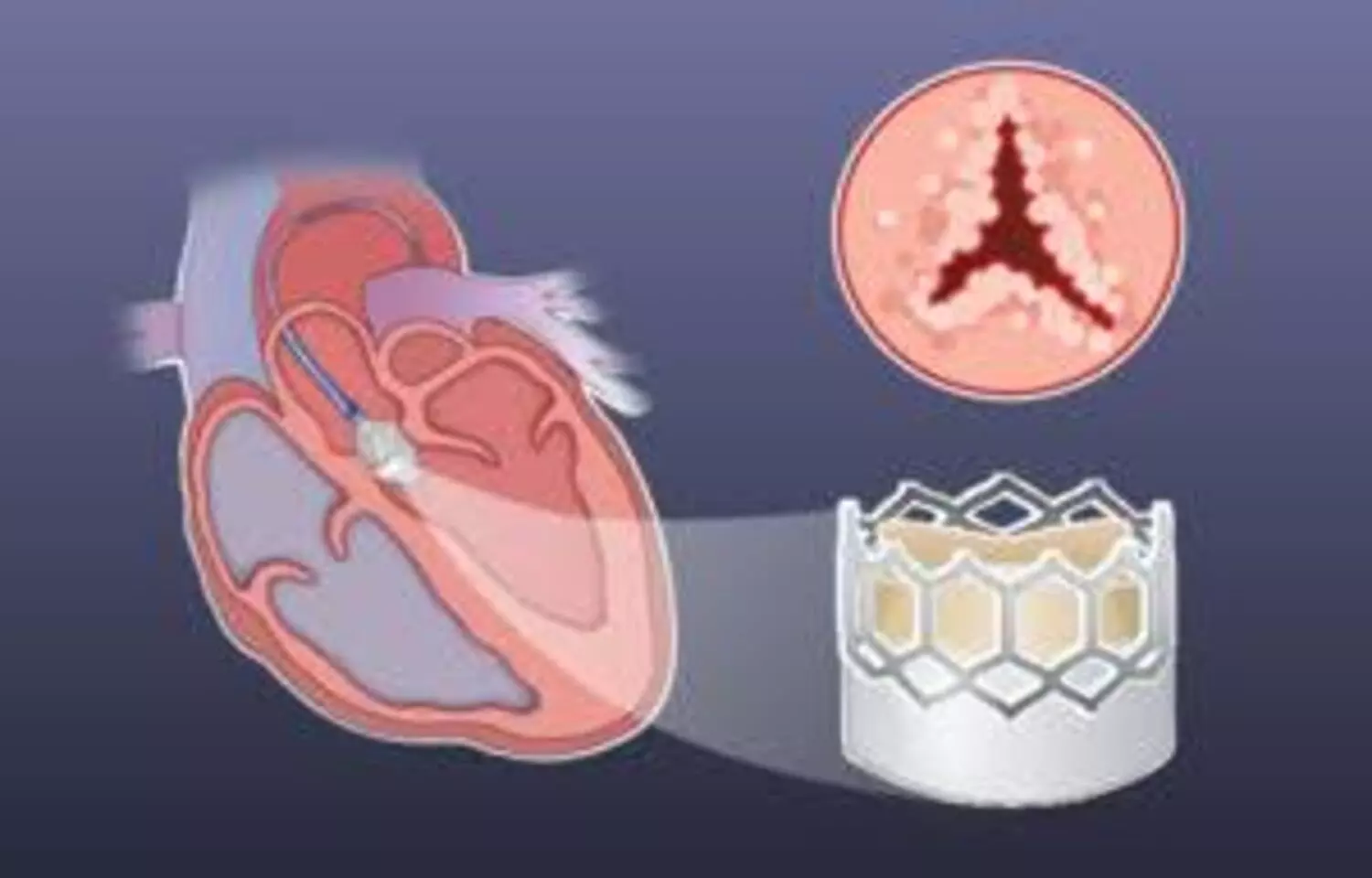


Researchers have found in a new research that Treadmill stress testing (TST) was safe in patients with asymptomatic severe aortic stenosis and revealed symptoms or indications for aortic valve replacement (AVR) in approximately 15% of patients. However, 20% of those identified as needing prompt treatment remained untreated after 1 year, emphasizing on the importance of timely recognition, referral, and intervention for patients who develop symptoms or meet AVR criteria.
In patients with asymptomatic severe aortic stenosis (AS), exercise stress testing is recommended to unmask symptoms and guide the timing of intervention, yet it is infrequently used in clinical practice. This registry-based follow-up of the Evaluation of TAVR Compared to Surveillance for Patients With Asymptomatic Severe Aortic Stenosis (EARLY TAVR) trial evaluates how treadmill stress testing (TST), used during screening for EARLY TAVR to confirm asymptomatic status, informed subsequent aortic valve replacement and clinical outcomes.
A study was done to evaluate clinical outcomes in patients with asymptomatic severe AS and a positive TST result and to identify predictors of a positive TST result. This prespecified TST registry of the EARLY TAVR trial involved 75 clinical sites across the US. Between July 2017 and December 2021, apparently asymptomatic patients with severe AS underwent standardized TST. Those with normal TST results were randomized to transcatheter aortic valve replacement or clinical surveillance, whereas those with positive TST results were invited to enroll in a prospective registry and were followed up with through 2 years. Of 1250 patients screened, 962 met trial criteria. Of these, 816 (84.8%) had a normal TST result and 146 (15.2%) had a positive TST result. Of these, 105 consented to enroll in the EARLY TAVR Treadmill Registry. Data were analyzed from August 2025 to January 2026.
Of the 105 patients included in the present analysis, the mean (SD) age was 76.1 (6.5) years, and 80 participants (76.2%) were male. TST was found to be safe, with no reported deaths, syncope, or cardioversions. Multivariable baseline predictors of a positive TST included higher peak velocity, lower ejection fraction, prior coronary artery bypass, and prior stroke. The 2-year Kaplan-Meier rate for all-cause mortality was 5.7%. Among patients with positive TST results, the rates of AVR at 1 and 2 years were 79.9% and 85.9%, respectively. Rates of mortality and AVR were similar for patients who had a class I indication for AVR (symptoms during testing) and those with a class IIa indication (drop in systolic blood pressure).
In patients with asymptomatic severe AS, TST was found to be safe and identified symptoms and AVR indication in approximately 15% of patients. However, 20% of those patients remained untreated at 1 year, despite having an indication for prompt treatment.
Reference:
Généreux P, Schwartz A, Lindman BR, et al. Treadmill Stress Test in Patients With Asymptomatic Severe Aortic Stenosis: A Prespecified Registry-Based Follow-Up of the EARLY TAVR Randomized Clinical Trial. JAMA Cardiol. Published online July 22, 2026. doi:10.1001/jamacardio.2026.2527
Keywords:
Exercise, Testing, Help, identify, patients, needing, prompt, treatment, Asymptomatic Severe, AS, JAMA, Généreux P, Schwartz A, Lindman BR