
GLP-1 drugs like Ozempic could cut risk of major heart complications after heart attack, study finds
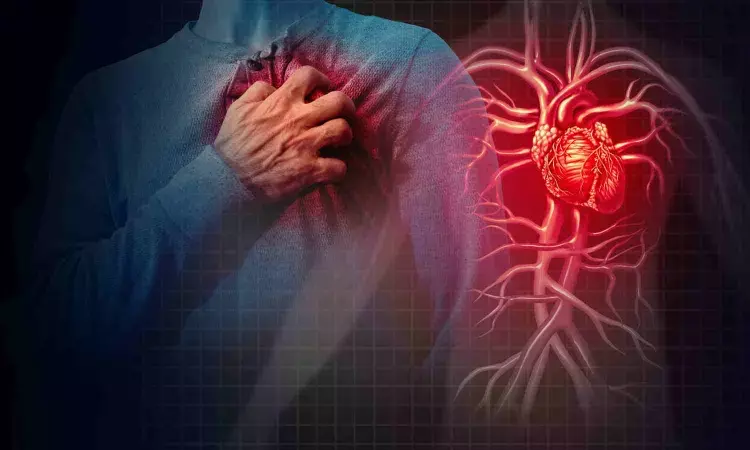


Weight-loss (GLP-1 mimicking) drugs may help prevent further tissue damage following a heart attack, significantly reducing the risk of further life-threatening complications that affect up to half of all patients, according to a new study led by the University of Bristol and University College London (UCL).
Published in Nature Communications, the research suggests that GLP-1 weight-loss drugs could offer a promising new therapeutic approach for improving heart attack recovery.
Previous studies have shown that GLP-1 weight-loss drugs can lower the risk of serious heart problems, regardless of a person's other health conditions or the amount of weight lost.
In this study, researchers wanted to understand the mechanisms underpinning how these drugs support heart health. Building on their previous work showing that small contractile cells called pericytes constrict coronary capillaries at the onset of ischaemia, when the heart isn’t receiving enough oxygen-rich blood, the team investigated how GLP-1 might reverse these blockages.
Dr Svetlana Mastitskaya, Senior Lecturer in Cardiovascular Regenerative Medicine at Bristol Medical School: Translational Health Sciences (THS) and the study’s lead author, explained: “In nearly half of all heart attack patients, tiny blood vessels within the heart muscle remain narrowed, even after the main artery is cleared during emergency medical treatment. This results in a complication known as ‘no-reflow,’ where blood is unable to reach certain parts of the heart tissue.
"Our previous research has shown that this narrowing of blood vessels contributes significantly to ‘no-reflow,’ a complication that increases the risk of death or hospital admission for heart failure within a year of a heart attack. But our latest findings are surprising in that we have found GLP-1 drugs may prevent this problem."
Using animal models, the team discovered that GLP-1 drugs improve blood flow to the heart following a heart attack by activating potassium channels and thus relaxing pericytes. This allows constricted blood vessels to dilate and reduces the risk of further damage to the heart.
Professor David Attwell, Jodrell Professor of Physiology at UCL, and the study’s co-lead, added: “With an increasing number of similar GLP-1 drugs now being used in clinical practice, for conditions ranging from type 2 diabetes and obesity to kidney disease, our findings highlight the potential for these existing drugs to be repurposed to treat the risk of ‘no-reflow’ in heart attack patients, offering a potentially life-saving solution.”
Reference:
Mastitskaya, S., de Freitas, F.S.S., Evans, L.E. et al. GLP-1 activates KATP channels in coronary pericytes as the effector of brain-gut-heart signalling mediating cardioprotection. Nat Commun (2026). https://doi.org/10.1038/s41467-026-69555-1
