
Lower Baseline LDL Levels Linked to Higher Type 2 Diabetes Risk: Study
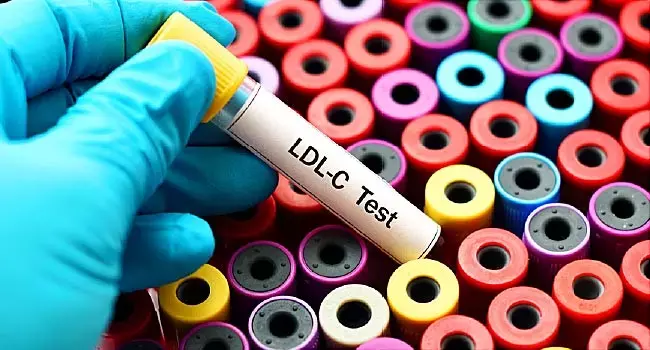


A new study published in the journal of BMC Cardiovascular Diabetes showed that individuals with lower baseline low-density lipoprotein cholesterol (LDL-C) had a higher risk of developing type 2 diabetes over nearly 6 years of follow-up, independent of statin use. However, the study did not explore underlying mechanisms, genetic factors, or lifestyle influences.
Although statins are known to slightly increase the risk of diabetes, this association seems to go beyond the effects of the medication. Individuals with naturally low LDL may have underlying metabolic pathways that impact insulin secretion or sensitivity, making them more susceptible to dysglycemia over time.
Comprehending these mechanisms can enhance risk assessment, direct personalized preventive measures, and extend the understanding of how total metabolic health is reflected in cholesterol levels. In a sizable population-based cohort, this study examined the association between incident T2D and LDL-C plasma concentrations and assessed the modifying effect of statin therapy.
In this trial, people without cardiovascular disease or type 2 diabetes at baseline were monitored over time to see if they developed new-onset T2D. The relationships between LDL-C levels and statin medication and T2D risk were assessed using Cox proportional hazards models. This study chose 13,674 patients without T2D or cardiovascular illness (of whom 52% were taking statins) from a population of 202,545 people.
These participants were monitored for a median of 71.6 months (IQR 34.5–149.9), during which time 1,819 (13%) experienced incident T2D. LDL-C plasma levels and incidence T2D were significantly inversely correlated (p<0.001), according to Cox multiple regression analysis. They found that patients with LDL-C < 84 mg/dL had the highest risk of acquiring type 2 diabetes when stratified LDL-C into quartiles: low (< 84 mg/dL), medium (≥ 84 to < 107 mg/dL), high (≥ 107 to < 131 mg/dL), and very high (≥ 131 mg/dL).
Only the very high LDL-C group showed a significant interaction between statin therapy and T2D incidence, with statin users having a higher risk than non-users (p = 0.018); statin medication did not substantially alter the link between LDL-C and T2D risk in the other three LDL-C categories. Overall, these results demonstrate that the risk of type T2D in the general population is negatively correlated with lower plasma LDL-C values.
Reference:
Lembo, M., Trimarco, V., Pacella, D., Izzo, R., Jankauskas, S. S., Piccinocchi, R., Gallo, P., Bardi, L., Piccinocchi, G., Morisco, C., Cristiano, S., Esposito, G., Giugliano, G., Manzi, M. V., Santulli, G., & Trimarco, B. (2025). A six-year longitudinal study identifies a statin-independent association between low LDL-cholesterol and risk of type 2 diabetes. Cardiovascular Diabetology, 24(1), 429. https://doi.org/10.1186/s12933-025-02964-6

