Memantine Reduces Atrial Arrhythmia Burden in Phase II Trial
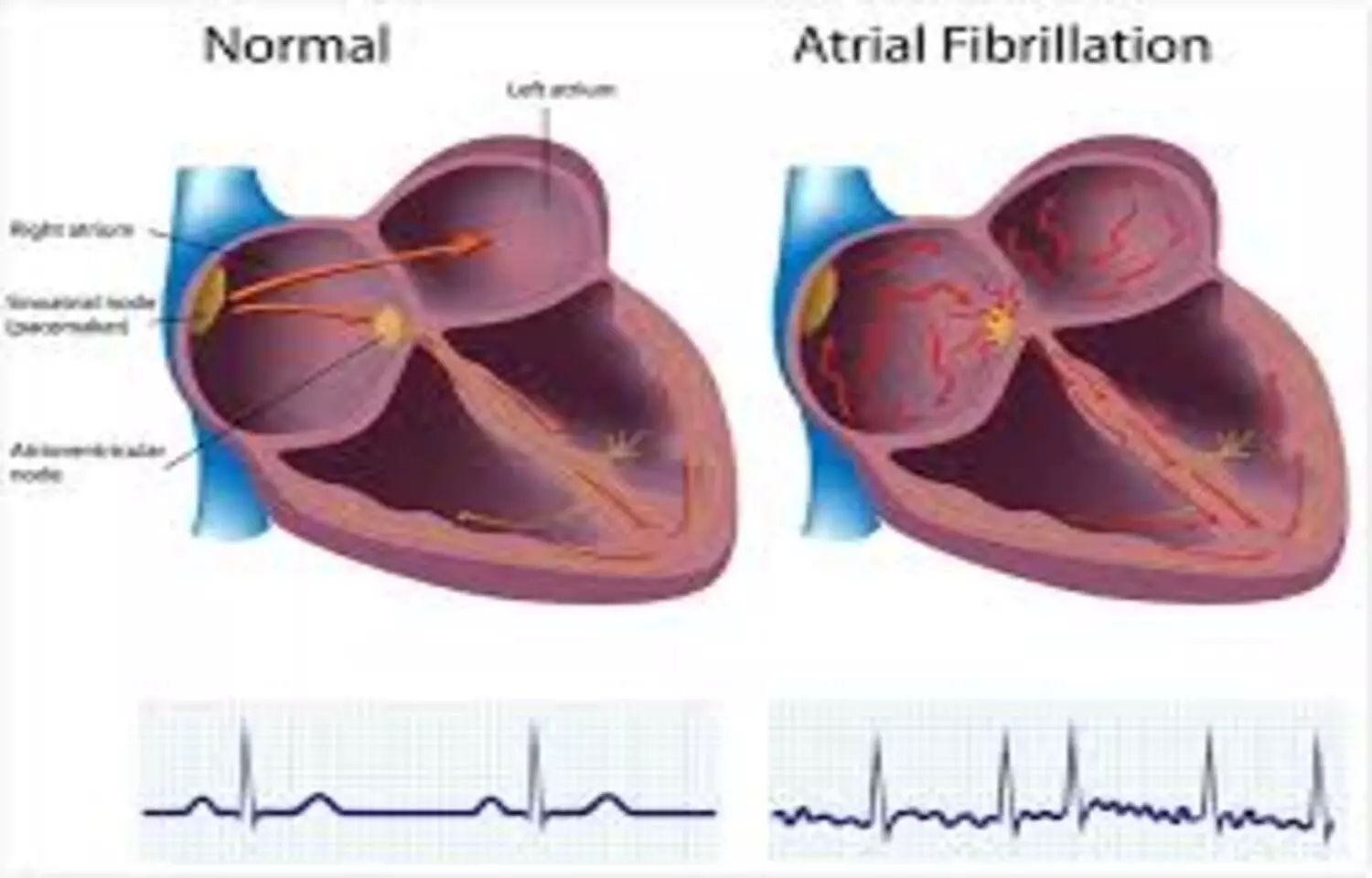


Memantine has demonstrated efficacy in suppressing premature atrial contractions in a phase II trial. The study showed a reduction in both atrial ectopy and overall atrial tachyarrhythmia burden, suggesting potential therapeutic value in managing atrial rhythm disorders.
Premature atrial contractions (PACs) are independently associated with atrial fibrillation, stroke, and heart failure, yet no pharmacological therapy is approved for PAC suppression. Experimental studies have identified a functional cardiac glutamatergic system in which N-methyl-D-aspartate receptors regulate atrial electrophysiology. Preclinical studies show that pharmacological antagonism of N-methyl-D-aspartate receptors with memantine suppresses atrial arrhythmias. They conducted an investigator-initiated, phase 2, multicenter, randomized, double-blind, placebo-controlled trial. Symptomatic adults with frequent PACs (≥1000/24 h) were randomly assigned to receive memantine or placebo for 6 weeks. The primary end point was the percentage change in mean 24-hour PAC count from baseline to the end of treatment. The primary analysis was performed in the intention-to-treat population. Prespecified secondary end points included the responder rate (≥50% PAC reduction), percentage change in nonsustained atrial tachycardia burden, and cumulative incidence of new-onset atrial fibrillation.
Among 241 patients included in the efficacy analysis, memantine resulted in a greater reduction in PAC count than placebo (between-group difference, 47.1 percentage points; P=0.0045). The responder rate was higher with memantine than with placebo (52.4% versus 23.1%; P<0.0001). Memantine also reduced nonsustained atrial tachycardia burden (between-group difference, 30.98 percentage points; P=0.0043) and was associated with a lower cumulative incidence of new-onset atrial fibrillation (4.8% versus 23.9%; P<0.0001). No clinically meaningful differences were observed in electrocardiographic intervals or left ventricular function, and no drug-related serious adverse events occurred.
In patients with frequent symptomatic PACs, memantine reduced atrial ectopy and atrial tachyarrhythmia burden and demonstrated a favorable safety profile. These findings provide proof of concept for a novel, non–ion channel–based therapeutic strategy targeting the cardiac glutamatergic system.
Reference:
Shen, Y., Zeng, C., Sun, Y., Wang, J., Yu, B., Cheng, X., Guo, X., Wang, D. W., Li, Y., Han, W., Zhou, B., Sheng, H., Huang, Z., Li, Y., Fu, G., Zhang, J., Xie, D., Liang, D., Liu, Y., Yang, B., Zhang, Q., Duan, R., Li, H., Zhang, B., Wu, Y., Zheng, L., He, J., Liu, S., Yin, D., Sun, G., Zhang, S., Guo, X., Zhang, M., Wang, Y., Hu, X., Zeng, J., Yang, X., Li, S., Li, N., Hu, F., Wang, H., Hu, X., Wang, Y., Zeng, C., Wang, K., Yang, J., Wang, Y., Lai, J., Wang, L., Xiong, K., Wang, G., Zou, Q., Shao, B., Chen, Z., Wu, Y., Leng, J., Pu, J., Ma, C., & Chen, Y.-H. (2026). Memantine for premature atrial contractions: A phase 2 randomized clinical trial. Circulation. https://doi.org/10.1161/CIRCULATIONAHA.125.079023
Keywords:
Memantine, Reduces, Atrial Arrhythmia, Burden, Phase II Trial, Shen, Y., Zeng, C., Sun, Y., Wang, J., Yu, B., Cheng, X., Guo, X., Wang, D. W., Li, Y., Han, W., Zhou, B., Sheng, H., Huang, Z., Li, Y., Fu, G., Zhang, J., Xie, D., Liang, D., Liu, Y., Yang, B., Zhang, Q., Duan, R., Li, H., Zhang, B., Wu, Y., Zheng, L., He, J., Liu, S., Yin, D., Sun, G., Zhang, S., Guo, X., Zhang, M., Wang, Y., Hu, X., Zeng, J., Yang, X., Li, S., Li, N., Hu, F., Wang, H., Hu, X., Wang, Y., Zeng, C., Wang, K., Yang, J., Wang, Y., Lai, J., Wang, L., Xiong, K., Wang, G